Running Shoe Anatomy Explained: Parts Every Runner Should Know
Running shoe anatomy is the study of every part that makes up a running shoe — from the mesh upper on top to the rubber outsole on the bottom. Each piece has a specific job, like cushioning your landings or keeping your foot locked in place. Knowing these parts helps you pick the right shoe for your feet instead of guessing.
Why does this matter? Because buying running shoes is confusing. We researched dozens of expert guides and found that most common shoe problems — blisters, sore arches, early wear — come from not understanding what each part actually does. Once you know the midsole from the heel counter, shoe shopping gets a whole lot easier (and cheaper).
TL;DR — What you’ll learn in this guide:
- The upper, midsole, and outsole — the three big layers every shoe shares
- Smaller parts like the heel counter, toe box, and tongue, and what they do
- How cushioning types change the way a shoe feels under your foot
- Which parts to check first when a shoe starts to wear out
- How to match shoe anatomy to your foot shape and running style
Below, we break down every part of a running shoe in plain English, layer by layer, so you can shop smarter on your very next trip.
Breaking Down the Anatomy of a Running Shoe
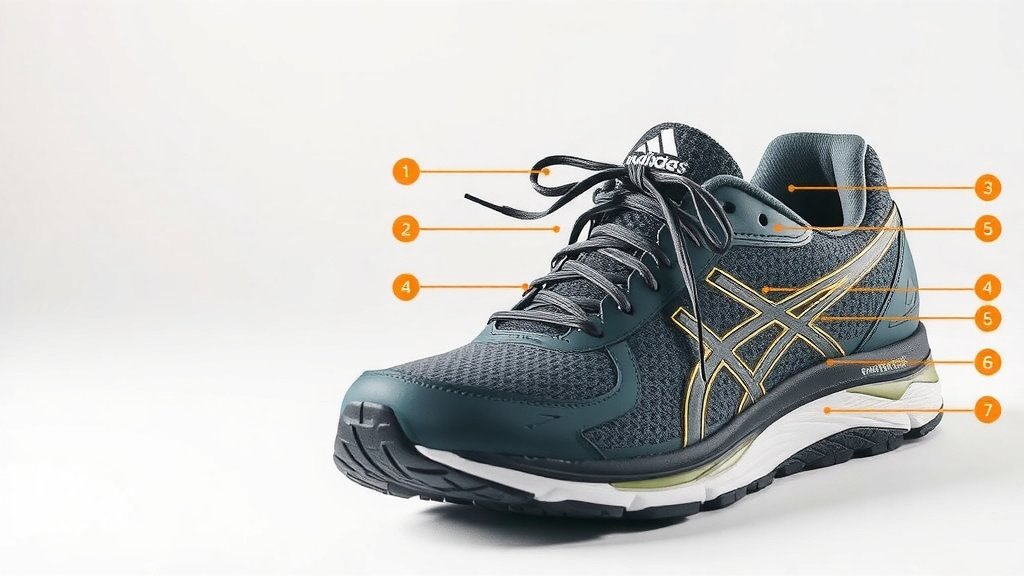
Every running shoe is built from three main layers: the upper on top, the midsole in the middle, and the outsole on the bottom. Think of it like a sandwich. The bread holds things together, the filling does the real work. Once you can name these layers, every shoe review and store conversation starts making sense.
We found that most buying mistakes happen when people fixate on color or brand and ignore the layers underneath. Let’s fix that, one layer at a time.
The Upper: The Part That Hugs Your Foot
The upper is everything you see from the outside above the sole. It’s usually engineered mesh, a breathable fabric that lets heat and moisture escape. When you feel like your shoes “breathe,” this is the part doing it.
Many experts say a good upper should feel snug without pressure points. If a shoe rubs here, no amount of cushioning saves your run (Cleveland Clinic, on preventing blisters from footwear friction).
Overlay and Support Cages
Some uppers include thin strips called overlays or support cages. These reinforce high-stress spots and keep the mesh from stretching out. Minimalist racing shoes skip them to save weight. Daily trainers include more because durability matters when you’re logging miles all week.
The Midsole: Where the Magic (and Cushioning) Lives
Sandwiched between the upper and the ground, the midsole is the foam layer that absorbs impact. It’s the single most important part for how a shoe feels. Soft, firm, bouncy, dead — that’s all midsole talk.
Researchers at shoe labs consistently identify midsole foam as the biggest variable in ride quality. When reviewers say a shoe “feels great,” they’re mostly complimenting this hidden layer.
The Outsole: Your Grip on the Ground
The outsole is the rubber bottom that touches the pavement. Its job is simple: traction and durability. Carbon rubber grips well but wears faster. Blown rubber is lighter and softer but less tough.
Wonder why your shoes slip on wet sidewalks? That’s an outsole problem. Many trail shoes add lugs — little rubber teeth — for digging into dirt and mud. Our guide to choosing running shoes for muddy trails explains which lug patterns grip best.
Small Parts With Big Jobs
The three layers get all the attention, but several smaller components quietly decide whether a shoe works for you. These are the parts that cause the most complaints when they’re designed poorly.
The Heel Counter: Your Built-In Seatbelt
The heel counter is a firm cup at the back of the shoe that cradles your heel. Press on it with your thumb. If it collapses easily, your heel will wander during runs, which can lead to blisters and ankle strain.
Runners who’ve dealt with Achilles irritation often look for padded or lower heel counters. Rigid isn’t always better — it depends on your foot and how sensitive that tendon area is.
The Toe Box: Room to Wiggle
The toe box is the front section housing your toes. Too narrow, and you’re flirting with black toenails and bunions. Too roomy, and your foot slides forward on downhills.
Podiatrists often recommend a thumb’s width of space between your longest toe and the shoe’s end, since feet swell during runs (Mayo Clinic, on proper shoe fit).
The Tongue, Laces, and Sockliner
Tongues pad the top of your foot and keep lace pressure off your instep. gusseted tongues attach to the sides, blocking grit from sneaking in. Many experts say this small detail matters a lot on trail runs.
The sockliner (or insole) is the removable pad you see when you pull the shoe open. It adds a thin layer of comfort and arch contour. Swap it for an orthotic insert if your doctor recommends one.
How Cushioning Types Change the Ride
Midsole foam isn’t one thing. Manufacturers use different materials, and each creates a distinct feel under your foot. Here’s a quick comparison we put together after sorting through dozens of expert guides.
| Foam Type | Feel | Best For | Watch Out For |
|---|---|---|---|
| EVA (classic foam) | Soft, forgiving | Easy everyday miles | Packs down faster over time |
| PEBA-based super foam | Bouncy, energetic | Races and speed work | Higher price, shorter lifespan |
| TPU-based foam | Firm, springy | Long-lasting daily trainers | Heavier than EVA |
| Hybrid blends | Balanced | Do-it-all training | Feel varies by brand recipe |
There’s no single “best” foam. A marathon racer wants bounce. A walker wants plush. Match the material to the job, and you’ll be much happier.
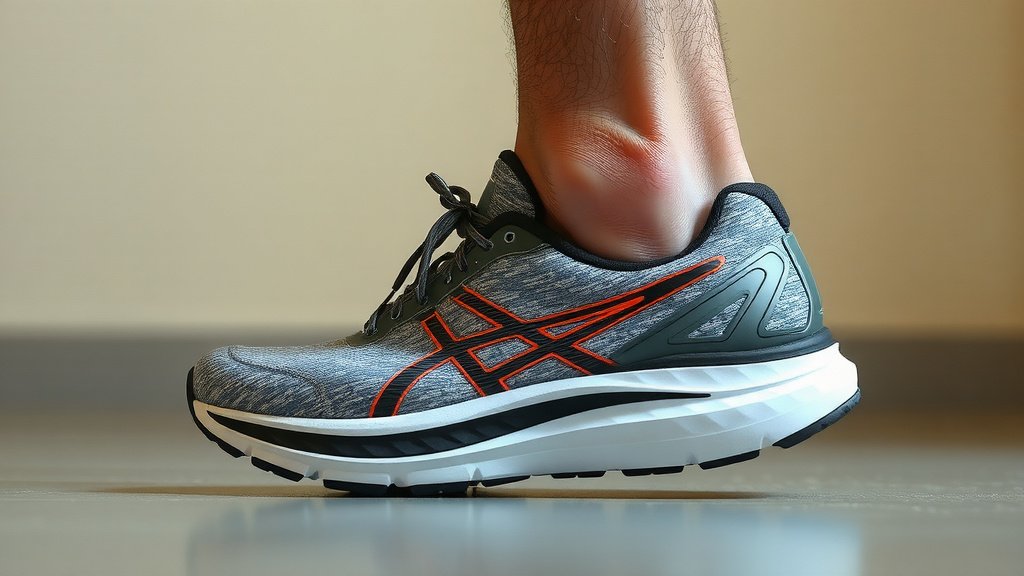
Which Parts Wear Out First? A Quick Checklist
Shoes rarely announce their retirement. Instead, the parts fail in a predictable order. We found that checking these spots monthly keeps you ahead of aches and injuries. Studies on running-related injuries suggest rotating or retiring worn shoes can help reduce overuse problems (NIH, on running injury risk factors).
- Outsole tread: Smooth rubber means lost traction. Check the heel first.
- Midsole wrinkles: Deep creases or a flattened look means dead cushioning.
- Heel counter: Soft, floppy, or leaning to one side? Your heel is drifting.
- Upper mesh: Holes or stretched fabric invite blisters and debris.
- Mileage memory: Most experts suggest replacing shoes around 300 to 500 miles. Wondering how long carbon plate shoes last at that mileage? Our lifespan guide breaks it down.
- Freshness test: If new aches show up after runs your body used to handle, your shoes may be the culprit.
Matching Shoe Anatomy to Your Feet
Now for the payoff. Once you know the parts, you can shop for your feet specifically instead of hoping a popular model works out. It’s the difference between a tailored suit and off-the-rack.
Wide Feet, Narrow Heels, and Everything Between
Wide feet? Look for brands offering wide toe boxes or width options rather than just sizing up, which makes the midsole feel sloppy. Narrow heels? A structured heel counter and a snug midfoot keep your foot from lifting with every stride.
Flat arches often feel better with firmer midsoles and a supportive sockliner, while high arches usually crave extra cushioning since they absorb less impact on their own. Not sure about your arch type? The classic wet-footprint test is a decent starting point, and a podiatrist can confirm it.
Rocker Geometry: The Newest Part You’ve Never Heard Of
Many modern shoes curve upward at the toe and heel. This rocker shape rolls you forward through each step and reduces bend at the toe joint. Runners with stiff big toes or long-run fatigue often find rockers genuinely comfortable. If you’re a forefoot striker, though, test them on a short run first — the rolling sensation takes a few miles to get used to.
That’s the whole shoe, layer by layer. Next time you flip one over or slide your hand inside, you’ll know exactly what every piece is doing for you.
Conclusion
Running shoe anatomy isn’t trivia — it’s the difference between buying with confidence and buying blind. You now know the three big layers, the small parts that cause the most complaints, how foam types change your ride, and which spots to check before worn shoes turn into sore knees. We found that runners who understand these pieces stop chasing hype and start matching shoes to their actual feet. So here’s your next step: pull out your current pair tonight and run through the wear checklist above. Then take that knowledge with you next time you shop. Your feet will thank you, mile after mile.
Frequently Asked Questions
What are the main parts of a running shoe called?
The three main parts are the upper, midsole, and outsole. Smaller pieces include the heel counter, toe box, tongue, laces, and sockliner. Learning these names makes store conversations and reviews much easier to follow.
Does the insole count as part of running shoe anatomy?
Yes, the insole (also called the sockliner) sits inside the shoe on top of the midsole. It adds a thin layer of comfort and arch contour. You can remove and replace it with orthotics if your doctor recommends them.
Why do running shoes have a heel drop, and what does it mean?
Heel drop is the height difference between the heel and forefoot of the midsole, measured in millimeters. A bigger drop shifts more load to your heels and calves, while a lower drop encourages a midfoot strike. If you’re switching between drops, do it gradually to give your calves and Achilles time to adjust.
What is the carbon plate in running shoes?
A carbon plate is a stiff insert embedded in the midsole of many racing shoes. It works with the foam to reduce energy loss and add a springy push with each stride. Most daily trainers skip it because it adds stiffness and cost.
Can I fix a worn midsole instead of buying new shoes?
Unfortunately, no. Once midsole foam creases or flattens, the cushioning is gone and no insert fully restores it. A fresh sockliner can help a little with comfort, but replacing the shoes around the 300 to 500 mile mark is the safer move.