Wide Toe Box Running Shoes Explained
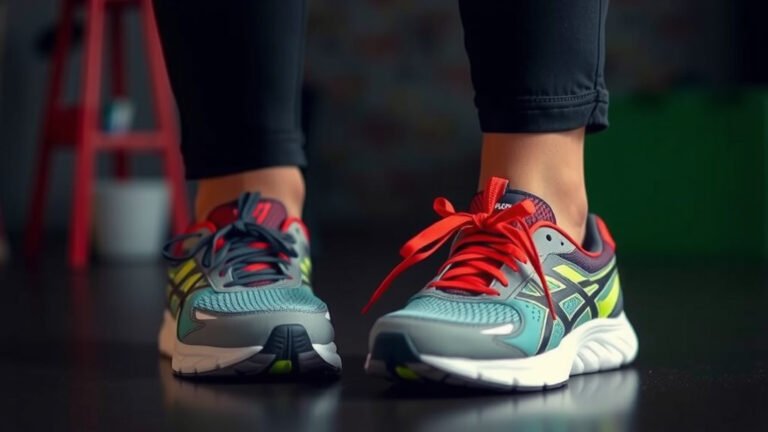
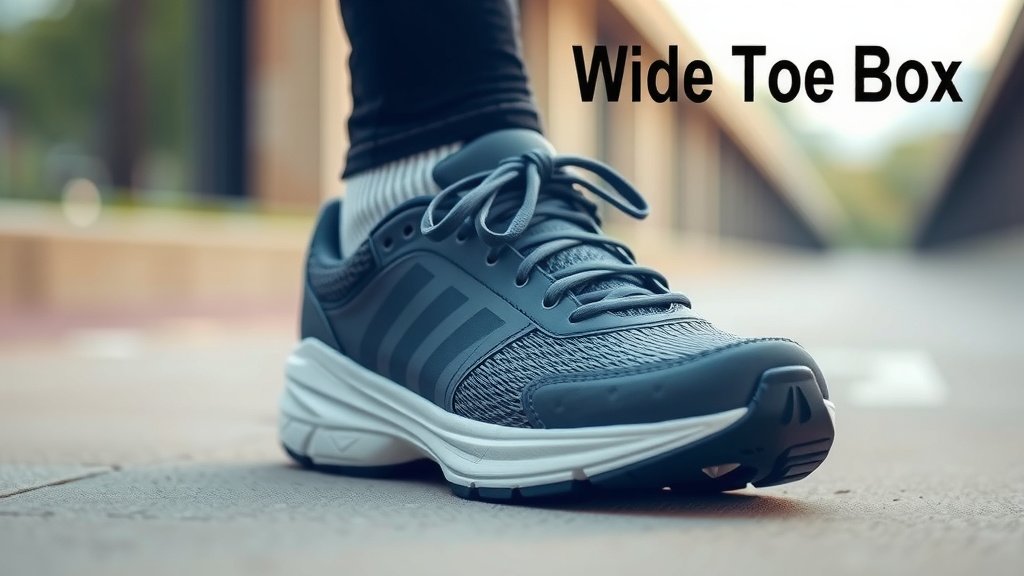
A wide toe box running shoe is designed with a much broader forefoot area than traditional running shoes. This gives your toes more room to splay naturally. Many runners find this design offers improved comfort and can help prevent foot issues.
Unlike shoes with a tapered toe, wide toe box models mimic the natural shape of a foot at rest. We found that this design can lead to better balance and stability during your runs. Some experts also suggest it might help with conditions like bunions or hammertoes.
- Wide toe box shoes give your toes room to spread.
- They aim for a more natural foot shape.
- This can improve comfort and stability.
- They may help with common foot problems.
- They are different from traditional, narrow running shoes.
We’ve gathered what you need to know about wide toe box running shoes. Let’s walk through exactly what makes them different and why you might want to consider them for your next run.
Understanding Wide Toe Box Running Shoes
So, what exactly makes a running shoe a “wide toe box” model? Think of it as giving your feet the wiggle room they deserve. Unlike traditional shoes that often taper to a point, these are built with a much broader forefoot. This generous space is designed to accommodate the natural shape of your foot, especially when it expands during activity.
We found that this design is a stark contrast to many athletic shoes. They often force your toes into a confined space. This can lead to discomfort and even long-term foot issues. Wide toe box shoes, on the other hand, aim to let your toes spread out naturally, much like they would if you were barefoot.
Why Your Toes Need Space to Spread
Have you ever noticed how your feet swell up after a long run? That’s perfectly normal! Your feet expand from increased blood flow and impact. When your toes are crammed into a narrow shoe, they don’t have room to move. They might press against each other or the front of the shoe.
We discovered that this restricted movement can cause a host of problems. Think about things like bunions, hammertoes, or even just plain old blisters. By allowing your toes to splay naturally, these shoes can help alleviate that pressure. It’s like giving your toes their own personal space to breathe and relax.
Mimicking Natural Foot Mechanics
Our research and findings suggest that a wide toe box can improve your natural gait. When your toes have room to spread, they can act as a better stabilizer. This can help with your balance and overall body alignment during your runs. It’s a subtle change that can make a big difference in how your whole body feels. A wide toe box can improve your natural gait; our guide explains how foot strike affects shoe choice.
Imagine your foot as a spring. When it’s compressed, it doesn’t work as efficiently. When it has room to expand and contract naturally, it can absorb impact better. Many experts say this natural foot function is key to injury prevention (American Podiatric Medical Association).
The Comfort Factor: A Game Changer for Runners
Let’s talk about comfort, because let’s be honest, a comfortable run is a happy run. Many runners who switch to wide toe box shoes report a dramatic increase in comfort. That feeling of your toes being squished is gone. Instead, you get a feeling of freedom and ease.
We found that this added comfort isn’t just about feeling good. It can actually help you run longer and stronger. When your feet aren’t hurting or feeling constricted, you can focus more on your performance and less on your discomfort. It’s a simple equation for a better running experience.
Who Benefits Most from Wide Toe Box Shoes?
While any runner can enjoy the benefits, certain individuals might find them particularly helpful. If you’ve ever experienced foot pain after running, especially in the forefoot area, these shoes are worth exploring. People with wider feet naturally might find them a much more comfortable fit right out of the box.
Also, runners who suffer from specific foot conditions often find relief. We’ve seen reports that suggest these shoes can be beneficial for those dealing with:
- Bunions
- Hammertoes
- Neuromas
- Plantar fasciitis (in some cases)
- Morton’s neuroma
If you have any of these conditions, it’s always a good idea to consult with a podiatrist. They can offer personalized advice on footwear. But generally, the extra space is a big plus for foot health.
Key Features to Look For
When you’re shopping for a wide toe box running shoe, what should you be looking for? It’s more than just saying “wide” on the box. You want to ensure the design truly supports natural foot splay. Pay close attention to the shape of the forefoot.
The Shape of the Toe Box
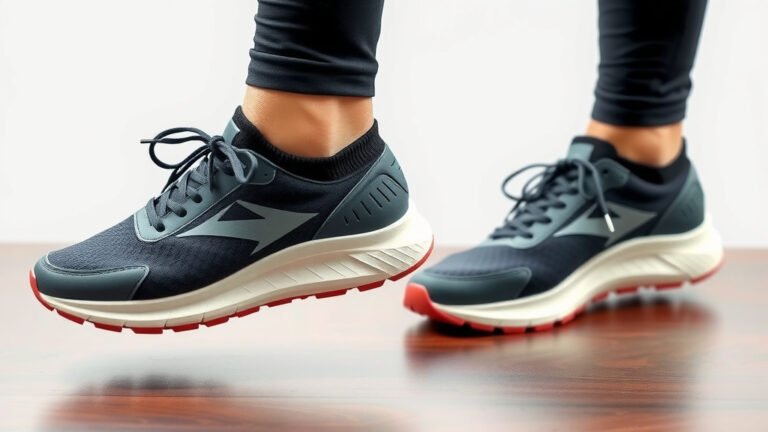
A true wide toe box shoe will have a more anatomical shape. It should be rounded or even slightly squared off at the front. It shouldn’t taper inward like a traditional shoe. You should be able to see your toes lying flat and uncrowded within the shoe when you try them on.
We found that some brands offer different widths, like “wide” or “extra wide.” However, the shape of the toe box is often more important than just a width designation. A shoe can be labeled wide but still have a tapered toe. Always visually inspect the toe area.
Flexibility and Ground Feel
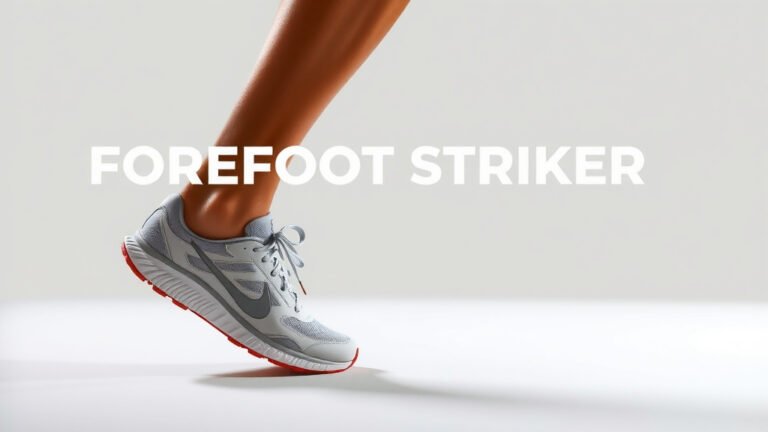
Many wide toe box shoes also emphasize flexibility. This allows your foot to move more naturally with each stride. They often have a lower heel-to-toe drop as well. This encourages a more midfoot or forefoot strike, which aligns with natural running form. Many wide toe box shoes also emphasize flexibility and a lower heel-to-toe drop, which our guide explains.
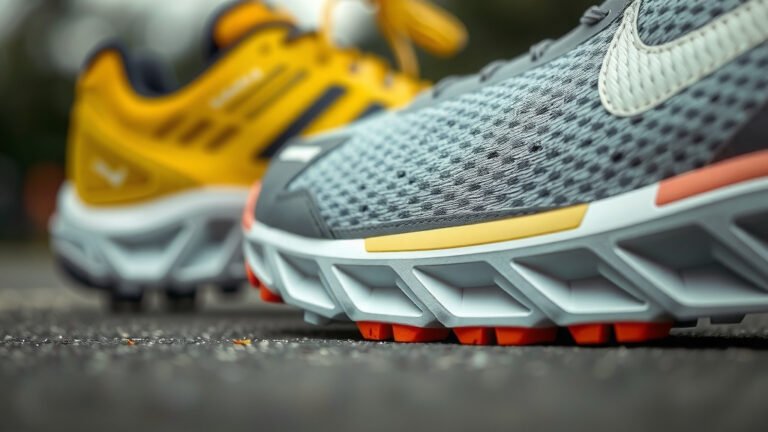
A good ground feel means you can sense the terrain beneath your feet. This isn’t about feeling every pebble, but about having enough proprioception to adjust your stride. We found that this connection to the ground can enhance stability and efficiency. It’s like your feet are having a conversation with the road or trail.
Wide Toe Box vs. Traditional Running Shoes
To really understand the difference, let’s break it down. Traditional running shoes are often designed with a narrow toe box. This is sometimes done to create a snugger fit and a more “performance” look. However, this design can restrict toe movement.
Here’s a quick comparison we put together:
| Feature | Wide Toe Box Shoes | Traditional Shoes |
|---|---|---|
| Toe Area Shape | Broad, anatomical, allows splay | Tapered, often narrow, restricts splay |
| Comfort | High, especially for long runs or foot issues | Can be less comfortable, potential for pinching |
| Natural Foot Function | Supports natural toe splay and balance | May impede natural foot mechanics |
| Ideal For | Runners seeking comfort, foot health, natural movement | Runners prioritizing a very snug fit or specific brand feel |
Common Misconceptions
One common thought is that wide toe box shoes are only for people with “wide feet.” While they are fantastic for those individuals, that’s not their sole purpose. The primary goal is to allow for natural toe splay, regardless of your foot width.
Another myth is that they lack support. Many wide toe box shoes offer excellent support and cushioning. The key difference is how that support is integrated around a more natural foot shape. We found that support doesn’t have to mean constriction. Brands are increasingly focusing on both comfort and performance.
Making the Switch: What to Expect
If you’re considering a switch to wide toe box running shoes, it’s an exciting step towards better foot health. Your feet might feel a bit different at first. They might feel “naked” or like they have more room than they’re used to.
Give your feet time to adjust. Don’t go out and run a marathon on day one. Start with shorter runs. Pay attention to how your feet feel during and after your runs. We found that gradually increasing mileage allows your feet and brain to adapt to the new sensation.
Here’s a quick checklist for transitioning:
- Try them on at the end of the day when your feet are slightly swollen.
- Ensure your toes aren’t hitting the front of the shoe.
- Walk around in them for a bit before buying.
- Start with shorter runs to let your feet adjust.
- Listen to your body and any feedback it gives you.
- Consider consulting a running store specialist for fitting advice.
Ultimately, the best running shoe is the one that works best for your unique feet and running style. Wide toe box shoes offer a compelling option for many runners seeking greater comfort and natural foot function.
Conclusion
You’ve learned that wide toe box running shoes offer a natural fit by giving your toes room to spread. This design can significantly boost your comfort and improve your running balance. They mimic your foot’s natural shape, which may help prevent common foot issues and enhance your overall running experience. Making the switch can feel different, but it’s about prioritizing your foot health and performance. Consider trying a pair and feel the difference yourself!
Frequently Asked Questions
Are wide toe box shoes only for people with wide feet?
Not at all! While people with wide feet often find them comfortable, the main benefit is allowing toes to splay naturally. This is helpful for anyone looking to improve foot mechanics and reduce pressure, regardless of their foot width.
Will switching to wide toe box shoes hurt my performance?
Most runners find that wide toe box shoes improve comfort, allowing them to run longer and feel better. While there might be a short adjustment period, many report enhanced stability and a more natural stride, which can positively impact performance.
Can wide toe box shoes really help with bunions or hammertoes?
Yes, the extra space in the toe box can alleviate pressure points that often aggravate conditions like bunions and hammertoes. By allowing toes to align naturally, these shoes can provide relief and prevent further irritation.
How do I know if a shoe has a true wide toe box?
Look for shoes with a distinctly rounded or anatomical toe shape, not one that tapers inward. You should be able to see your toes lying flat and uncrowded inside. Always visually inspect the toe area rather than just relying on width labels.
Is there a specific type of running these shoes are best for?
Wide toe box shoes are versatile and beneficial for various types of running, from short jogs to long-distance efforts. They excel for road running, trail running, and even walking, especially if you prioritize natural foot movement and comfort.