Arch Type and Running Shoes: Find Your Perfect Fit
Yes, your foot’s arch type absolutely impacts the running shoes you should wear. Choosing the right shoe based on your arch can prevent injuries and make running more comfortable. Ignoring your arch type might lead to pain and discomfort during your runs.
Understanding your arch helps you select shoes that offer the correct support. This means better shock absorption and alignment for your feet. We’ve found that the right shoe can feel like magic for your stride.
- Your arch type is key to picking the best running shoes.
- Matching shoes to your arch prevents foot and leg pain.
- Different arch types need different types of shoe support.
- This guide helps you find the perfect fit for happy feet.
Let’s dive into how your arch type affects your running shoe choice and what that means for your next pair.
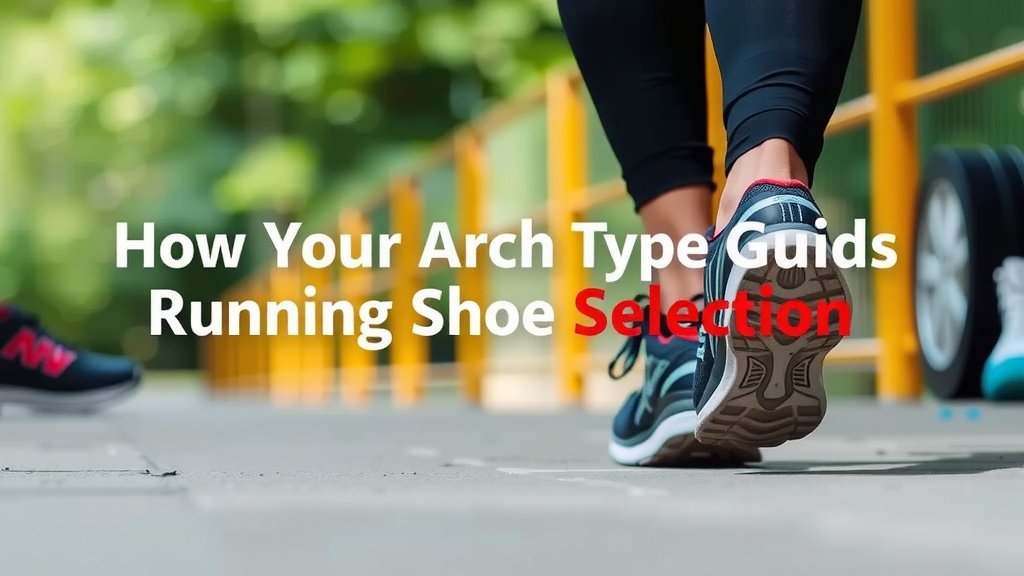
How Your Arch Type Guides Running Shoe Selection
Choosing the right running shoes isn’t just about color or brand. Your foot’s arch plays a major role. It dictates how your foot strikes the ground and absorbs shock. Matching your shoe to your arch type can prevent common running injuries. We found that paying attention to this detail makes a big difference for many runners.
Understanding the Three Main Arch Types
Most people fall into one of three categories based on their arch. Knowing yours helps you pick shoes that feel like they were made just for you. This isn’t rocket science; it’s about understanding your body’s natural mechanics. Many experts agree that arch type is a primary factor in shoe choice (American Podiatric Medical Association).
1. The High Arch (Supinated Foot)
Do you have a very noticeable curve under your foot? When you look at your footprint, do you see mostly your heel and the ball of your foot, with very little connecting them? That’s likely a high arch. This foot type doesn’t flatten much when you stand or run. The outer edge of your foot might hit the ground first, and it stays there. This can mean less shock absorption, leading to potential issues like shin splints or plantar fasciitis if you don’t have the right support.
2. The Normal Arch (Neutral Foot)
If your footprint shows a clear curve, but you see a good portion of your midfoot connecting your heel and toes, you probably have a normal arch. This foot type is often considered the most biomechanically efficient. Your foot typically rolls inward slightly after landing, which helps absorb shock effectively. Most standard running shoes work well for neutral arches.
3. The Flat Arch (Pronated Foot)
Does your foot seem to lie almost flat on the ground? When you stand, your arch might collapse inward. Your footprint might look like a solid shape with little to no curve inward. This is a flat arch, also known as pronation. Your foot rolls inward more than necessary after landing. This can put extra stress on your inner ankle and shin. Finding shoes that control this motion is key.
How Arch Type Dictates Shoe Support Needs
The primary goal of running shoe design is to provide the right kind of support for your foot’s natural movement. Arch type directly influences how much support you need and what kind. Think of it like building a house: you need a strong foundation that matches the ground it’s built on.
Shoes for High Arches (Supination)
If you have a high arch, your foot doesn’t absorb shock very well on its own. You need shoes that provide plenty of cushioning. This extra padding helps make up for your foot’s natural shock absorption. Look for shoes labeled as “neutral” or “cushioned.” These often have softer midsoles. We found that a well-cushioned shoe can significantly reduce impact forces on your joints.
Shoes for Normal Arches (Neutral Pronation)
Runners with normal arches typically have a good balance of flexibility and support. Your foot rolls inward just enough to absorb shock. You don’t need excessive motion control. Most standard running shoes, often called “neutral” shoes, will work well for you. These shoes offer a good blend of cushioning and flexibility. They allow your foot to move naturally without overcorrecting.
Shoes for Flat Arches (Overpronation)
If your arch is flat and your foot rolls inward too much, you’re likely overpronating. This can lead to pain and injury. You need shoes designed to limit excessive inward rolling. These are often called “motion control” or “stability” shoes. They have firmer midsoles, especially on the inner side. They might also have a stiffer heel counter. These features help guide your foot into a more neutral path.
Finding Your Arch Type: A Simple Test
You don’t need a fancy lab to figure out your arch type. A simple “wet test” can give you a clear idea. Gather a few supplies and follow these easy steps. This test is a great starting point for understanding your feet.
Here’s what you’ll need:
- A dark piece of paper or cardboard
- A bowl of water
- Your bare feet
Follow these steps:
- Wet the bottom of your foot.
- Step onto the dark paper.
- Lift your foot to see the wet imprint.
Now, look at the footprint you left behind. Does it show a lot of your foot, with barely any curve inward? That’s likely a flat arch. Does it show mostly your heel and the ball of your foot, with a thin line connecting them? That suggests a high arch. If you see a shape with a noticeable, but not excessive, inward curve, you probably have a normal arch.
Many podiatrists recommend this test as a first step in understanding your biomechanics (Cleveland Clinic). It’s a simple way to gather important information about your feet before you shop for new shoes.
Shoe Categories Explained: What to Look For
Running shoe manufacturers categorize their shoes based on the support they offer. Understanding these categories helps you translate your arch type into a shoe choice. You’ll see terms like “neutral,” “stability,” and “motion control” on shoe boxes and online descriptions. Understanding your foot type and gait is crucial for selecting the right shoe category.
| Shoe Category | Best For | Key Features |
|---|---|---|
| Neutral/Cushioned | High Arches, Normal Arches | Soft midsoles, flexible, good shock absorption. No added control features. |
| Stability | Mild Overpronation (Slightly Flat Arches) | Moderate cushioning, some firming elements on the inner side to guide the foot. |
| Motion Control | Severe Overpronation (Very Flat Arches) | Maximum support, very firm midsoles, often wider base, straight last construction. |
For high arches, focus on shoes labeled “cushioned” or “neutral”. They provide the shock absorption you need. If you have a normal arch, “neutral” shoes are usually your best bet. They offer a good balance. For flat arches, “stability” shoes are often recommended for mild overpronation. If you severely overpronate, look for “motion control” shoes.
Don’t Forget Fit and Comfort!
While arch type is vital, it’s not the only factor. The best running shoe for you must also fit well and feel comfortable. A shoe that fits poorly, even if it’s technically the “right” type for your arch, can still cause problems. We’ve heard from many runners who learned this the hard way.
Here’s a quick checklist for shoe fitting:
- Toe Room: Ensure about a thumb’s width of space between your longest toe and the end of the shoe.
- Heel Fit: Your heel shouldn’t slip up and down when you walk or run.
- Midfoot Feel: The shoe should feel snug but not tight around your arch.
- Width: Check if the shoe feels too narrow or too wide across the ball of your foot.
- No Pinching: Make sure there are no hot spots or areas that pinch.
- Test Run: If possible, jog a few steps in the store or on a treadmill.
Ultimately, even with expert advice, your personal comfort is a huge indicator of a good match. Trust your instincts and how the shoe feels on your foot.
Conclusion
Choosing the right running shoe for your arch type is a smart step towards happier, healthier runs. You’ve learned how your foot’s natural structure impacts shock absorption and alignment. Matching your arch (high, normal, or flat) with the correct shoe support – cushioned, neutral, or stability/motion control – can make a big difference. Don’t forget that a great fit and personal comfort are just as important. Your next step? Use the simple wet test to understand your arch and head to a running store with this knowledge. You’re now well-equipped to find shoes that support your unique stride.
Frequently Asked Questions
Can I wear any running shoe if I have normal arches?
Generally, yes. Normal arches are biomechanically efficient, so most standard “neutral” running shoes will work well for you. These shoes offer a good balance of cushioning and flexibility without unnecessary support features. Just ensure the shoe fits comfortably and feels good on your foot during a test run.
What happens if I wear the wrong type of shoe for my arch?
Wearing the wrong shoes can lead to pain and injuries. If you have high arches and lack cushioning, you might experience shin splints or joint pain from poor shock absorption. Conversely, if you have flat feet and wear a neutral shoe, you could overpronate excessively, stressing your ankles and knees.
How often should I replace my running shoes?
Most running shoes last between 300 to 500 miles. Pay attention to how they feel; if the cushioning feels flat or you start experiencing aches you didn’t before, it’s likely time for a new pair. Consistent mileage and your running style can affect this lifespan.
Can I use the wet test if my feet are wet from rain?
Yes, you can use the wet test even if your feet are wet from rain or any other source. The goal is to see the imprint your foot leaves on a surface when it’s wet. Just ensure the surface you step on can clearly show the footprint, like dark paper or cardboard.
Are stability shoes the same as motion control shoes?
No, they are different. Stability shoes offer moderate support to help guide mildly flat feet and prevent excessive inward rolling (overpronation). Motion control shoes are designed for severe overpronation and offer maximum support, often with a wider base and firmer cushioning to significantly limit foot movement.