How to Use Metatarsal Pads in Running Shoes
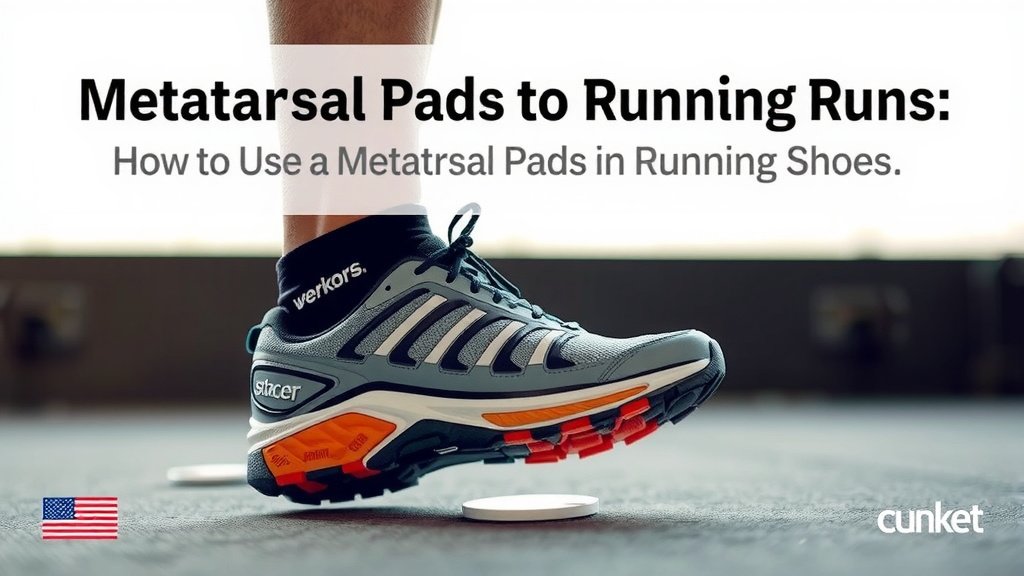
Using a metatarsal pad in your running shoes is straightforward. You simply place the pad inside your shoe, just behind the ball of your foot. It should feel comfortable and supportive, helping to redistribute pressure and relieve pain.
These little pads can make a big difference for runners. They are designed to support the metatarsal arch, which is a common source of discomfort for many. When placed correctly, they can alleviate pain and even help prevent issues like neuromas. We found them to be a simple yet effective tool.
- Understand what a metatarsal pad is.
- Learn the correct placement for relief.
- Discover the benefits for runners.
- Tips for choosing the right pad.
Ready to learn how to get the most out of your metatarsal pads? Let’s walk through exactly how to use them step by step to bring you more comfort on your runs.
Getting Started with Metatarsal Pads for Your Runs
You’ve got your running shoes and you’re ready to hit the pavement. But wait, what’s this little pad for? Metatarsal pads are small but mighty tools designed to give your feet some extra support. They are placed strategically inside your shoe to cushion and support the metatarsal arch. This arch, located just behind the ball of your foot, can sometimes become strained or painful during running. When used correctly, these pads can bring a lot of relief.
Understanding Your Metatarsal Pad
Think of your metatarsal pad as a tiny hammock for the bones in the ball of your foot. These five long bones, called metatarsals, are essential for shock absorption and propulsion when you run. Sometimes, repetitive impact can cause them to feel sore or even lead to conditions like metatarsalgia or neuromas. A metatarsal pad works by lifting and supporting this arch, taking some of the pressure off those sensitive bones and nerves. We’ve found that many runners experience a noticeable difference in comfort simply by adding this simple insert.
Where Exactly Does it Go?
Placement is key to unlocking the benefits of a metatarsal pad. If it’s in the wrong spot, it might not help, or worse, it could cause more discomfort. You want to position the pad inside your running shoe, directly behind the ball of your foot. Imagine drawing a line across your foot just before your toes start to spread. The pad should sit right behind that line, where you feel the most pressure when standing or walking. It’s typically a convex shape, and that curve should face upwards, towards your foot.
Finding the Sweet Spot
The best way to find the right spot is by trial and error, but there are some helpful guidelines. Most pads are designed with a slight taper, often thicker at the back and thinner at the front. This taper helps it blend smoothly with your foot’s natural arch. You’ll want to ensure the pad isn’t bunching up your socks or creating an uncomfortable lump. Many experts suggest placing it so that the widest, thickest part of the pad is directly under the second, third, and fourth metatarsal heads. This is usually the area that bears the most weight during your stride.
How to Insert the Pad Correctly
It’s a simple process, but doing it mindfully can make a big difference. First, take out your shoe’s existing insole or sock liner. Some pads are designed to go over the insole, while others work best underneath. Check the manufacturer’s instructions for your specific pad. Generally, you’ll place the pad onto the insole or directly into the shoe where the insole would normally sit. Press it down firmly to make sure it adheres well and doesn’t shift. Then, replace the sock liner or insole over the top of the metatarsal pad.
Checking for Comfort and Fit
Once the pad is in place, put your running shoe on without your foot inside it. Feel around with your fingers to make sure the pad is smooth and evenly positioned. There shouldn’t be any sharp edges or bumps creating pressure points. Now, slip your foot into the shoe. Wiggle your toes. Walk around a bit. Does it feel natural? You should feel a gentle lift and support under the ball of your foot, not a hard lump or an awkward angle. If it feels off, take the shoe off and adjust the pad. This might take a few tries to get just right.
The Benefits You Can Expect
So, why go through the trouble of adding a metatarsal pad? The primary benefit is pain relief. By supporting the metatarsal arch, these pads can significantly reduce discomfort associated with conditions like metatarsalgia. They also help to spread out the pressure across the ball of your foot, preventing a concentrated, painful spot. Many runners also find that these pads help to prevent or alleviate symptoms of Morton’s neuroma, which is a thickening of nerve tissue between your toes. Research has shown that improved foot biomechanics can lead to fewer injuries. This little pad can contribute to that.
When to Seek Professional Advice
While metatarsal pads are a fantastic self-help tool, they aren’t a magic bullet for all foot pain. If you’re experiencing persistent or severe pain, it’s always wise to consult a medical professional. Podiatrists and physical therapists can properly diagnose the cause of your discomfort. They might recommend metatarsal pads as part of a broader treatment plan, which could include exercises, different footwear, or orthotics. Many health guidelines suggest that persistent foot pain warrants a professional assessment (American Podiatric Medical Association).
Choosing the Right Metatarsal Pad for You
Not all metatarsal pads are created equal. They come in various materials, shapes, and sizes. Understanding your needs will help you pick the best option. For instance, if you have very sensitive feet, a softer, gel-based pad might be more comfortable than a firmer foam one. If you have a very high arch, you might need a thicker pad for adequate support.
Types of Metatarsal Pads Available
You’ll generally find pads made from:
- Foam: Lightweight and often the most affordable. Good for general cushioning.
- Gel: Offers excellent shock absorption and can feel very comfortable against the skin.
- Felt: Traditional and provides good support, though can compress over time.
- Silicone: Durable and provides a good balance of cushioning and support.
We’ve found that gel and silicone pads often last longer and provide superior comfort for longer runs.
Consider Your Running Needs
Think about your typical run. Are you a long-distance runner who needs maximum cushioning? Or are you a sprinter who needs a firmer support? The duration and intensity of your runs can influence the type of pad you choose. For shorter, faster runs, a slightly firmer pad might offer better responsiveness. For marathons, you’ll likely want something with ample cushioning and shock absorption.
| Material | Pros | Cons |
|---|---|---|
| Foam | Lightweight, Affordable | Can compress easily, Less durable |
| Gel | Excellent cushioning, Comfortable | Can be pricier, Might feel slippery to some |
| Felt | Good support, Breathable | Can lose shape, Not as durable as silicone |
| Silicone | Durable, Good balance of support and cushioning | Can be expensive, Might require a break-in period |
Making the Most of Your New Pads
Once you’ve selected and placed your metatarsal pads, it’s important to ease into them. Your feet might need a little time to adjust to the new sensation and support. Don’t expect immediate perfection; give yourself and the pads some time.
Breaking Them In
Start by wearing the pads for short walks or runs. Pay attention to how your feet feel. If you experience any new discomfort, take the pads out and give your feet a break. Gradually increase the duration of your runs with the pads over a week or two. Most runners find that their feet adapt quickly. This gradual approach helps prevent any irritation and ensures you get the full benefit.
When to Replace Them
Like any cushioning or support item, metatarsal pads wear out. They can lose their shape, flatten, or become less effective over time. You’ll know it’s time for new ones when they no longer feel supportive or when the discomfort they were meant to alleviate returns. We’ve found that a good rule of thumb is to inspect them monthly and replace them every 3-6 months, depending on usage and material.
A Quick Checklist for Success
- Ensure the pad is behind the ball of your foot.
- Check for a comfortable, smooth fit inside your shoe.
- Wear them for short distances initially to break them in.
- Listen to your body – adjust placement if needed.
- Replace pads when they lose their cushioning or support.
- Consult a podiatrist if pain persists.
Conclusion
You’ve learned how to properly place and use metatarsal pads in your running shoes. Remember, the goal is to support your metatarsal arch and relieve pressure for a more comfortable run. By ensuring correct placement behind the ball of your foot and choosing the right pad material for your needs, you can effectively manage foot pain. Don’t forget to break them in gradually and listen to your body. Take the next step: try out your new metatarsal pads on your next run and feel the difference!
Frequently Asked Questions
How long should I wear metatarsal pads each day?
Start by wearing your metatarsal pads for short periods, like during a 15-20 minute walk or a brief run. Gradually increase the wear time over a week or two as your feet get used to them. Pay attention to how your feet feel and adjust accordingly.
Can metatarsal pads help with plantar fasciitis?
Metatarsal pads are primarily designed to support the ball of your foot, not the heel where plantar fasciitis pain typically occurs. While they can improve overall foot mechanics, they are usually not the primary solution for plantar fasciitis. You might need a different type of insert for that condition.
Do I need to replace my metatarsal pads often?
Yes, metatarsal pads wear out over time and lose their effectiveness. Inspect them regularly for signs of flattening or compression. Most runners find they need to replace them every 3 to 6 months, depending on how much they run and the pad material.
Can I use metatarsal pads with my existing orthotics?
It’s generally best to use metatarsal pads either on their own or according to the manufacturer’s instructions. Combining them with custom orthotics can sometimes alter the fit of your shoe or change the pressure distribution in unintended ways. Consult your podiatrist if you want to use them together.
What if the metatarsal pad feels uncomfortable or creates a new pain?
If you experience new discomfort or pain, the placement is likely incorrect. Take the shoe off and readjust the pad’s position. Try moving it slightly forward or backward. Ensure it’s smooth and not bunching up. If the pain persists, the pad might not be right for your foot type or you may need professional advice.