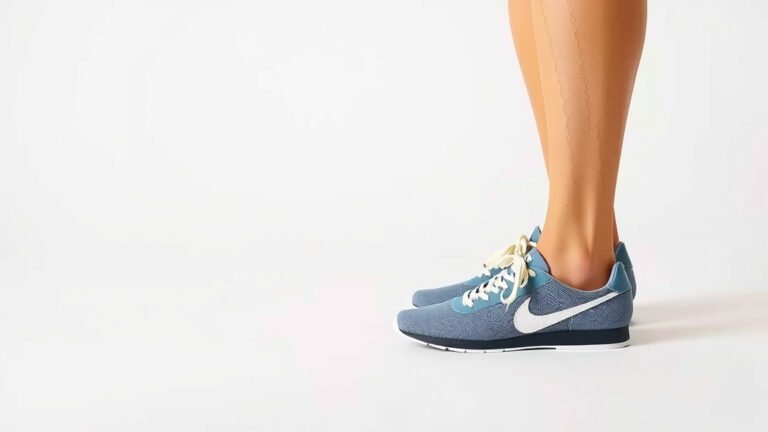
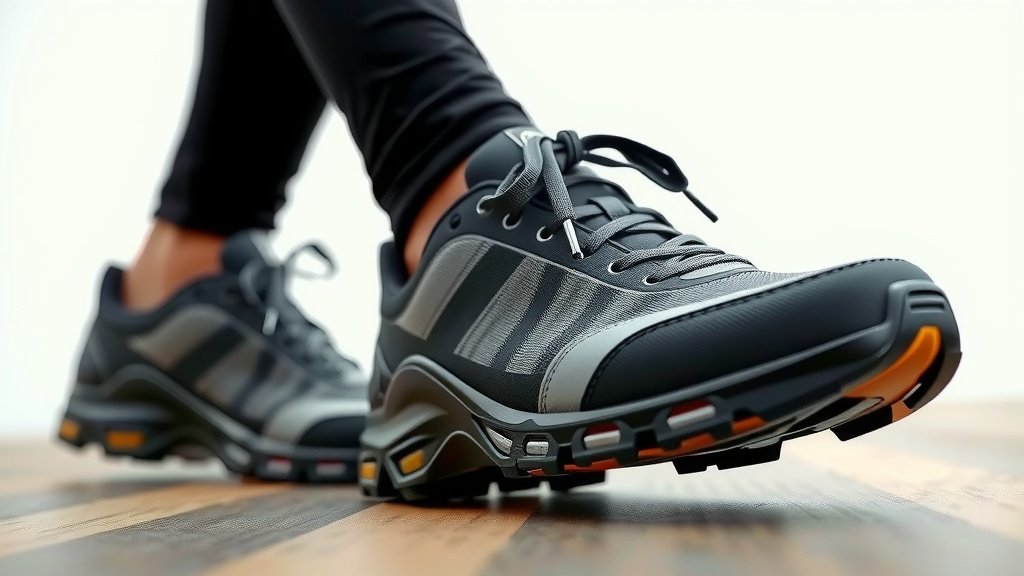
Training in Carbon Plate Shoes: What You Need to Know
Yes, you can train in carbon plate shoes, but it’s not always a simple yes. Many runners wonder if these shoes are just for race day. Research shows that using them too often for every workout can lead to injury and might not be the best way to improve. So, while they offer benefits, careful planning is key.
Carbon plate shoes are designed to provide a unique running experience. They aim to improve your running economy and give you a feeling of propulsion. However, they work differently than your traditional trainers. Relying on them too much for daily miles might skip important steps in building your overall strength and durability as a runner.
- Carbon plate shoes offer a propulsive feel for faster running.
- Using them too frequently can increase injury risk.
- They are best used strategically, not for every run.
- Listen to your body and build up mileage gradually.
Let’s break down exactly how and when you should be lacing up those super shoes for your training runs.
Integrating Carbon Plate Shoes into Your Training Plan
So, you’ve got those shiny new carbon plate shoes. You’re probably itching to put them to the test! But before you decide to wear them for every single mile, let’s chat about how to use them wisely in your training. The truth is, they’re not your everyday jogging companions.
Understanding the Purpose of Carbon Plates
Carbon plate shoes are engineered for speed. That stiff plate inside the shoe works with a responsive foam. It helps to propel you forward with each stride. Think of it like a lever; it helps your foot snap back and push off more efficiently. This can make you feel faster with less effort.
Research has shown these shoes can improve your running economy. This means your body uses less energy at a given pace. They are designed to help you perform better on race day, especially over longer distances. They give you that extra edge when you need it most.
The Science Behind the Speed
When you run in carbon plate shoes, the plate limits your foot’s natural flexibility. This encourages a quicker, more efficient stride. The foam also plays a big role. It’s often very soft and bouncy, returning a lot of energy. This combination can feel like you’re getting a boost with every step.
However, this design means your smaller foot muscles have to work differently. They might not be engaged in the same way as in a traditional shoe. This is a key point for your training strategy.
Why You Shouldn’t Train in Them Every Day
While tempting, making carbon plate shoes your daily drivers isn’t the best move. Your body needs a variety of stimuli to get stronger and more durable. Relying on one type of shoe too much can actually hinder this process.
Potential for Injury and Overuse
Many runners report feeling more fatigue in their calves and Achilles tendons when using carbon plate shoes too often. The stiff plate and bouncy foam can put unusual stress on these areas. Your foot and lower leg muscles might not be accustomed to the new mechanics.
Studies suggest that frequent use of these super shoes can increase the risk of certain injuries. This includes things like plantar fasciitis and stress fractures. Your body needs time to adapt to the unique demands of the shoe. Without that adaptation period, you’re asking for trouble.
Missing Out on Essential Strength Building
Traditional running shoes allow for more natural foot movement. This helps build strength in the muscles of your feet, ankles, and lower legs. These muscles are vital for injury prevention and overall running resilience. When you bypass this natural strengthening, you might become more prone to injuries down the line.
Think of it like always using a power tool. You might get the job done faster, but you don’t develop the same muscle control and strength as you would with hand tools. Your body needs a mix of both to truly thrive.
Strategic Ways to Use Carbon Plate Shoes in Training
So, how do you get the benefits without the drawbacks? The key is smart, strategic use. Think of them as your special occasion shoes, but for training!
The “Race Day Plus” Approach
The most common and recommended approach is to save your carbon plate shoes for race day. This ensures they are fresh and you get the maximum benefit when it counts. However, some runners like to use them for specific workouts leading up to a race.
This could include:
- Long runs that include some faster segments.
- Tempo runs or threshold workouts where you’re holding a sustained fast pace.
- Interval sessions on the track or road to practice race pace.
Gradual Introduction and Mileage Management
If you decide to incorporate them into training, start slowly. Your first few runs should be short. Maybe just 3-5 miles to begin with. Pay close attention to how your body feels during and after the run.
We found that many runners benefit from limiting their carbon plate shoe mileage to 10-20% of their total weekly mileage. This helps reduce the risk of overuse injuries. It also ensures you’re still doing the bulk of your running in more supportive, traditional trainers.
| Shoe Type | Primary Use | Frequency |
|---|---|---|
| Traditional Trainers | Easy runs, recovery runs, long runs | Most of your weekly mileage |
| Carbon Plate Shoes | Race day, specific fast workouts (tempo, intervals) | Limited, strategic use (e.g., 10-20% of weekly mileage) |
| Daily Trainers with More Cushion | Long runs, easy days, when needing extra comfort | As needed for comfort and recovery |
Listen to Your Body: The Ultimate Guide
No matter what the experts say or what your friends are doing, your body is the best guide. If you feel any unusual aches or pains when wearing your carbon plate shoes, stop. Don’t push through it. This is your body sending you a clear signal.
Common areas to watch for include your calves, Achilles tendon, shins, and the soles of your feet. If you experience persistent soreness, it’s time to dial back. You might need to take a few days off or switch back to your regular trainers.
When to Absolutely Stick to Traditional Shoes
There are certain runs where carbon plate shoes are simply not the right tool. These include:
- Very easy recovery runs: You want these to be relaxed and allow your body to recover.
- Long, slow runs: Unless you’re specifically practicing race-pace efforts within them.
- Running on technical trails: Carbon plate shoes offer little to no stability or protection on uneven terrain.
- When you are new to running: Build a solid base of strength and durability first.
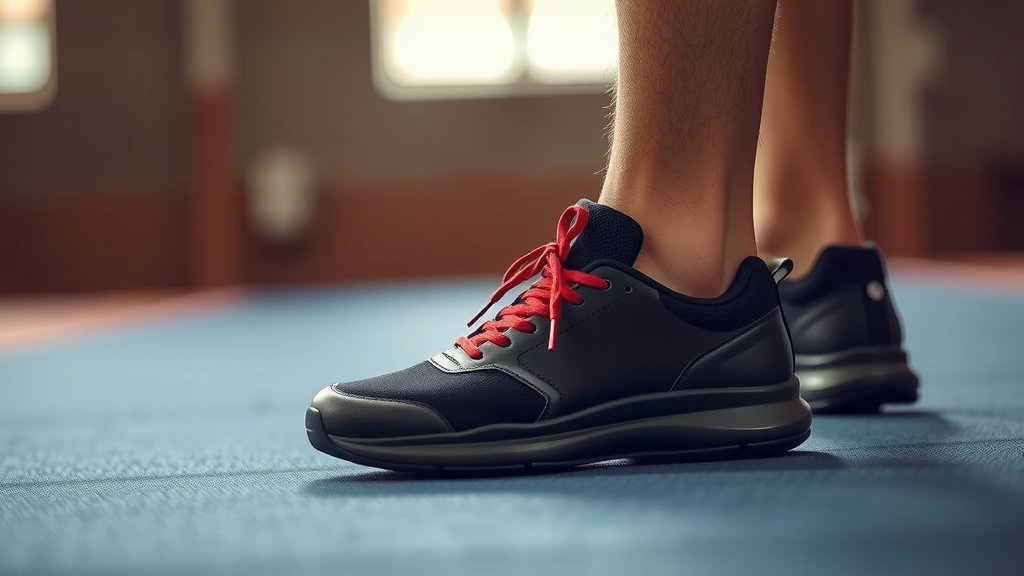
Building a Smart Training Routine
Creating a balanced training plan is essential for long-term running success. Carbon plate shoes can be a fun and effective part of that plan when used correctly. It’s all about balance and listening to your body’s feedback.
Your Carbon Plate Training Checklist:
- Start slow: Begin with short, infrequent runs in your super shoes.
- Monitor your body: Pay attention to any aches or pains.
- Limit mileage: Keep carbon plate use to a small percentage of your total weekly runs.
- Prioritize recovery: Use traditional shoes for easy and recovery days.
- Don’t race in new shoes: Break them in on training runs before a big event.
- Be flexible: Adjust your plan based on how you feel.
Conclusion
You absolutely can train in carbon plate shoes, but think of them as special tools, not your everyday running shoes. They’re designed to give you that extra speed boost for key workouts and race day. Relying on them too much for your daily miles can actually set you back by increasing injury risk and hindering natural strength development. Remember to rotate them strategically with your traditional trainers.
The best way forward is to listen to your body and gradually introduce these super shoes into your routine. Use them for specific, faster sessions and save your traditional shoes for building that essential strength and durability on easy and long runs.
Frequently Asked Questions
Can I wear my carbon plate shoes for every single run?
It’s generally not recommended to wear carbon plate shoes for every run. Research suggests this can lead to overuse injuries and may prevent your feet and lower leg muscles from building natural strength. A varied shoe rotation is best for long-term running health.
How often should I use carbon plate shoes in my training?
A good rule of thumb is to limit your carbon plate shoe mileage to about 10-20% of your total weekly mileage. This allows you to benefit from their speed-enhancing features without overdoing it.
What kind of injuries can happen from overusing carbon plate shoes?
Overuse can stress your calves, Achilles tendons, and shins. You might also experience issues like plantar fasciitis or general fatigue in your feet. Your body needs time to adapt to the unique mechanics of these shoes.
Are carbon plate shoes good for marathon training?
Yes, they can be beneficial for specific marathon training workouts like tempo runs or interval sessions where you practice race pace. However, they shouldn’t replace your daily trainers for the bulk of your long runs or easy recovery miles.
When should I definitely NOT use carbon plate shoes?
You should avoid them for very easy recovery runs, slow long runs (unless practicing pace), and any trail running where stability and ground feel are crucial. Also, if you’re new to running, focus on building a base in traditional shoes first.