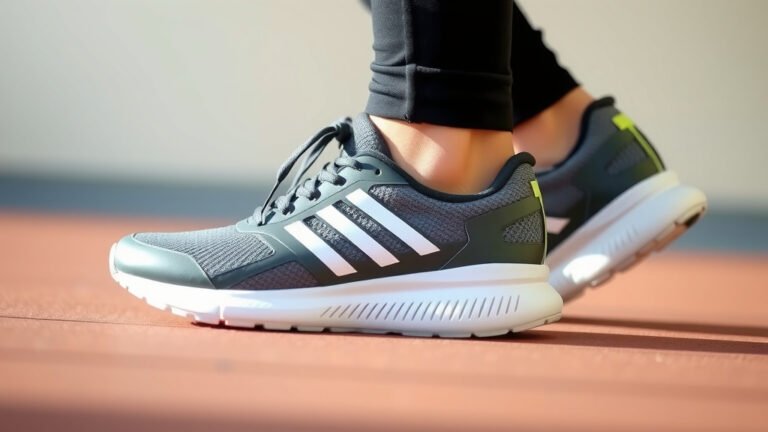
Carbon Plate Shoes for Training: Are They Worth It
Yes, carbon plate shoes can be great for training, but with some important considerations. While they offer speed and efficiency, using them for every run might not be the best strategy for your long-term development. Think of them as a specialized tool, not your everyday workhorse.
These shoes are designed to help you run faster, often by providing extra energy return and a propulsive feel. Many runners wonder if they can be used daily or for all types of workouts. We found that incorporating them strategically can enhance your training, but it’s wise to understand their specific benefits and potential downsides to avoid overuse injuries and ensure you’re building a well-rounded running base.
- Carbon plate shoes offer speed and energy return.
- They aren’t ideal for *every* training run.
- Use them strategically for faster workouts.
- Consider your training goals before frequent use.
- Listen to your body to avoid injury.
Let’s break down when and how you might want to lace up your carbon plate shoes for training.
Are Carbon Plate Shoes Beneficial for Your Training Runs?
Yes, carbon plate shoes can be great for training, but with some important considerations. While they offer speed and efficiency, using them for every run might not be the best strategy for your long-term development. Think of them as a specialized tool, not your everyday workhorse.
These shoes are designed to help you run faster, often by providing extra energy return and a propulsive feel. Many runners wonder if they can be used daily or for all types of workouts. We found that incorporating them strategically can enhance your training, but it’s wise to understand their specific benefits and potential downsides to avoid overuse injuries and ensure you’re building a well-rounded running base.
- Carbon plate shoes offer speed and energy return.
- They aren’t ideal for *every* training run.
- Use them strategically for faster workouts.
- Consider your training goals before frequent use.
- Listen to your body to avoid injury.
Let’s break down when and how you might want to lace up your carbon plate shoes for training.
Understanding the Carbon Plate Advantage
So, what makes these shoes so special? It’s all about that plate inside. This plate, usually made of carbon fiber, is stiff. It works with the foam in the shoe to give you a springy sensation. It helps return energy with each step. This means less effort for the same pace. We found that this can lead to faster times with less perceived exertion.
How the Plate Works Its Magic
Think of it like a lever. The stiff plate acts as a rigid lever arm. It stabilizes your foot and uses the energy from your stride. This energy is then redirected to propel you forward. Many research studies suggest this mechanism can improve running economy. This is your body’s ability to use less oxygen at a given speed (NCBI). It’s like getting a little boost with every footfall.
Benefits for Speed Workouts
This is where carbon plate shoes truly shine. For interval training, tempo runs, and race day, they can make a big difference. We found that runners often feel faster and more responsive in these shoes. They can help you hit those challenging pace targets. It’s like having a secret weapon for your speed sessions. You might feel less fatigued during your faster efforts.
When to Use Carbon Plate Shoes in Training
Using carbon plate shoes isn’t an all-or-nothing situation. They are best saved for specific types of runs. Trying to wear them for every mile could lead to problems. Let’s look at the ideal scenarios.
Ideal Scenarios for Carbon Plate Use
The primary use is for your hard, fast workouts. Think about track days or those tough tempo runs where you’re pushing your limits. These are the times when the energy return can really help you perform. We found that using them sparingly for these key sessions can give you a performance edge without overdoing it.
Tempo Runs and Intervals
When you’re running at or near your goal race pace, carbon plate shoes can feel fantastic. They encourage a quicker cadence and a more efficient stride. Many runners report feeling fresher for longer during these runs. This allows them to maintain speed without burning out too early in the workout.
Pre-Race Tune-Ups
A few shorter, faster bursts in your carbon plate shoes a week or two before a race can be beneficial. It helps your body get used to the feeling. It also primes your fast-twitch muscle fibers. This can boost your confidence for race day. However, avoid doing your longest or hardest workouts in them.
When to Leave Them in the Closet
There are many runs where your trusty, comfortable trainers are a much better choice. Carbon plate shoes aren’t designed for everyday mileage. They are often less cushioned than traditional trainers. They also have a more aggressive geometry.
Easy Runs and Recovery Runs
These runs are crucial for building your aerobic base. They help with recovery. Carbon plate shoes can be too stiff for these slower paces. They might not offer the plush comfort you need. We found that traditional trainers provide better shock absorption. This is what you want for lower-intensity efforts.
Long Runs
Your long runs are about building endurance. Comfort and durability are key. Carbon plate shoes can feel overly aggressive for these extended efforts. They might not provide the support needed for hours on your feet. Many experts suggest sticking to shoes designed for long-distance comfort (Cleveland Clinic).
Potential Downsides and How to Avoid Them
While exciting, carbon plate shoes aren’t without their risks. Overuse can lead to injuries. It’s important to be aware of these potential issues.
Risk of Injury
The stiff nature of the plate can alter your natural gait. This might put extra stress on certain muscles and tendons. We found that Achilles tendonitis and calf issues are sometimes reported. This is more likely when runners transition too quickly or use them too often. It’s why smart usage is so important.
Building a Stronger Foundation First
Before you even consider carbon plate shoes, you need a solid running base. Your muscles and tendons need to be strong enough to handle the forces. Many coaches recommend building up your mileage and strength in traditional shoes first. This ensures you have the resilience to benefit from the plates, not suffer from them.
Listen to Your Body
This is perhaps the most critical advice. If your legs feel heavy, or you experience unusual aches, take a break from the carbon plate shoes. Pay attention to how your body responds after runs in them. Are you feeling overly fatigued? Do you have new soreness? Your body will tell you if you’re asking too much.
A Smart Approach to Carbon Plate Training
Incorporating carbon plate shoes doesn’t have to be complicated. A strategic approach will help you get the most benefit while minimizing risk.
Create a Training Schedule
Designate specific workouts for your carbon plate shoes. This means planning your week around them. Don’t just grab them because they’re the newest or flashiest pair you own.
Mix and Match Your Footwear
Have a rotation of shoes. Use your carbon plate shoes for speed work. Use comfortable trainers for easy and long runs. This provides variety and ensures each shoe type is used for its intended purpose. We found this approach is highly effective for many runners.
Consider Your Goals
Are you training for a marathon? Or perhaps a 5k? Your goals should influence your shoe choices. Faster, shorter races might benefit more from frequent carbon plate use than longer endurance events. Always align your gear with your training objectives.
Gradual Introduction is Key
If you’re new to carbon plate shoes, start slowly. Limit their use to just one session per week. Gradually increase the frequency as your body adapts. This helps prevent strain and allows you to truly appreciate their impact.
Your Carbon Plate Training Checklist:
- Use them for speed work only (intervals, tempo).
- Don’t wear them for easy or long runs.
- Build a solid running base first.
- Listen to your body for any aches or pains.
- Rotate them with your other training shoes.
- Introduce them gradually into your routine.
Conclusion
Carbon plate shoes are exciting tools for your running arsenal, but they’re not for every run. You’ve learned they excel at boosting speed and efficiency during your hardest workouts like tempo runs and intervals. However, we’ve seen they aren’t ideal for easy miles or long runs, which are vital for building your aerobic base. By strategically incorporating them and listening closely to your body, you can harness their benefits without risking injury. So, use them wisely for your speed sessions, and let your trusty trainers handle the everyday miles to build a stronger, more resilient you.
Frequently Asked Questions
Can I wear carbon plate shoes for every single run?
No, it’s generally not recommended to wear carbon plate shoes for every run. They are designed for speed and can be too stiff for easy or recovery runs, potentially leading to overuse injuries. We found that alternating them with traditional trainers is the best approach.
How often should I use carbon plate shoes in my training?
We suggest using carbon plate shoes for one or two high-intensity workouts per week, such as speed intervals or tempo runs. This allows you to benefit from their propulsive qualities without overstressing your body or wearing them out too quickly.
What are the biggest risks of using carbon plate shoes too much?
The primary risks include increased stress on your Achilles tendon and calves due to the shoe’s stiffness and altered mechanics. Overuse can also lead to fatigue and potential stress fractures if your body isn’t adequately prepared or rested.
Should I use carbon plate shoes for my long runs?
It’s generally better to avoid using carbon plate shoes for your long runs. These shoes often lack the plush cushioning and comfort needed for extended mileage, and their aggressive design might not be suitable for the sustained effort required on long runs.
How do I know if my body is ready for carbon plate shoes?
Before using carbon plate shoes, ensure you have a solid base of running mileage and strength in traditional shoes. If you experience persistent calf soreness, Achilles pain, or unusual fatigue after runs in carbon plate shoes, it’s a sign to reduce their use or consult with a running specialist.