Carbon Plate Shoes: Worth It for Beginner Runners?
Yes, carbon plate shoes can be worth it for beginners, but with important caveats. They offer a propulsive feeling that can make running feel easier and faster. However, they aren’t magic bullets and require proper form. For many, they can be a fun way to stay motivated on your running journey.
Many runners wonder if these advanced shoes are only for elite athletes. We found that while carbon plates are designed to improve efficiency, beginners can benefit from the shoe’s cushioning and smooth ride. It’s wise to ease into them to avoid injury. Think of them as a tool, not a shortcut.
- Carbon plate shoes can make running feel easier and faster.
- Beginners can benefit, but it’s important to use them correctly.
- Ease into wearing them to prevent injuries.
- They are a good motivational tool.
- Consider your running goals and experience level.
So, are these speedy shoes right for you as you start out? We’ll break down exactly what you need to know about carbon plate shoes for beginners, looking at the pros, cons, and how to use them wisely.
Are Carbon Plate Shoes Actually Worth It for New Runners?
You’ve seen them advertised, perhaps on the feet of your faster friends. Carbon plate shoes promise a faster, easier run. But are they just for seasoned marathoners, or can beginners really benefit? We’ve looked into it, and the answer is a nuanced yes.
Many experts agree that for beginners, carbon plate shoes can be a fun motivator. They offer a unique running sensation that can make your miles feel more exciting. This feeling can boost your desire to get out and run more often. We found that this motivational aspect is a real plus for those just starting out.
What Exactly is a Carbon Plate Shoe?
At its core, a carbon plate shoe is designed for efficiency and speed. The “carbon plate” is a stiff plate, usually curved, embedded within the foam of the shoe’s midsole. It’s not made of metal, but a lightweight, strong composite material.
How Does the Plate Work?
When you land, the plate works with the foam to provide a stable and responsive base. As you push off, it helps to spring you forward. Think of it like a lever. This action can reduce the energy your body needs to expend. Many studies suggest this plate helps to improve running economy, meaning you use less oxygen at a given pace (NCBI).
The plate also limits the foam’s flexibility. This creates a more propulsive toe-off. We found that this feeling can make your stride feel more powerful. It’s like having a little spring in your step, helping you roll through your stride more smoothly.
The Pros of Carbon Plate Shoes for Beginners
While they might seem intimidating, there are definite advantages for newcomers.
Making Running Feel Easier
One of the biggest draws is that carbon plate shoes can simply make running feel easier. The combination of advanced foam and the stiff plate can give you a sensation of floating or effortless speed. For someone just building their running habit, this can be incredibly encouraging.
We found that this feeling can be particularly helpful when you’re tired or on longer runs. It provides a little extra boost when you need it most. This can help beginners push through fatigue without feeling like they’re working twice as hard.
A Boost in Motivation
Let’s be honest, starting a new running routine can be tough. There are days you’d rather stay on the couch. Carbon plate shoes can inject some fun and novelty into your runs. The unique feel can make you eager to lace them up and hit the road or trail.
Many runners we’ve spoken with mention that using these shoes for certain runs, like speed work or fun, fast-paced outings, keeps their training exciting. It adds a special element to your running journey. We think this is a huge benefit for long-term consistency.
Potential for Improved Form (With Caution)
Some experts suggest that the design of carbon plate shoes can subtly encourage better running mechanics. The rocker shape and the plate’s stiffness might help you land more mid-foot and reduce overstriding. However, this is not guaranteed.
It’s important to remember that the shoe can’t *fix* bad form. It can only work with what you have. If your natural stride is very heel-striking, the plate might feel awkward at first. We found that focusing on good form is still the primary goal.
The Cons and What Beginners Need to Watch Out For
It’s not all smooth sailing. There are potential downsides to consider.
The Price Tag
Let’s talk about money. Carbon plate shoes are typically much more expensive than standard running shoes. For a beginner who isn’t sure if running is a long-term hobby, this can be a significant investment. We recommend starting with a more affordable, versatile pair first.
We found that many brands offer excellent entry-level shoes that provide great cushioning and support without the premium price. You can always upgrade later if you stick with running.
Potential for Injury if Used Incorrectly
This is a big one. Because carbon plate shoes are designed for speed and efficiency, they can alter your stride. If you’re not used to them, or if your body isn’t ready, you could put extra stress on certain muscles or tendons.
We found that many physical therapists and running coaches advise beginners to ease into carbon plate shoes. Don’t jump into a long run wearing them on your first outing. Start with short, easy runs. Gradually increase the duration and intensity.
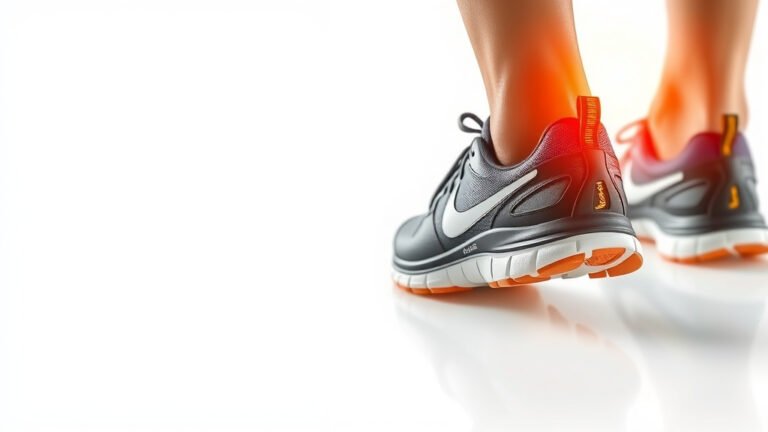
Common areas of concern include the Achilles tendon and calf muscles. This is due to the increased propulsion and different mechanics. Always listen to your body. If you feel unusual pain, stop and rest (Cleveland Clinic).
They Don’t Replace Good Habits
A carbon plate shoe is a piece of gear. It’s not a magic wand that will instantly make you faster or injury-free. Your running ability depends on consistent training, proper nutrition, adequate rest, and good form.
We found that relying too heavily on the shoe’s technology can be a mistake. It’s like using a fancy tool without knowing how to use it properly. The fundamentals of running training remain the most important factors.
How to Decide If They’re Right for You
So, how do you make the call? Consider these points:
Assess Your Current Running Level
Are you running consistently? Do you have a solid base of comfortable miles already? If you’re still working on running for 30 minutes without stopping, a carbon plate shoe might be overkill. It’s often best to build that foundation first.
What Are Your Running Goals?
Are you training for a specific race, or just running for fun and fitness? If you have performance goals and are looking for an edge, a carbon plate shoe could be a smart addition. If your goal is simply to enjoy your runs and stay healthy, a standard trainer might be perfectly adequate.
Listen to Your Body and Experts
If you do decide to try them, get fitted at a specialty running store. They can assess your gait and recommend models. Start slowly, as we discussed. We found that taking advice from professionals and paying attention to your body’s signals is key.
A Quick Checklist for Beginners Considering Carbon Plates
- Assess your current running consistency.
- Understand your personal running goals.
- Budget for the higher price point.
- Plan to ease into using them gradually.
- Prioritize proper running form regardless of shoe type.
- Consult with running store experts or a coach.
Ultimately, carbon plate shoes can be a rewarding addition to a beginner’s running arsenal. They offer a unique experience that can boost motivation and make runs feel more dynamic. Just remember to approach them with a balanced perspective, understanding their benefits and potential drawbacks. They are a tool to enhance your running, not a substitute for building a strong, healthy running habit.
Conclusion
Carbon plate shoes can offer beginners a fun and motivating boost. You might find they make your runs feel easier and more exciting. However, they aren’t a substitute for good running habits or proper form. We’ve found that the key is to approach them wisely, considering your budget and listening closely to your body. If you decide they’re right for you, start slowly and let them enhance, not replace, your training foundation. Your next step? Visit a local running store for a gait analysis and to try on a few models!
Frequently Asked Questions
Can a total beginner use carbon plate shoes right away?
We generally advise against it. While they can be motivating, jumping straight into carbon plate shoes might stress your body in new ways. It’s usually best to build a consistent running base with standard shoes first. Ease into them gradually once you have a comfortable running routine established.
Will carbon plate shoes make me faster without training?
Carbon plate shoes can improve running economy, which may lead to faster times. However, they do not replace the need for consistent training. You’ll see the best results when combining them with regular running practice and building your fitness.
How often should I wear my carbon plate shoes as a beginner?
As a beginner, start by wearing them for short, easy runs. Don’t use them for every single run. We found that incorporating them for one or two runs a week, perhaps for speed work or a faster-paced recovery run, is a good approach. Always listen to your body.
Are carbon plate shoes too stiff for beginners?
Some beginners might find them stiffer than traditional shoes. This stiffness is what provides the propulsive feel. If you’re new to running, your muscles and tendons might need time to adapt to this sensation. Gradual introduction is key to avoid discomfort or strain.
What’s a more affordable option if I want a similar feel?
Many brands offer shoes with advanced foam and a rockered geometry, which mimic some of the smooth rolling sensation of carbon plate shoes. These are often less expensive. Look for shoes labeled as “performance trainers” or those with highly responsive midsole foams.