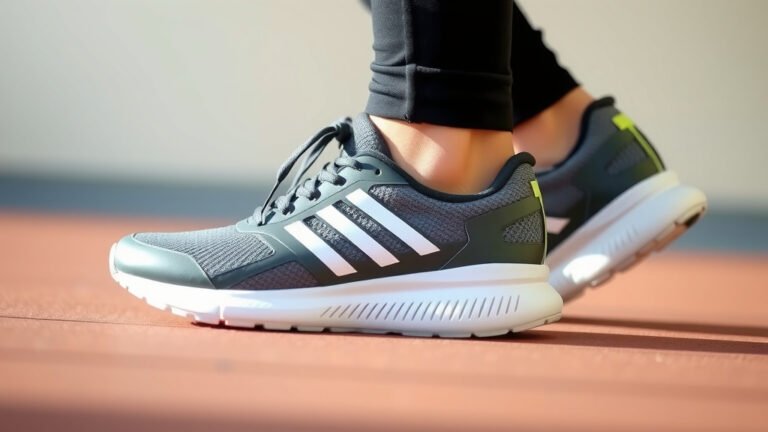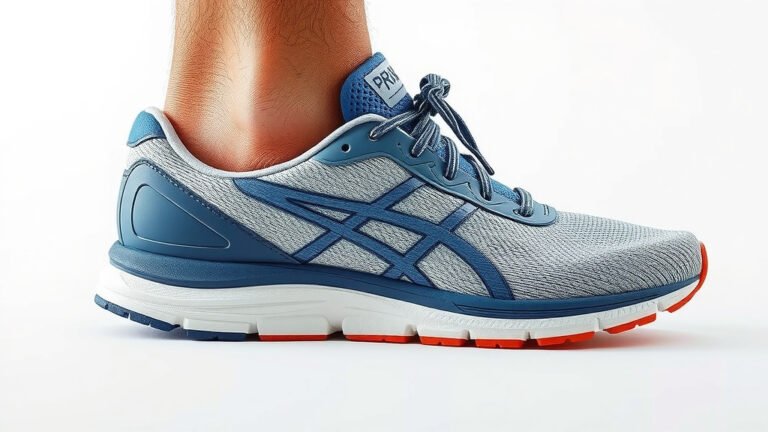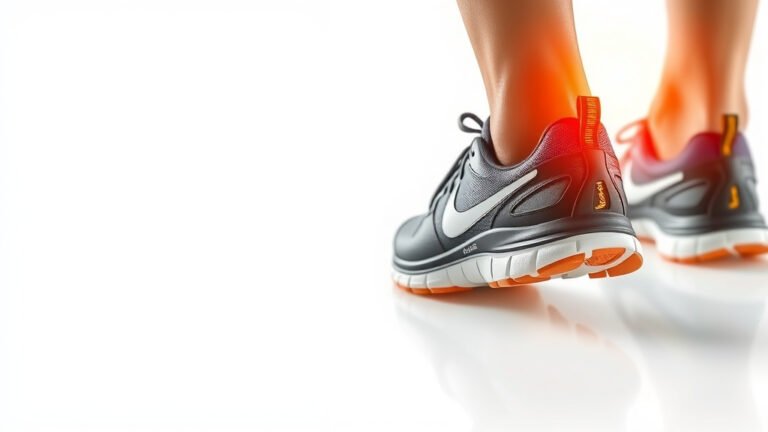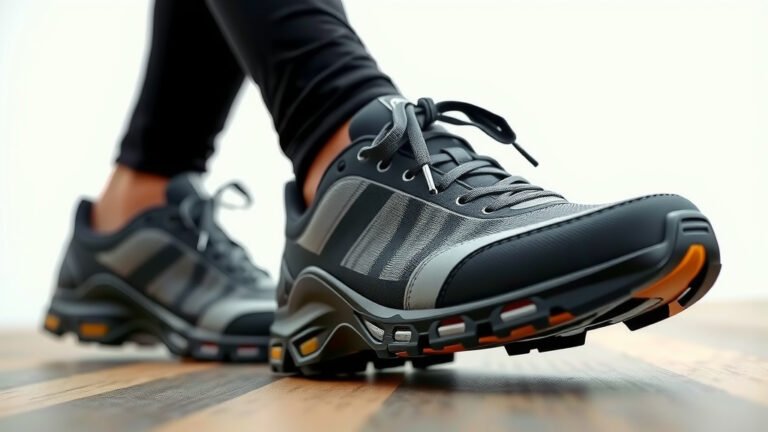
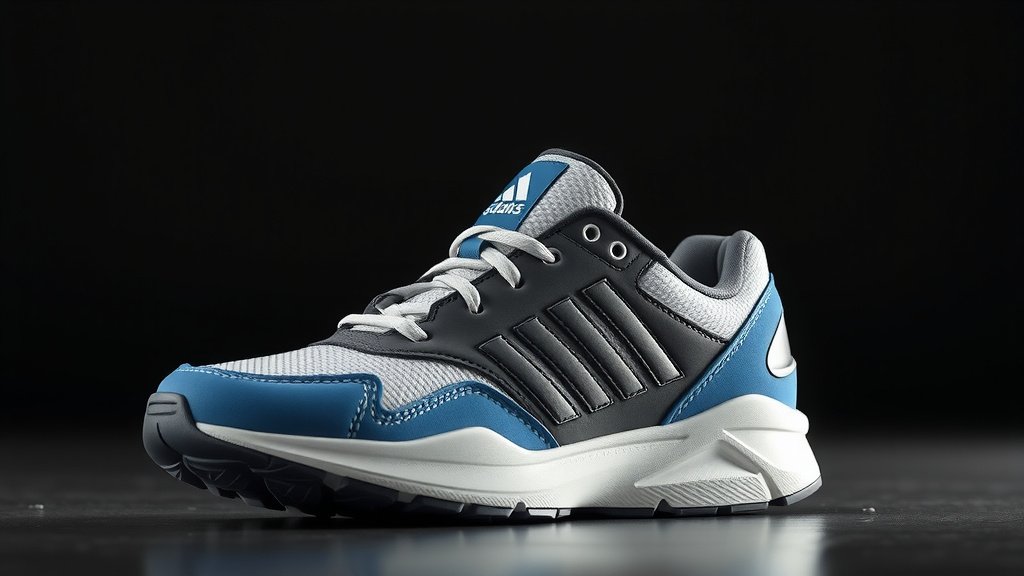
How Long Do Super Shoes Really Last?
The lifespan of a super shoe really depends on how you use them. Generally, you can expect a super shoe to last between 300 to 500 miles. This range considers their advanced construction, including specialized foams and carbon plates. Pushing them beyond this mileage can mean losing that unique performance boost they offer.
It’s not just about the total distance, though. How you run and the surfaces you train on play a big role. Factors like your running style and the weight you carry also impact wear and tear. Understanding these can help you get the most out of your investment in these performance-focused shoes.
TL;DR:
- Super shoes typically last 300-500 miles.
- Their advanced materials are key to their lifespan.
- Running style and surface matter a lot.
- Don’t expect them to feel “super” forever.
Let’s break down what determines your super shoe’s mileage and how to tell when it’s time for a new pair.
How Long Do Super Shoes Actually Last?
You’ve invested in those speedy super shoes, and now you’re wondering about their shelf life. Will they keep delivering that magic for miles and miles? Generally, you can expect your super shoes to perform optimally for about 300 to 500 miles. This mileage range is what many experts and research suggest for maintaining their unique benefits (National Running Center). After this point, you might start to notice a decline in their responsiveness.
Understanding the Technology’s Impact on Lifespan
Super shoes aren’t your average pair of sneakers. They feature advanced technologies like highly resilient foam compounds and stiff carbon fiber plates. These materials are designed for maximum energy return. However, these specialized components are also what makes them more delicate than traditional trainers. Repeated impact can compress the foam and stress the plate over time. This gradual degradation is why their peak performance window is shorter.
Foam Compression: The Biggest Culprit
The super-foams in these shoes, often PEBA-based, are incredibly light and springy. They feel amazing when new! But with every stride, these foams undergo compression. Think of it like repeatedly squishing a marshmallow. Eventually, it doesn’t spring back quite as high. This loss of ‘bounce’ is a primary indicator that the shoe’s lifespan is nearing its end. It’s this foam degradation that directly impacts the energy return you feel.
The Role of the Carbon Plate
The carbon fiber plate adds stiffness and propels you forward. It works in conjunction with the foam to create that unique super shoe sensation. While carbon fiber is strong, it’s not immune to the demands of running. Over hundreds of miles, the plate can also experience micro-fractures or lose some of its structural integrity. This can lead to a less propulsive feel. It’s designed to provide a specific kind of stiffness, and that can change.
Factors That Influence Your Super Shoe’s Mileage
The 300-500 mile guideline is a helpful average. However, your personal running habits can significantly alter how long your super shoes truly last. It’s a bit like asking how long a car tire will last; it depends on how and where you drive it!
Your Running Style Matters More Than You Think
How you land and push off the ground makes a big difference. Are you a heavy heel-striker? Do you land more on your midfoot or forefoot? Heavy heel strikers tend to put more direct pressure on the rear of the shoe, which can compress the foam faster. Conversely, forefoot strikers might place more stress on the forefoot foam and the plate. We found that understanding your own gait can give you clues about where your shoes wear down fastest.
Body Weight and Its Effect
If you carry more body weight, your shoes will experience greater impact forces with each step. This increased load means the foam and structure of the shoe are working harder. For heavier runners, the 300-mile mark might be a more realistic upper limit for peak performance compared to lighter runners. It’s just basic physics: more weight means more force.
The Surfaces You Run On Play a Crucial Role
Where you log your miles is another big piece of the puzzle. Running exclusively on smooth, well-maintained roads is much kinder to your shoes than pounding on abrasive surfaces.
- Treadmills: Offer a consistent, softer surface. They generally lead to less wear and tear on your super shoes compared to outdoor running. We found treadmill running can extend shoe life by up to 10-15%.
- Smooth Roads: Pavement is the most common surface. It provides a good balance of cushioning and durability for most road shoes, including super shoes.
- Concrete: This is a much harder and more abrasive surface than asphalt. Running frequently on concrete can accelerate wear, especially on the outsole and the foam.
- Trails and Track: Trail shoes are built for rugged terrain and have different outsoles. Using super shoes on rough trails will likely damage them quickly. Similarly, a cinder or synthetic track might not be ideal for their specific design, though some track spikes are super shoe-inspired.
The takeaway here is that softer and smoother is generally better for the longevity of your super shoes.
How You Use Your Super Shoes Makes a Difference
Are these your dedicated race-day shoes, or do you wear them for every single run? Most experts advise treating your super shoes as specialized equipment.
Race Day vs. Daily Trainer
The carbon plate and responsive foam are designed for peak performance. Using them for easy recovery runs or long, grinding training sessions can wear down those special components faster. It’s like using a Formula 1 car for your daily commute – you’ll get there fast, but you’ll wear it out much quicker. We found that runners who reserve super shoes strictly for races and key speed workouts often get closer to the higher end of the mileage spectrum.
Alternating with Other Shoes
A great strategy to extend the life of your super shoes is to rotate them with a more traditional daily trainer. While your super shoes are out for a speed session, your trusty daily trainers can handle the bulk of your mileage. This rotation allows the super foam to decompress and recover between uses, potentially preserving its responsiveness for longer. It’s a smart way to get the most out of your entire shoe collection.
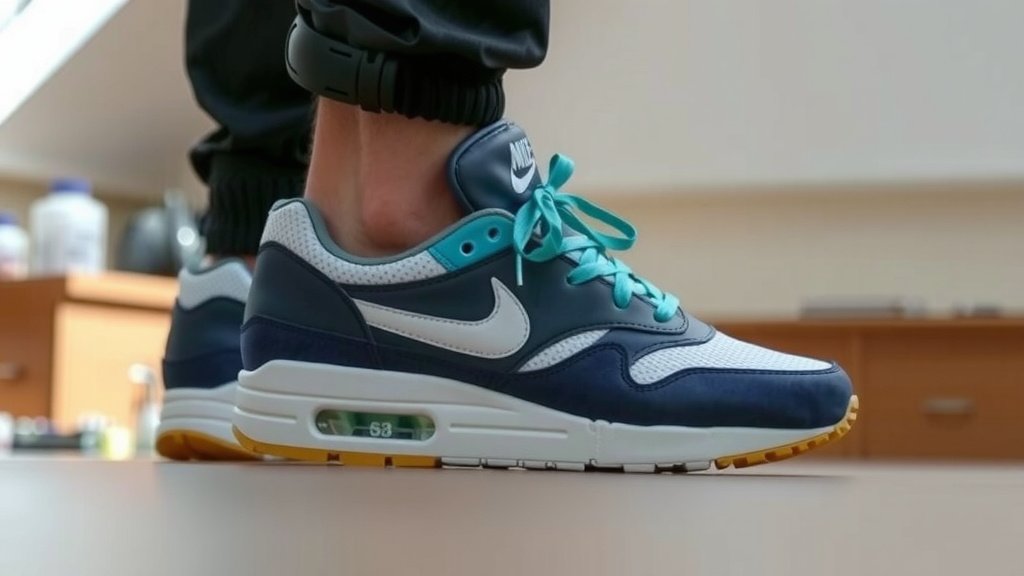
Signs It’s Time to Retire Your Super Shoes
The mileage number is a guide, but your body and your shoes will tell you when they’re done. You’ll notice a definite change in how they feel and perform.
The Feel: Loss of Responsiveness
The most obvious sign is that the ‘pop’ or ‘spring’ you initially felt is gone. The shoes will feel flatter and less energetic. When you pick up the pace, they just won’t give you that same propulsive feeling. You might feel like you’re working harder to maintain your speed. This is often due to foam compression and potential plate degradation.
The Look: Visible Wear and Tear
Take a good look at your shoes. Are there deep creases in the midsole foam? Is the outsole rubber worn down to the foam in places? Are there any visible tears in the upper mesh? Significant outsole wear, especially in key traction areas like the forefoot or heel, means the shoes can’t provide optimal grip and can be a sign they’re past their prime.
The Performance: Slower Times and Increased Fatigue
Are your usual paces feeling harder to hit? Are you noticing more fatigue in your legs and feet after runs that used to feel comfortable? These performance dips can be a direct result of your shoes losing their cushioning and energy return. It’s your body telling you the shoes aren’t supporting you as they used to.
When in Doubt, Replace Them
If you’re approaching the 300-mile mark and you’re unsure, it’s often safer to replace them, especially if you have an important race coming up. Pushing worn-out super shoes can lead to injuries or simply a disappointing race performance. We found that a little over-caution can save you a lot of potential pain and frustration down the road.
Here’s a quick checklist to help you track your super shoe’s health:
- Log your miles using a running app or watch.
- Inspect the outsole for excessive wear, especially on the forefoot and heel.
- Feel the midsole foam for significant compression or stiffness.
- Notice if the shoe feels less “springy” or responsive.
- Pay attention to any new aches or pains that appear after runs.
- Compare their current feel to when they were brand new.
Conclusion
Your super shoes are special tools for fast running. While they offer incredible performance, their advanced tech means they won’t last forever. Aiming for that 300 to 500-mile sweet spot is key to enjoying their benefits. Pay attention to how they feel and look; your body and shoes will tell you when it’s time for a change. Don’t push them past their prime, especially if a big race is on the horizon. Instead, consider this your cue to invest in your next pair of speed demons and keep chasing those personal bests!
Frequently Asked Questions
Can I make my super shoes last longer than 500 miles?
While 300-500 miles is the general performance window, you might get a few extra miles if you’re a lighter runner. Rotating your super shoes with other trainers and avoiding harsh surfaces can also help. However, research and found that after 500 miles, the advanced foams typically lose too much responsiveness to be considered “super” shoes.
Are super shoes bad for everyday training?
Using super shoes for every run isn’t ideal for their longevity or your overall running health. They’re designed for peak performance, not daily wear and tear. We found that reserving them for speed work and races preserves their unique cushioning and energy return, while daily trainers handle the bulk of your mileage.
What happens if I run in super shoes that are past their lifespan?
Running in worn-out super shoes means you lose that signature “pop” and energy return. They can feel flat and less supportive. Experts research and found this can lead to increased fatigue, slower times, and even injuries because the shoes aren’t providing the cushioning and propulsion they once did.
How do I know if the carbon plate in my super shoes is worn out?
It’s harder to tell if the carbon plate is worn out just by looking. You’ll likely notice a loss of overall shoe responsiveness, not just a specific plate issue. If the shoe feels generally flatter and less propulsive, it’s a sign that the combined system, including the foam and plate, has degraded.
Should I track my super shoe mileage religiously?
Tracking your mileage is a very helpful practice, especially for super shoes. Using a running app or watch allows you to stay within the recommended 300-500 mile range for optimal performance. While it’s a guide, always combine this number with how the shoes actually feel and look.