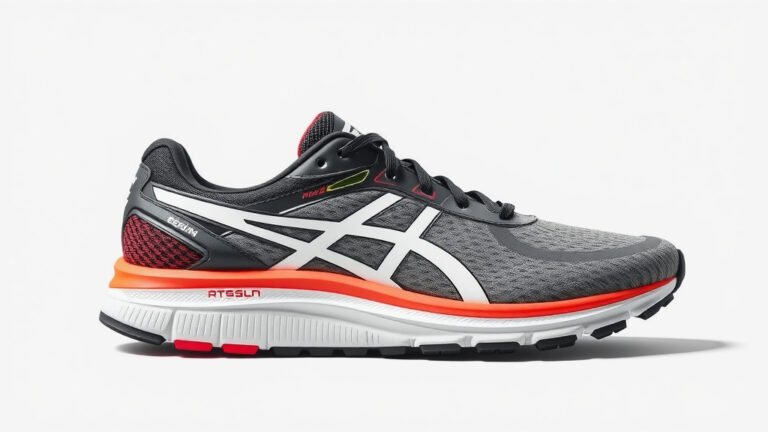
Choosing Running Shoes for Overpronation: A 2026 Guide
Choosing the right running shoes for overpronation means looking for shoes that offer extra support and motion control. These shoes help guide your foot through a more neutral motion, reducing the stress on your joints. The goal is to find a pair that feels comfortable and prevents your ankle from rolling inward too much when you run. You want to feel stable, not stiff.
Overpronation can sometimes lead to discomfort or injury if your footwear doesn’t provide the right kind of help. We found that many runners benefit from shoes specifically designed for this foot type. They help distribute pressure more evenly and protect your arches. Finding the best pair ensures a more enjoyable and safer running experience for you.
- Look for motion control or stability features.
- Prioritize shoes with good arch support.
- Ensure a comfortable, secure fit.
- Consider seeking professional advice.
Ready to find your perfect pair? Let’s walk through exactly what to look for and how to make the best choice for your overpronating feet.
Finding the Right Running Shoes for Your Overpronating Feet
When your feet tend to roll inward a bit too much as you run, it’s called overpronation. Choosing the correct running shoes can make a huge difference. We’ve found that the right pair acts like a helpful guide for your feet. It helps keep them moving straighter. This can reduce stress on your ankles, knees, and hips. You want shoes that offer support without feeling stiff or uncomfortable.
Understanding Overpronation and What Your Feet Need
So, what exactly is overpronation? It’s when your foot arch collapses slightly inward after your heel strikes the ground. This is very common. Many people have this foot motion. Research shows that a flexible arch and a flat foot can contribute to overpronation (American Academy of Podiatric Sports Medicine). The goal with your running shoes is to counteract this inward roll. You need something to gently guide your foot. You’re looking for stability and a bit of control.
What to Look for: Key Shoe Features
When you’re shopping, keep an eye out for specific features. These are designed to help overpronators. Think of them as your shoe’s support system. They work to keep your stride balanced.
Stability and Motion Control
These two terms are often used interchangeably, but there’s a slight difference. Stability shoes are great for mild to moderate overpronation. They offer a good balance of cushioning and support. Motion control shoes are for more severe overpronation. They provide maximum support and are often firmer. Many experts recommend starting with a stability shoe unless your pronation is quite pronounced (Cleveland Clinic).
Arch Support is Your Friend
Overpronators often have lower arches or flat feet. Shoes with good built-in arch support are essential. This helps to cushion the foot and provide a stable base. It prevents your arch from collapsing too much. You’ll feel a difference in comfort and alignment.
Cushioning: Not Too Much, Not Too Little
While support is key, cushioning still matters. You need enough to absorb impact. This protects your joints from the pounding of running. However, too much soft cushioning can sometimes reduce stability. We found that a balanced level of cushioning is ideal. It should feel responsive, not mushy.
The Midsole: Where the Magic Happens
The midsole is the thick layer between the upper and the outsole. This is where most of the support technology is built. Look for shoes that have a dual-density midsole. This means there are two different types of foam. Often, a firmer foam is placed on the inside edge of the shoe. This helps to slow down or prevent that inward rolling motion. It’s like having a little hand gently guiding your foot.
How to Test if a Shoe is Right for You
Trying on shoes is more than just slipping them on. You need to give them a real test run, even if it’s just a short jog in the store. How do they feel underfoot? Are there any pinching spots? Does your heel feel secure, or is it slipping? These are important questions to ask yourself.
The Wet Footprint Test (A Quick Check)
This is a simple way to get an idea of your arch type. Get your feet wet and step onto a piece of cardboard or a paper bag. If you see most of your foot, you likely have flat feet and may overpronate. If you only see your heel and the ball of your foot, you probably have a high arch. A normal arch will show a distinct curve along the inside of your foot. This test is a starting point, but not a definitive diagnosis.
Walk and Jog in Them
The best way to know is to feel it. Walk around the store. If possible, do a short jog. Do your feet feel supported? Does the shoe feel stable when you push off? Listen to your body. You shouldn’t feel any immediate discomfort. If a shoe feels “off” right away, it’s probably not the one for you. Trust your gut feeling.
When to Seek Professional Help
Sometimes, choosing the right shoe can be tricky. If you’re unsure or experiencing pain, a little expert advice goes a long way. Many specialty running stores have staff trained to analyze your gait. They can watch you walk or run. They’ll help you find shoes that match your foot type. For persistent pain or concerns, a podiatrist is your best resource. They can offer a medical evaluation and personalized recommendations.
Why a Specialty Running Store Matters
These stores are fantastic resources. The staff are often runners themselves. They understand the biomechanics of running. They have a wide selection of brands and models. They can measure your feet and observe your stride. We found that this personalized attention can prevent costly mistakes. It helps you find a shoe that truly fits your needs.
What a Podiatrist Can Do
A podiatrist can diagnose the root cause of any discomfort. They might suggest specific exercises or orthotics. They can also provide a professional opinion on the best shoe types for your condition. This is especially helpful if you have tried multiple shoes without success. Their guidance can be incredibly beneficial.
Your Running Shoe Checklist for Overpronation
Here’s a quick rundown to help you remember what to look for on your next shoe shopping trip:
- Stability or Motion Control: Choose shoes designed for overpronation.
- Good Arch Support: Ensure the shoe supports your arch comfortably.
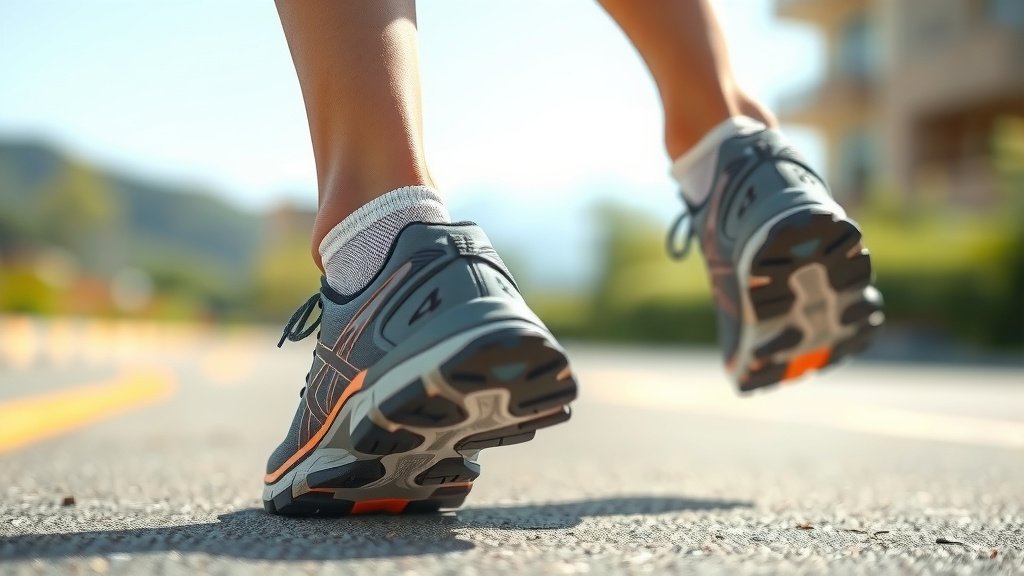
- Firm Heel Counter: This part cups your heel and prevents excessive movement.
- Straight or Semi-Curved Last: The “last” is the mold the shoe is built on; straighter or semi-curved is generally better for overpronators.
- Try Them On: Always test them out with a walk or short jog.
- Seek Advice: Don’t hesitate to ask store staff or a podiatrist.
Conclusion
You’ve learned that choosing the right running shoes for overpronation is about finding that perfect balance of support and comfort. We’ve seen that focusing on stability, good arch support, and the right cushioning in the midsole can make a big difference. Don’t hesitate to use the wet footprint test as a starting point, but trust how the shoes feel on your feet. Your next step is to visit a specialty running store or consult a professional if you’re still unsure.
Finding the right pair will help you run more comfortably and safely. You’ve got this!
Frequently Asked Questions
How do I know if I need motion control or stability shoes?
If you have mild to moderate overpronation, stability shoes are usually a great starting point. For more severe inward rolling of your foot, motion control shoes offer maximum support and a firmer feel. When in doubt, store staff can help assess your needs.
Can I just wear any supportive shoe for overpronation?
While general support is good, running shoes for overpronation have specific features like dual-density midsoles and firmer heel counters. These are designed to guide your foot’s motion more effectively. A shoe built for running will perform better than a casual supportive shoe.
How important is cushioning for overpronators?
Cushioning is important for absorbing impact, but for overpronators, it needs to be balanced. Too much soft cushioning can sometimes decrease stability. You want responsive cushioning that still allows you to feel connected to the ground and supported.
What if I feel discomfort even with the “right” shoes?
If you experience discomfort or pain after trying shoes designed for overpronation, it’s time to seek professional help. A podiatrist can diagnose underlying issues. Specialty running stores can also re-evaluate your gait and suggest different models.
How often should I replace my running shoes for overpronation?
Just like regular running shoes, those designed for overpronation typically last between 300-500 miles. Look for signs of wear, like flattened cushioning or worn-out treads. The midsole’s support can break down over time, even if the shoe looks okay externally.