Best Shoes for a Half Marathon in 2026
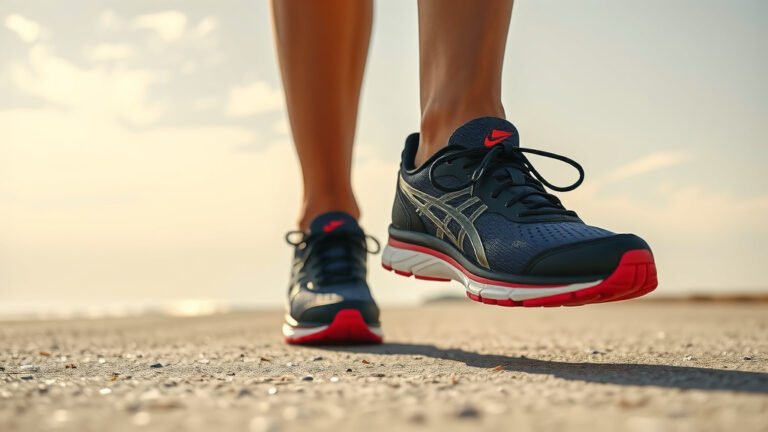
Choosing the right shoes for your half marathon is all about finding the perfect blend of cushioning and support. You need a shoe that feels comfortable from mile one to mile thirteen. The best half marathon shoes will help prevent blisters and keep your feet happy.
Many runners focus on finding a lightweight shoe. But we found that durability and a good fit are often more important. Your choice can impact your performance and recovery. Think about the terrain you’ll be running on too. This will help you narrow down your options.
TL;DR:
- Look for shoes with good cushioning.
- Supportive shoes help prevent injuries.
- A proper fit is more important than weight.
- Consider the race day terrain.
- Break in new shoes before race day.
Let’s walk through exactly what makes a shoe great for hitting that half marathon distance.
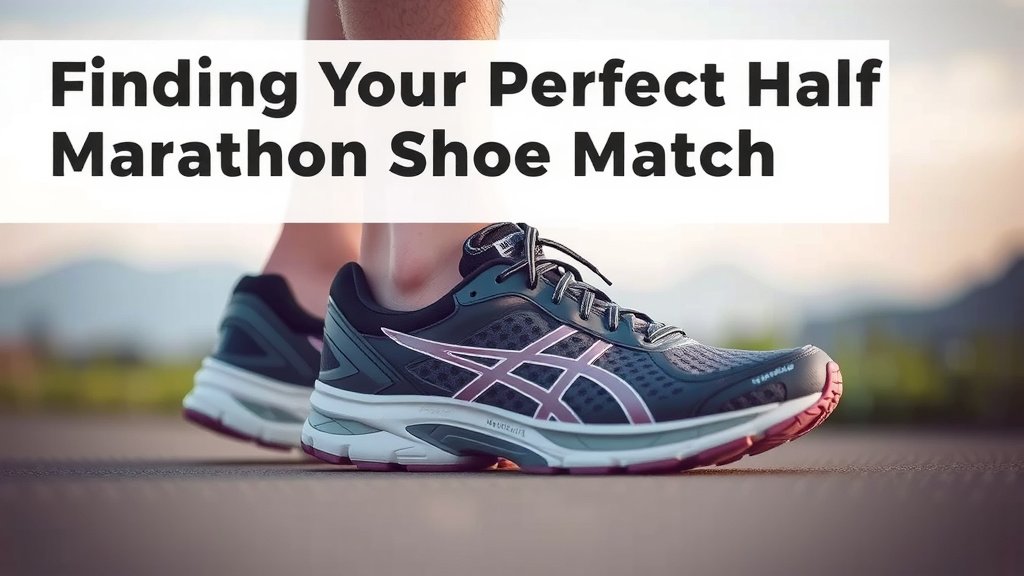
Finding Your Perfect Half Marathon Shoe Match
Selecting the right shoes for your half marathon is like choosing a race day partner. You want them to be reliable, comfortable, and ready for the challenge. We’ve researched what runners look for and what experts recommend. Your shoe choice directly impacts your race day experience and post-race recovery. Let’s dive into the key features you should consider.
Understanding Shoe Anatomy for Runners
Before picking a pair, it helps to know a little about shoe parts. This way, you can discuss your needs better with store staff or when reading reviews. Understanding these components will guide your decision-making process.
The Upper: Your Shoe’s Hug
The upper is the part of the shoe that covers your foot. It’s usually made of mesh or knit materials. Good uppers offer breathability. This keeps your feet cool and dry over long distances. They also need to be flexible enough to move with your foot. Some uppers have overlays for added structure. These can help secure your foot in place.
The Midsole: Where the Magic Happens
This is the cushioning layer between the upper and the outsole. It absorbs impact from every step. The midsole is critical for comfort. It can also provide stability. Materials like EVA foam are common. Some brands use proprietary foams for better energy return. The amount and type of cushioning matter a lot.
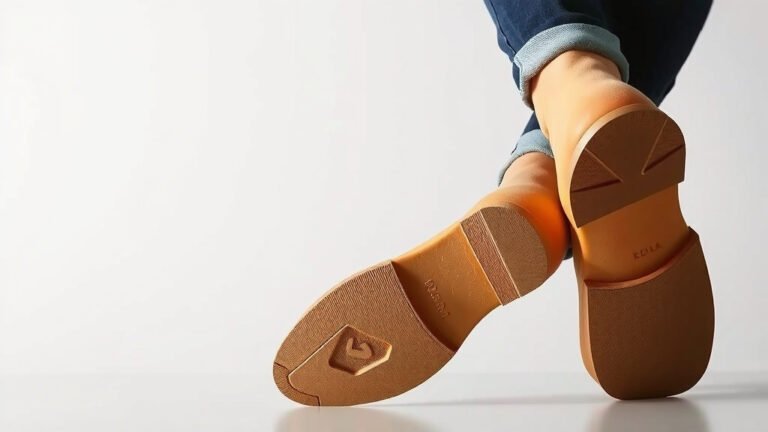
The Outsole: Your Grip on the Road
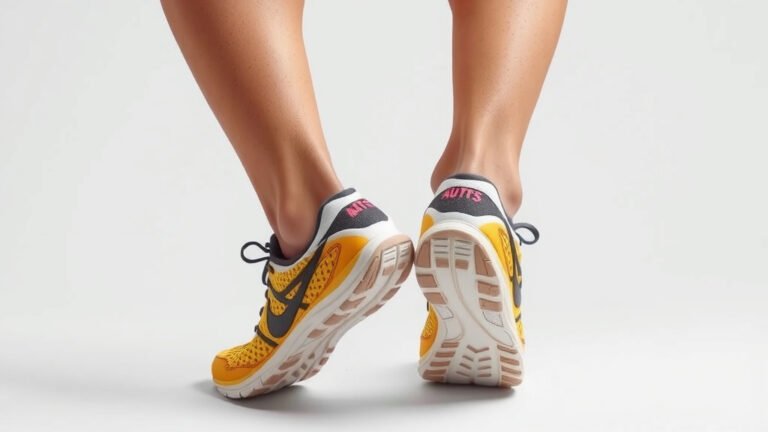
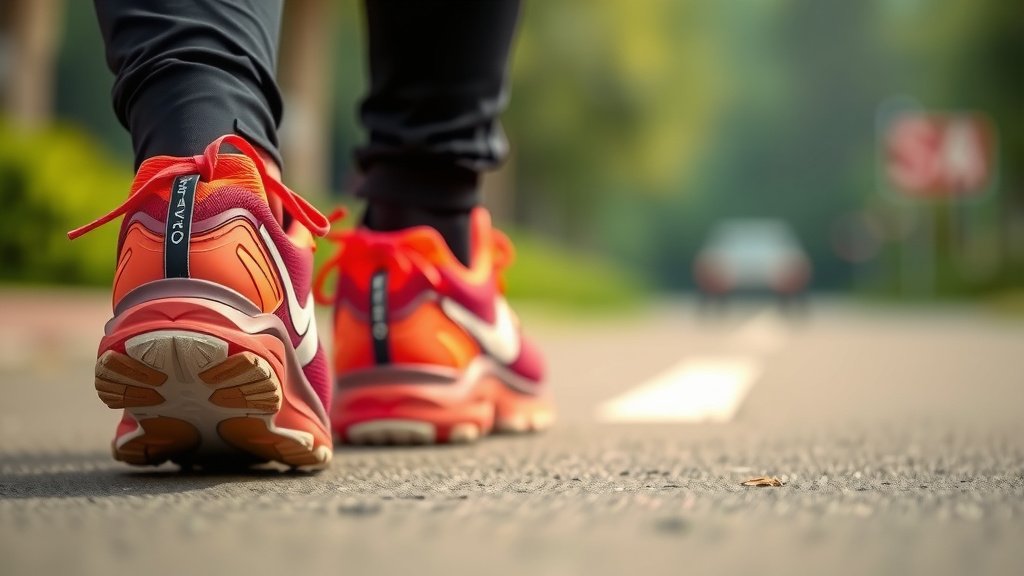
The outsole is the bottom layer of the shoe. It touches the ground. It provides traction and durability. Outsoles are often made of rubber. Different tread patterns offer varied grip. For road races, you typically want a smoother outsole. This helps with a fluid stride. Trail shoes have deeper lugs for grip on uneven surfaces.
Key Shoe Features for Half Marathon Success
Now that you know the parts, let’s talk about what makes a shoe great for a 13.1-mile run. It’s not just about brand names or fancy colors.
Cushioning: Your Impact Buffer
This is arguably the most important factor for a half marathon. You’ll be on your feet for a couple of hours. Adequate cushioning helps reduce fatigue. It also protects your joints from the repetitive impact of running. You don’t want to feel every pebble underfoot.
- Plush Cushioning: Offers a softer ride. Great for comfort over long distances.
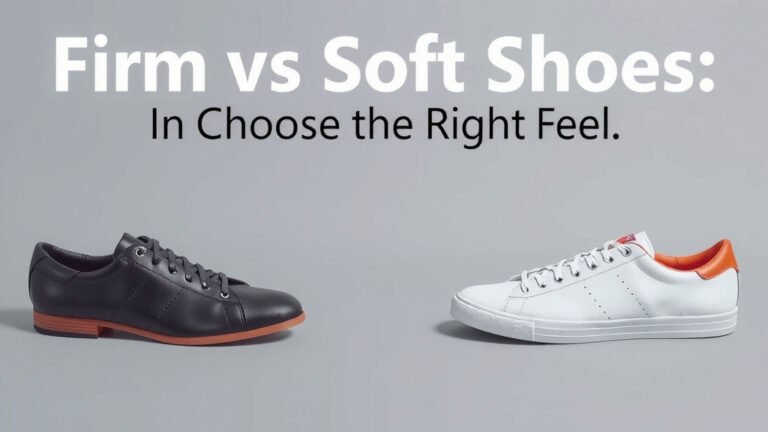
- Responsive Cushioning: Feels firmer. Provides more energy return for a snappier feel.
Many research studies suggest that sufficient cushioning can help prevent common running injuries. (NCBI).
Support: Keeping You Aligned
Shoe support refers to how the shoe helps control your foot’s motion. This is often related to your arch type and pronation. Pronation is the natural inward roll of your foot. Some runners overpronate (roll too far inward). Others supinate (roll outward). Understanding your foot type helps you choose the right support.
- Neutral Shoes: For runners with a neutral gait or supination. They offer cushioning without extra stability features.
- Stability Shoes: For mild to moderate overpronators. They have features like guide rails or medial posts to help control pronation.
- Motion Control Shoes: For severe overpronators. These offer maximum support and are usually heavier.
Many runners find that the correct support shoe significantly reduces aches and pains.
Fit: The Non-Negotiable Element
A shoe that doesn’t fit properly can lead to blisters, hot spots, and even injury. It’s essential to try shoes on. Your feet swell during a run. So, shoes should feel comfortable even with that swelling. Make sure there’s about a thumb’s width of space between your longest toe and the end of the shoe.
We found that shoe length is critical, but width matters too. If a shoe feels too tight across the ball of your foot, look for a wider size. Many brands offer shoes in multiple widths (narrow, regular, wide, extra-wide).
Weight: The Balance Act
While lighter shoes can feel faster, they often sacrifice cushioning and durability. For a half marathon, we found that a balance is best. You want a shoe that feels light enough not to hold you back, but robust enough to handle the mileage.
Durability: Lasting the Distance (and Beyond)
A good pair of running shoes should last between 300-500 miles. For a half marathon, you’ll want shoes that are in good condition. Don’t plan to run your race in brand new shoes. Break them in first!
Choosing Shoes Based on Terrain
Where will you be running your half marathon? The course can influence your shoe choice.
Road Races: Smooth Sailing
Most half marathons are run on pavement or well-maintained paths. For these, you’ll want shoes designed for the road. They typically have flatter, smoother outsoles. This provides efficient energy transfer and a comfortable ride on hard surfaces.
Trail Races: The Off-Road Adventure
If your half marathon involves dirt trails, gravel, or technical terrain, you’ll need trail running shoes. These have aggressive tread patterns for superior grip. They also offer more protection from rocks and roots.
Your Half Marathon Shoe Checklist
Before you head out to shop, keep this simple checklist in mind:
- Comfort is King: Does the shoe feel good the moment you put it on?
- Proper Fit: Is there enough room in the toe box? Is the width right?
- Adequate Cushioning: Can you feel the protection underfoot?
- Appropriate Support: Does it match your pronation needs?
- Breathability: Will your feet stay relatively dry?
- Slightly Broken-In: Never race in brand-new shoes.
Conclusion
You’ve learned that picking the right half marathon shoes is a thoughtful process. It’s about finding that perfect balance of cushioning and support that works for your unique feet. Remember, comfort is king, and a proper fit is absolutely non-negotiable. Don’t let shoe weight be your deciding factor; durability and how they feel mile after mile are more important. We found that breaking in new shoes before race day is key to avoiding discomfort. Now, your next step is to visit a running store, try on a few pairs, and trust your feet to guide you. Happy running!
Frequently Asked Questions
How much cushioning do I really need for a half marathon?
For a half marathon, adequate cushioning is essential to absorb impact and reduce fatigue over 13.1 miles. You want enough to feel comfortable and protected without feeling like you’re sinking into the shoe. Many runners find that a medium to plush level of cushioning offers the best blend of comfort and responsiveness for this distance.
Can I use my everyday running shoes for a half marathon?
If your everyday running shoes are relatively new, fit well, and offer the cushioning and support you need, they might be suitable. However, it’s wise to check their mileage. If they are close to 300-500 miles, it’s best to get a fresh pair. Always break in any new or old shoes for a few runs before race day.
How do I know if I need stability shoes for my half marathon?
You likely need stability shoes if you tend to overpronate, meaning your foot rolls inward excessively after landing. If you notice uneven wear on the inside edges of your old running shoes or experience pain in your arches, shins, or knees, a stability shoe can help guide your foot alignment.
What’s the difference between road running shoes and trail running shoes for a half marathon?
Road running shoes have smoother, flatter outsoles for consistent grip on pavement and offer good cushioning for hard surfaces. Trail running shoes have more aggressive tread patterns for grip on dirt, mud, and rocks, along with protective features against trail hazards. Choose based on the primary terrain of your race.
Should I buy my half marathon shoes a half size bigger?
It’s a good idea to consider a slightly larger size, especially if your feet tend to swell during longer runs. Aim for about a thumb’s width of space between your longest toe and the end of the shoe. Trying them on later in the day, when your feet might be a bit swollen, can help you find the perfect fit.