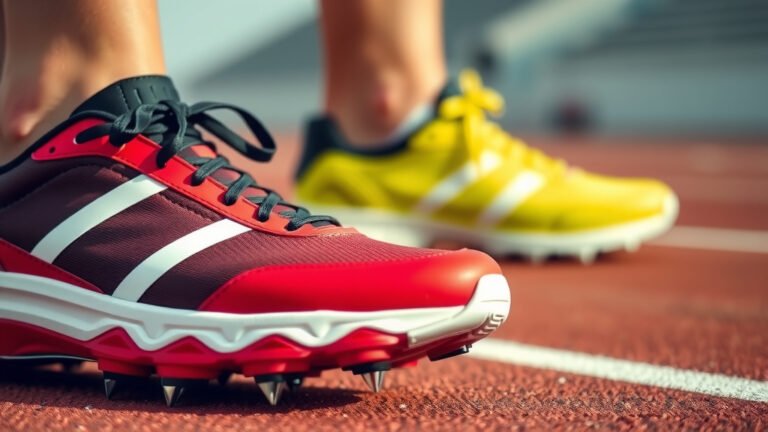

Best Ultramarathon Shoes: Your Ultimate Guide
Choosing the right shoes for an ultramarathon is about finding the perfect balance between comfort, protection, and grip. You need shoes that can handle long distances and varied terrain without causing blisters or fatigue. Look for options with ample cushioning, a secure fit, and durable outsoles.
While trail running shoes are generally recommended, the exact best shoe depends on your personal needs and the specific race conditions. We found that factors like foot strike, ankle support preferences, and even the amount of rain expected play a big role. It’s a personal choice, but some features are universally beneficial for ultra distances.
- Cushioning is key for comfort over many miles.
- A secure fit prevents blisters and hot spots.
- Durable outsoles provide necessary grip.
- Consider the terrain and weather forecast.
- Personal preference is the most important factor.
Let’s dive into the specific features and types of shoes that will help you conquer that ultra.
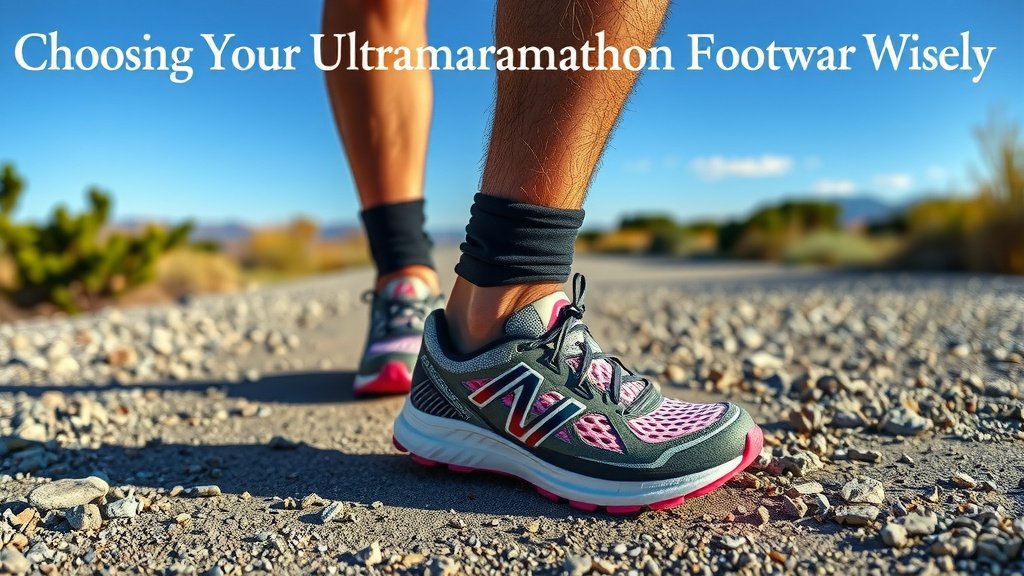
Choosing Your Ultramarathon Footwear Wisely
Selecting the right shoes for an ultramarathon is a decision that can make or break your race. You need footwear that offers exceptional comfort, reliable protection, and dependable traction over many miles. We’ve found that the best shoes for ultras often share common traits, but the ideal pair is truly personal.
Understanding the Demands of Ultramarathons
Unlike shorter races, ultras push your body, and especially your feet, to their absolute limits. You’ll be on your feet for hours, potentially days. This means you need shoes designed for endurance, not just speed. Think of your feet as engines that need consistent fuel and protection for a very long haul.
Terrain Variety is Key
Ultramarathons can take you through a wild mix of environments. One moment you might be on a smooth dirt path, the next scrambling over rocky trails or slogging through mud. Your shoes need to handle this variety. A shoe that performs brilliantly on dry, packed dirt might struggle on loose scree or wet roots. We found that considering the expected terrain is a top priority for many ultra runners.
Distance and Time on Feet
The sheer distance is the obvious factor. But just as important is the time you’ll spend moving. More time on your feet means more opportunities for blisters, hot spots, and general discomfort. Your shoes must provide sustained comfort and support throughout this extended period. Experts often note that over-the-distance cushioning is critical (ACSM).
Essential Shoe Features for the Long Haul
When you’re looking at shoe specifications, a few features stand out for ultramarathon suitability. These are the building blocks of a great ultra shoe, helping you stay comfortable and safe.
Cushioning: Your Best Friend for Miles
This is arguably the most important feature. Ultramarathon shoes need plenty of cushioning. This absorbs the impact of your feet hitting the ground, mile after mile. Less impact means less fatigue and less stress on your joints. We’ve found that runners often prefer shoes with a softer, more forgiving feel for ultras.
Types of Cushioning
You’ll see different cushioning technologies. Some shoes use plush foams that feel like running on clouds. Others offer a firmer, more responsive cushioning. For ultras, a balance is often sought: enough softness for comfort, but not so much that you feel disconnected from the ground or like you’re sinking. Research by sports podiatrists suggests that adequate midsole cushioning can help reduce the load on your lower extremities (Journal of Sports Science and Medicine).
Fit and Security: Preventing Blisters and Slippage
A shoe that fits poorly is a recipe for disaster on an ultra. Your feet will swell over long distances, so a shoe that feels perfect at mile zero might feel too tight at mile fifty. You need a shoe that can accommodate slight swelling while still feeling secure. A sloppy fit leads to friction, and friction leads to blisters.
Lacing Systems and Heel Locks
Look for shoes with a robust lacing system that allows for fine-tuning. Some shoes offer extra eyelets for a more secure heel lock, preventing your heel from lifting. This is especially important on uneven terrain where your foot might slide forward and backward in the shoe. Many ultra runners experiment with different lacing techniques to find what works best for them.
Toe Box Room
Ensure there’s enough room in the toe box. As your feet swell, your toes need space to splay naturally. Jamming your toes into a narrow shoe is a common cause of black toenails and discomfort. We found that a wider toe box is a feature many experienced ultra runners prioritize.
Outsole and Traction: Gripping the Trail
The outsole is your shoe’s connection to the earth. For ultramarathons, especially on trails, you need dependable grip. This means a durable rubber compound and a lug pattern designed for the terrain you’ll encounter.
Lug Depth and Pattern
Deeper, more aggressive lugs are great for soft, muddy, or loose terrain, as they dig in for better traction. For firmer trails, shallower, multi-directional lugs might offer a better balance of grip and durability. Some shoes are designed with specific trail types in mind, so consider where your race will take place.
Durability of the Rubber
You want a rubber compound that is tough enough to withstand hundreds of miles of abrasion. Some high-performance rubbers offer incredible grip but wear out quickly. For ultras, a slightly less sticky but more durable rubber is often a better trade-off. You don’t want your outsole wearing down before you cross the finish line.
Trail Shoes vs. Road Shoes for Ultras
While it might seem obvious, it’s worth stating: for most ultramarathons, trail running shoes are the way to go. Why? They are built with the features we’ve discussed: aggressive outsoles, more durable uppers, and often better protection from rocks and roots.
When Road Shoes Might Be Considered
Occasionally, an ultramarathon might be almost entirely on pavement or very smooth, packed dirt paths. In such rare cases, a highly cushioned road shoe could be an option. However, even then, the increased durability and protection of a trail shoe are often still preferred. We found that most ultra runners stick to trail shoes unless the course is exceptionally uniform.
Gore-Tex and Water Resistance: A Double-Edged Sword
Many trail shoes come in a waterproof version, often featuring Gore-Tex. This can be a lifesaver if you anticipate cold water crossings or prolonged rain. Your feet will stay dry, which helps prevent blisters. However, there’s a downside.
The Downsides of Waterproofing
Once water does get into a waterproof shoe (over the top, for instance), it has a harder time getting out. This can lead to waterlogged, heavy shoes. Additionally, waterproof shoes tend to be less breathable, potentially making your feet hotter and sweatier in dry conditions. Many runners find that non-waterproof shoes, which drain and dry faster, are preferable, especially in warmer climates. We found that race conditions and personal preference heavily influence this decision.
Quick Checklist for Your Ultra Shoe Search
Before you head out to try on shoes, keep these key points in mind:
- Look for ample cushioning for long-distance comfort.
- Ensure a secure but not constricting fit.
- Prioritize good traction with durable outsole lugs.
- Consider the specific terrain of your ultramarathon.
- Test shoes with the type of socks you’ll wear.
- Don’t be afraid to try on many different brands and models.
Conclusion
Choosing the right ultramarathon shoes is a deeply personal journey. Remember, it’s about finding that perfect harmony between your feet, the terrain, and the immense distance you’ll cover. Prioritize ample cushioning for comfort and a secure fit to ward off blisters. Always consider the specific trails and expected conditions you’ll face. Don’t rush the process; try on many pairs with your race socks. Your feet will thank you for this thoughtful preparation on race day. So, lace up, trust your choices, and go conquer that ultra!
Frequently Asked Questions
How much cushioning do I really need in an ultramarathon shoe?
For ultras, you’ll want a shoe with generous cushioning. This is your primary defense against impact fatigue over many miles. Aim for a balance: enough softness for comfort, but not so much that you feel disconnected from the trail.
Can I use my regular road running shoes for an ultramarathon?
Generally, no. Ultramarathons often involve varied and rugged terrain. Trail running shoes offer better traction, durability, and protection against rocks and roots than most road shoes. Stick to trail shoes unless your ultra is exclusively on pavement.
How important is the tread pattern on trail shoes for ultras?
The tread pattern, or lugs, is very important for grip and stability. Deeper, more aggressive lugs are better for soft or muddy conditions. For drier, harder trails, a multi-directional pattern offers a good balance of traction and wear.
Should I worry about my feet swelling during an ultramarathon?
Yes, foot swelling is common during long-distance events. You need shoes that offer a secure fit without being constricting. Look for a roomy toe box that allows your toes to splay naturally as your feet expand.
Is a waterproof shoe (like Gore-Tex) always better for ultras?
Waterproof shoes can be great for keeping feet dry in wet conditions. However, they can also trap moisture and heat, and they drain slowly if water gets in from the top. Many runners prefer non-waterproof shoes that dry faster, especially in warmer races.