Choosing the Right Track Running Shoes: A Guide
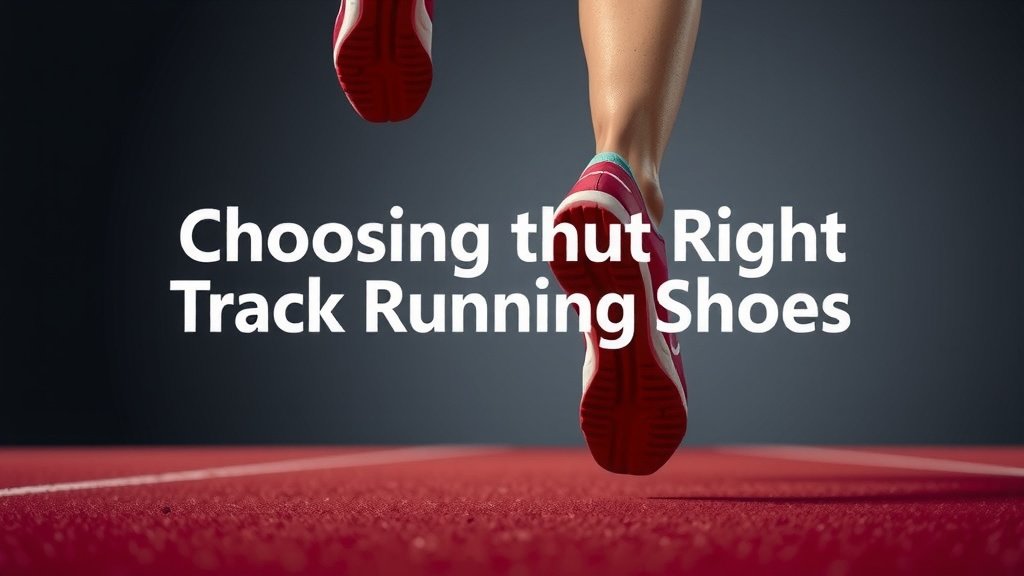
Choosing the right shoes for track running is all about finding a balance between lightweight speed and proper cushioning. For most track workouts and races, you’ll want a pair of track spikes designed for your specific event, like sprints or distance running. If you’re just starting or focusing on longer, slower jogs on the track, a pair of lightweight, well-cushioned running shoes can also work well.
The key is to match your footwear to the intensity and type of running you’re doing. Track spikes offer aggressive grip for explosive power on the track surface. Standard running shoes provide more support and comfort for sustained efforts. We found that many runners benefit from having both types available for different training days.
- Track spikes are best for races and speed work.
- Choose spikes based on your running event (sprints, distance).
- Lightweight running shoes work for warm-ups and easier jogs.
- Consider cushioning and support needs for your training.
Let’s get into the specifics of what makes a great track shoe for you.
Choosing the Right Track Running Shoes for You
Picking the perfect shoes for track running can make a huge difference. It’s about finding that sweet spot between being light and fast and having enough support. Most of the time, you’ll want specialized track spikes. These are built for speed and grip on the track surface. But if you’re just getting started or doing longer, slower runs, a lighter pair of regular running shoes can work great.
Think of your shoes like the engine for your running. The right pair helps you perform better and stay injury-free. We found that many runners benefit from having both spikes and regular running shoes for different types of workouts.
Understanding Different Types of Track Shoes
Track running shoes fall into a couple of main categories. Each is designed with a specific purpose in mind. Knowing the difference helps you make the best choice for your training.
Track Spikes: The Speed Demons
Track spikes are your go-to for races and high-intensity speed workouts. They have a rigid sole with small, sharp pins or spikes on the bottom. These dig into the track surface. This gives you incredible traction and helps you propel forward with maximum force. They are super lightweight, almost like a second skin. You’ll feel fast and connected to the ground. But, they offer very little cushioning. They aren’t meant for everyday training or long, comfortable jogs. They are built for short bursts of speed and explosive power.
Sprint Spikes
These are built for events from 60 meters up to 400 meters, including hurdles. Sprint spikes have a stiff, plate-like sole. This provides a very solid base for explosive takeoffs. The spike plate is often shorter and stiffer. This allows for a more direct transfer of power. You’ll find fewer spike receptacles, usually just in the forefoot. This keeps them ultra-light for maximum speed.
Middle-Distance Spikes
For events like the 800m or 1500m, you need a balance. Middle-distance spikes are lighter than distance spikes but offer a bit more cushioning. They have a slightly more flexible plate than sprint spikes. This helps with sustained pace over a longer distance. The spike plate extends further back under the foot. This offers a bit more support and stability for longer efforts.
Distance Spikes
When you’re running 3000m, 5000m, or even a 10,000m on the track, you need distance spikes. These are the most flexible of the spike types. They offer more cushioning than their shorter-distance counterparts. This is vital for comfort over many laps. The spike plate is often more curved. This helps with a smoother, more efficient stride over long distances. They still have spikes for grip, but the overall feel is less aggressive.
Lightweight Running Shoes: The Versatile Option
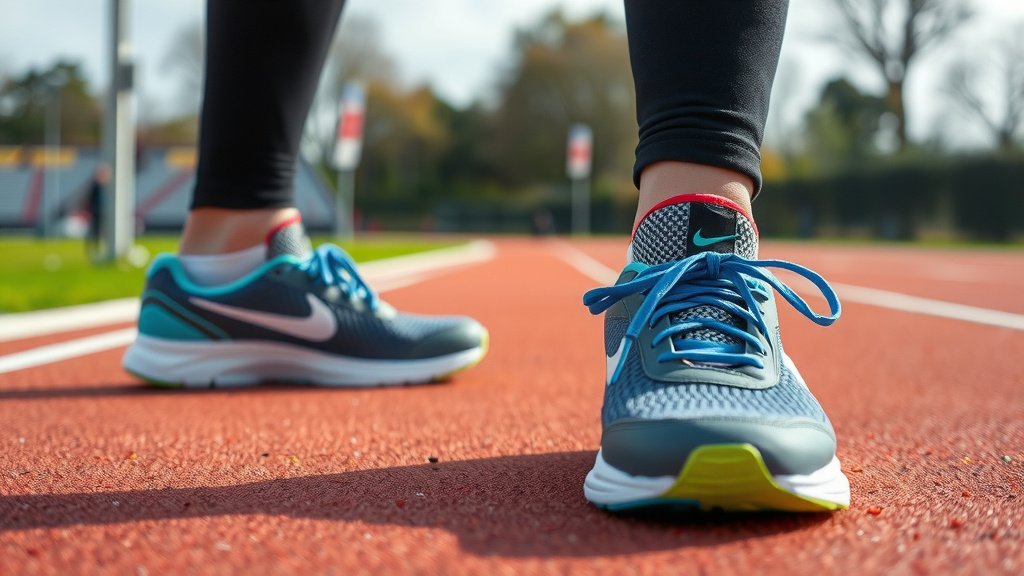
Not every track session requires spikes. For warm-ups, cool-downs, recovery runs, or lighter interval days, lightweight running shoes are a great choice. These are essentially standard running shoes that prioritize being light and responsive. They offer much more cushioning and support than spikes. This makes them comfortable for longer periods and easier on your feet and legs. While they don’t offer the aggressive grip of spikes, they are more forgiving for everyday use on the track.
Many track athletes find they use lightweight trainers for a good portion of their training volume. This helps prevent overuse injuries that can come from constantly wearing stiff spikes. Think of them as your reliable daily drivers for track work.
Key Features to Consider in Track Shoes
When you’re looking at track shoes, a few key features stand out. Focusing on these will help you find the best fit for your needs. We found that attention to these details really pays off in performance and comfort.
Fit and Comfort
This is non-negotiable. Your shoes should fit snugly but not painfully. There should be enough room in the toe box for your toes to splay slightly. They should feel secure without any slipping in the heel. Try them on at the end of the day when your feet are slightly swollen. This gives you the most accurate fit. Many experts say a shoe that feels good immediately is usually the right choice (Running USA).
Cushioning
Cushioning is especially important if you’re using lightweight running shoes for longer efforts on the track. It absorbs impact and provides comfort. For spikes, cushioning is minimal, but some distance spikes do offer a bit more. If you’re prone to impact-related soreness, seek out shoes with a bit more foam underfoot.
Support and Stability
While most track shoes are neutral, meaning they don’t have strong stability features, you still need to consider how they support your foot. Spikes are designed for a specific gait on a track. Regular running shoes might offer more arch support or motion control if you need it. Most runners don’t need extreme stability for track work, but it’s something to be aware of.
Outsole and Spikes
For spikes, the number and placement of spike receptacles are important. More receptacles generally mean more grip options. The type of spikes you use can also matter. Pyramid spikes offer great grip. Needle spikes are thinner and lighter. The material of the outsole plate (often nylon or carbon fiber) affects flexibility and weight. For lightweight trainers, the rubber outsole should offer good traction on synthetic tracks.
Making Your Choice: A Quick Checklist
Here’s a simple checklist to help you decide what shoes are best for your track sessions:
- Do you need shoes for racing and speed work? (Consider spikes)
- Are you running shorter sprints or longer distances on the track? (Match spike type)
- Do you need shoes for warm-ups, cool-downs, or easy jogs? (Consider lightweight trainers)
- Is comfort and impact absorption a top priority? (Look for more cushioning)
- Do the shoes feel secure and comfortable right away? (Always try them on!)
- What is your budget? (Spikes can be more expensive than trainers)
When to Use Spikes vs. Lightweight Trainers
The general rule of thumb is to use spikes for your fastest work and races. This is when their lightweight design and aggressive grip truly shine. Think of your track workouts like this:
- Tempo Runs and Interval Training (Fast): Track spikes are ideal here. They help you feel fast and connected to the track, maximizing your effort.
- Race Day: Absolutely use your specific event spikes. They are designed for peak performance.
- Warm-ups and Cool-downs: Lightweight running shoes are perfect. They provide comfort and a bit of cushioning as your body transitions.
- Easy/Recovery Runs on the Track: Your lightweight trainers will be your best friend here. They protect your legs and feet over multiple laps.
We found that having both types of shoes allows for a more strategic approach to training. It helps prevent overtraining and injuries. Plus, it’s kind of fun to switch between the two!
| Activity | Recommended Shoe Type | Why |
|---|---|---|
| Sprint Races (60m-400m) | Sprint Spikes | Maximum power transfer, stiff sole, lightweight. |
| Middle-Distance Races/Intervals (800m-1500m) | Middle-Distance Spikes | Balance of weight, flexibility, and some cushioning. |
| Distance Races/Long Intervals (3000m+) | Distance Spikes | More cushioning, flexibility for sustained effort. |
| Warm-ups/Cool-downs | Lightweight Running Shoes | Comfort, impact absorption, gentle on the legs. |
| Easy/Recovery Runs on Track | Lightweight Running Shoes | Supportive, cushioned for longer duration, less aggressive. |
Conclusion
You now know the key differences between track spikes and lightweight running shoes. For serious speed work and races, specialized spikes are your best bet, tailored to your event. For warm-ups, cool-downs, and easier runs, a good pair of lightweight trainers offers the comfort and support you need. We’ve found that having both types of shoes in your arsenal allows for smarter training and helps keep you injury-free. Your next step is to identify which type of track running you do most and choose footwear that truly supports your goals on the track.
Frequently Asked Questions
Can I wear my regular running shoes for track workouts?
Yes, for easier runs, warm-ups, and cool-downs on the track, lightweight running shoes are a great choice. They offer more cushioning and support than spikes, making them comfortable for longer durations. However, for high-intensity speed work and races, specialized track spikes will provide better grip and a more responsive feel.
How many pairs of spikes do I need for track?
Most athletes benefit from having at least one pair of event-specific spikes, like sprint spikes or distance spikes. If you compete in multiple disciplines, you might consider a second pair. It’s also wise to have a pair of lightweight trainers for non-spiked training days.
Are track spikes uncomfortable for long distances?
Track spikes are designed for speed, not comfort over long distances. They have minimal cushioning and a very rigid sole. While distance spikes offer more cushioning than sprint spikes, they are still less comfortable than a dedicated lightweight running shoe for very long runs or recovery jogs on the track.
How do I know if my track spikes fit correctly?
Your spikes should feel snug and secure, like a second skin, with no heel slippage. Your toes should have a little room to move, but not so much that your foot slides around. Try them on at the end of the day when your feet are slightly swollen for the most accurate fit.
Can I use spikes for training on a regular road or trail?
No, you should avoid using track spikes on surfaces other than a synthetic track. The spikes can damage softer surfaces like grass or dirt trails, and wearing them on hard surfaces like roads can damage both the shoes and potentially your feet due to lack of cushioning.