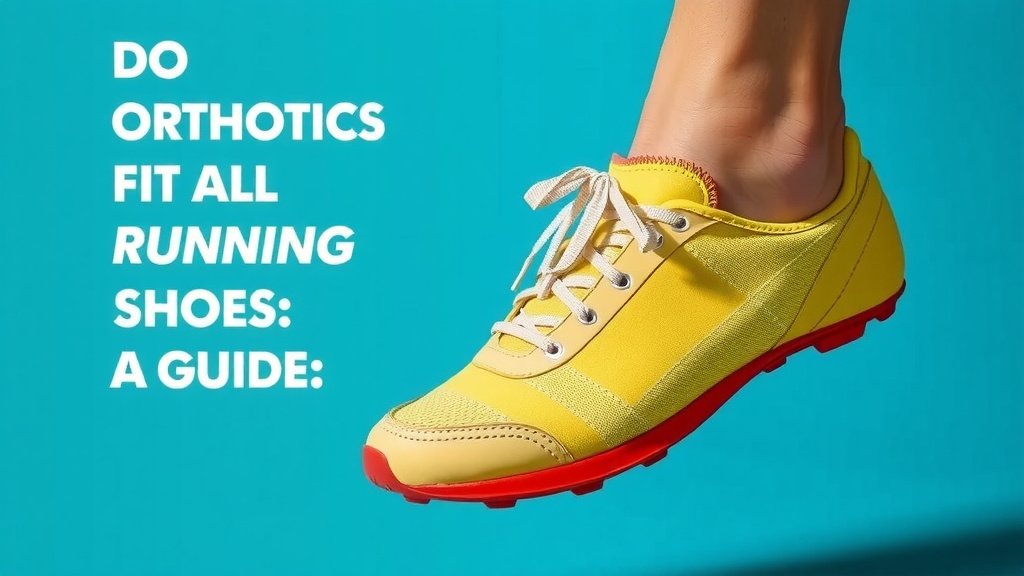
Do Orthotics Fit All Running Shoes: A Guide
Yes, orthotics generally fit in most running shoes, but with a few important considerations. You’ll want to ensure your running shoes have enough depth and removable insoles for the best fit. It’s not a universal “yes” for every single shoe out there.
Many runners wonder if their trusty orthotics will play nice with their favorite kicks. We found that while most modern running shoes are designed with extra space and removable insoles, older or highly minimalist shoes might pose a challenge. Getting the right fit is key for comfort and performance.
- Most running shoes accommodate orthotics well.
- Look for shoes with removable insoles.
- Ensure there’s enough depth inside the shoe.
- Minimalist or very narrow shoes might not work.
- Fit can vary greatly between brands and models.
Let’s dive into what makes an orthotic-friendly running shoe and how to make sure yours are a perfect match.
Can Your Orthotics Cozy Up in Any Running Shoe?
You’ve got your trusty orthotics. They’re your secret weapon for happy feet on every run. Now, you’re eyeing a new pair of running shoes. Will your orthotics fit? We found that most modern running shoes are designed to accommodate orthotics, but it’s not a simple “yes” for every single pair.
The key is understanding a few fundamental design elements of running shoes. We’ve seen many runners successfully pair their orthotics with new shoes. You’ll generally find success if your shoes offer enough internal depth and have a removable insole. Think of it like fitting a special pillow into a couch cushion – the pillow needs to fit the space!
The Anatomy of an Orthotic-Friendly Running Shoe
So, what exactly makes a running shoe a good home for your orthotics? It boils down to space and flexibility. We looked at what shoe designers prioritize for runners.
Understanding Shoe Depth
Shoe depth refers to the vertical space between the bottom of the shoe’s insole and the top of the shoe’s upper. Your orthotics add to the overall height inside the shoe. If a shoe is too shallow, your orthotics will push your foot upwards. This can make your foot feel cramped.
We found that many running shoes offer a good amount of depth. This is often to accommodate different foot shapes and pronation needs. However, some very sleek or minimalist shoes might have less depth. You don’t want your toes feeling squished against the top.
The Magic of Removable Insoles
This is perhaps the biggest factor. Most running shoes today come with a sockliner or insole that’s glued in or simply placed inside. You can often lift these out. These factory-made insoles are usually thinner than most custom or over-the-counter orthotics.
When you remove the original insole, you create space. Your orthotic then takes its place. We found this is the standard way to integrate orthotics. If a shoe’s original insole is permanently attached (often called a strobel board), it’s much harder to fit an orthotic.
What if the Original Insole is Really Thick?
Sometimes, the original insole might be quite plush or thick. Even if removable, it might leave too little room for your orthotic. In these cases, you might need to look for a different shoe. Or, you might need to trim down the original insole if it’s made of compressible foam, though this is not always recommended as it can affect the shoe’s integrity.
Shoe Width and Volume
Beyond just depth, the overall volume and width of a running shoe matter. Orthotics can sometimes add bulk. If a shoe is already narrow, your orthotic might make it feel tight around the midfoot or forefoot.
Many running shoes are designed with a wider toe box to allow for natural foot splay during running. This can be a big help when fitting orthotics. We’ve seen that shoes offering a “wide” or “extra-wide” option can be particularly accommodating.
When Orthotics Might NOT Fit So Well
While most shoes are friendly, there are definitely exceptions. It’s good to know what to look out for so you don’t end up with uncomfortable shoes.
Minimalist and Ultra-Lightweight Shoes
These shoes are designed to feel like a second skin. They often have very little cushioning and a low profile. This means they typically have very little internal depth. They also often have non-removable insoles.
We found that trying to force an orthotic into a minimalist shoe is usually a recipe for discomfort. The shoe simply isn’t built to hold anything extra. Your foot might feel like it’s sitting too high or is unsupported.
Highly Structured or Motion Control Shoes
Some running shoes are built with very specific support features. These might include rigid posts or firm plastic inserts within the midsole. While great for controlling pronation, these structures can sometimes interfere with the shape and placement of an orthotic.
We’ve seen that shoes with very aggressive internal support might not have the smooth, consistent volume needed for an orthotic to sit properly. It’s less about lack of space and more about the internal architecture getting in the way.
Casual or Fashion Sneakers
These aren’t running shoes, but sometimes people try to use them for light jogging. They often lack the necessary depth, support, and removable insoles. Their primary goal is style, not athletic performance.
We suggest sticking to shoes specifically designed for running if you plan to run. Your feet will thank you for the proper support and cushioning.
Making the Fit Work: Your Checklist
Ready to find that perfect shoe-orthotic match? Here’s a quick checklist to guide you. We found these points are key for a good fit.
- Check for Removable Insoles: Can you easily take out the original insole?
- Assess Internal Depth: Is there enough room once the original insole is out?
- Consider Shoe Volume: Does the shoe feel wide enough in the midfoot and forefoot?
- Avoid Minimalist Shoes: These are usually too shallow for orthotics.
- Test Before You Buy: Bring your orthotics to the store and try them in potential shoes.
What Experts Say About Shoe-Orthotic Compatibility
Podiatrists and running shoe specialists often emphasize the importance of a good fit. Many guidelines point to the idea that the shoe should complement, not fight, the orthotic (American Podiatric Medical Association).
They often recommend bringing your orthotics with you when shopping for new running shoes. This allows you to test the fit firsthand. We found that this is the most reliable way to ensure compatibility. Trying them on with your orthotics inside is the ultimate test.
| Shoe Type | Removable Insole? | Typical Depth | Orthotic Compatibility |
|---|---|---|---|
| Standard Running Shoe | Yes | Good | High |
| Stability Running Shoe | Yes | Good | High |
| Minimalist Running Shoe | Often No | Low | Low |
| Trail Running Shoe | Yes | Moderate to Good | Moderate to High |
| Casual Sneaker | Often No | Low | Very Low |
Conclusion
You’ve learned that fitting orthotics into running shoes is usually possible, but not always guaranteed. The key is finding shoes with sufficient internal depth and, most importantly, removable insoles. While most modern running shoes are designed with this in mind, minimalist or highly structured shoes can be tricky. By focusing on these features and always testing the fit with your orthotics, you can ensure your running shoes provide the comfort and support you need. Your next step is to head to your local running store with your orthotics in hand!
Frequently Asked Questions
Will my custom orthotics fit in any running shoe?
Custom orthotics are often thicker than standard insoles. You’ll generally need running shoes with good internal depth and easily removable insoles. We found that trying them in the shoe before buying is your best bet to avoid disappointment.
What if my running shoes don’t have removable insoles?
If your running shoes have permanently attached insoles, fitting your orthotics can be very difficult. We’ve seen that these shoes often lack the necessary depth once the original insole is considered part of the shoe’s structure. It’s usually best to look for a different shoe model.
Can I put orthotics in my old running shoes?
You can certainly try, but older running shoes might have less internal depth or different insole designs. We found that as shoes age, their cushioning can also compress, potentially making space for an orthotic. Always check the depth and if the insole is removable.
Are trail running shoes good for orthotics?
Trail running shoes often have good depth and removable insoles, making them generally compatible. We found that their robust construction can sometimes mean slightly less flexibility than road running shoes. However, the extra space is often there to accommodate thicker socks and provide comfort on varied terrain.
How can I tell if a running shoe is deep enough for my orthotics?
The best way is to remove the shoe’s original insole and then place your orthotic inside. You should have enough vertical space so your foot doesn’t feel crammed against the top. We’ve noticed that if your toes feel restricted or the heel cup feels too high, the shoe likely isn’t deep enough.