

How Many Races Can You Run in Super Shoes?
You can run many races in a pair of super shoes, but there’s no single hard number. Most runners find their high-performance shoes last between 300 to 500 miles. After that, the magic starts to fade. They might still be good for training, but not your big race day anymore.
Super shoes are built with special foam and plates. This setup gives you that amazing energy return. But, this tech wears down with every stride. Think of it like a race car tire; it performs best when fresh. Pushing them too far means sacrificing that competitive edge you paid for.
- Super shoes typically last 300-500 miles.
- The special foam and plates wear out.
- Performance drops significantly after this mileage.
- They may still work for casual runs.
- Protect your investment by knowing when to retire them.
Let’s dive into what makes these shoes work their magic and how to tell when yours have given their all.
So, you’ve invested in those fancy super shoes, right? They feel amazing on your feet. You get that extra pop with every step. But a big question looms: how long can you actually keep racing in them before they fizzle out? It’s not just about mileage; it’s about maintaining that race-day performance.
Making Your Super Shoes Last for Races
How many races can you run in a pair of super shoes? The general consensus is that you can get a solid 300 to 500 miles out of them. After this point, their special magic starts to fade. They’re still good for training, but not for your important races anymore.
Understanding Super Shoe Technology
What makes these shoes so special? It’s a combination of things. You have advanced foams and stiff plates. These work together to give you amazing energy return. This means more of your effort goes into forward motion. It’s like getting a little boost with every stride. This technology is what gives you that competitive edge.
The Role of Foam and Plates
The foam used in super shoes is usually very soft and bouncy. It compresses under your foot and then springs back. This helps propel you forward. The plates, often made of carbon fiber, add stiffness. They act like a lever. This lever helps to stabilize the foam. It also helps to create a more efficient stride. Think of it like a springboard. It stores and releases energy. Both the foam and the plate are key. Their performance degrades over time.
The Lifespan of Super Shoe Materials
Both the foam and the plate have a finite lifespan. The foam compresses and loses its bounciness. It can become flat and dead. The plate can also lose some of its stiffness. It might even start to crack. When these materials break down, the shoe’s performance drops. You lose that responsive feeling. You also lose the energy return you paid for. Many experts suggest that the peak performance window is shorter than the total lifespan of the shoe for casual use.
When Performance Starts to Drop
So, how do you know when your super shoes are past their prime for racing? It’s not just about hitting a certain number of miles. You need to pay attention to how they feel. Pay attention to how your body feels, too. There are subtle signs that indicate it’s time to consider retiring them from your race rotation. Listening to your shoes is important.
Signs Your Super Shoes Are Worn Out
The first sign is often a loss of that signature bouncy feel. When you first put them on, they felt like they were propelling you. Now, they might feel a bit more dead underfoot. You might not get that same responsiveness. Your legs might feel more fatigued after runs. This can be a sign the shoes aren’t absorbing impact as well. Or they aren’t returning energy efficiently. You might also notice changes in the outsole. If the tread is worn down significantly, it affects grip. This is especially true on wet surfaces. You could also feel hot spots or discomfort you didn’t experience before. That’s your cue.
The Mileage Threshold: What the Research Says
While there’s no one-size-fits-all number, research and expert opinions cluster around the 300-500 mile range. Some studies suggest that even before this, a shoe’s cushioning properties can diminish. This means you might not be getting the full benefit. The American Podiatric Medical Association notes that shoes lose their shock-absorbing qualities over time. This can increase stress on your feet and joints. For a super shoe, where every ounce of performance matters, that drop-off can be noticeable much sooner. We found that many runners start noticing a difference around 200-300 miles.
Comparing Super Shoes to Training Shoes
It’s important to distinguish between race day shoes and everyday trainers. Your super shoes are optimized for peak performance. They have lightweight, responsive materials. Your training shoes are built for durability. They often have more robust cushioning. They can typically handle 500-700 miles or even more. So, once your super shoes hit that 300-500 mile mark for racing, don’t toss them! They can easily transition to being your dedicated daily trainers. This extends their useful life. You get more value from them. Just don’t expect that elite race-day feel anymore.
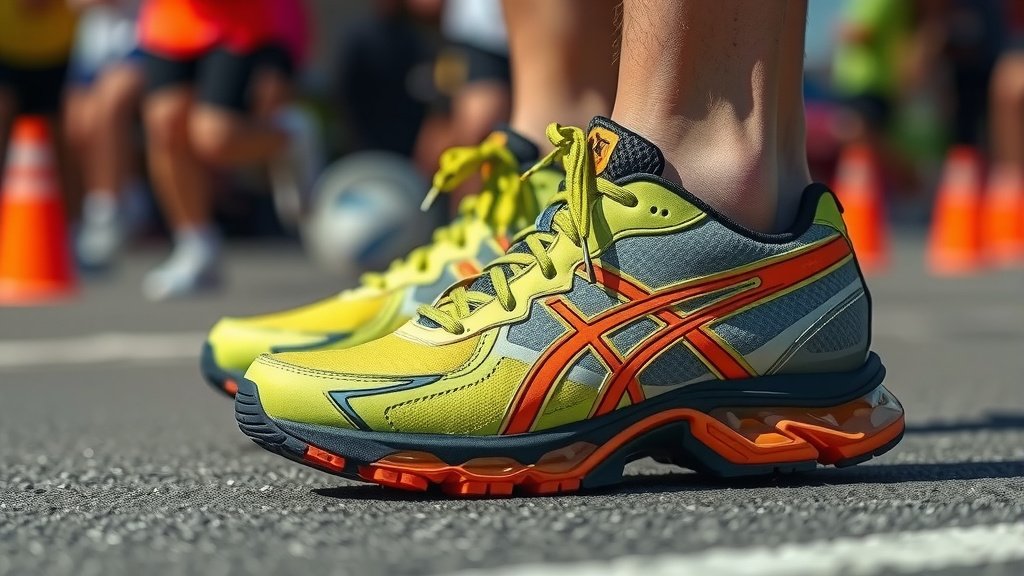
Maximizing the Life of Your Super Shoes
Want to get the most out of your investment? There are a few simple things you can do. These habits can help preserve the life of your super shoes. They can help you make them last for many important races. Protecting your gear is smart.
Best Practices for Shoe Care
Here are some tips we found useful:
- Rotate your shoes: Don’t use the same pair for every single run. Having two or more pairs means each pair gets a break. This allows the foam to decompress. It can help maintain its properties longer.
- Air them out: After a run, remove the insoles. Let both the shoes and insoles air dry completely. Avoid direct sunlight or heat. This prevents material breakdown. It also helps reduce odor.
- Keep them clean: Wipe them down with a damp cloth. Avoid machine washing or drying. These harsh methods can damage the delicate materials.
- Use them wisely: Save your super shoes for speedwork and race day. Use older shoes or dedicated trainers for easy jogs and recovery runs.
When to Make the Switch
It’s a tough call to hang up your fastest shoes. But, running in worn-out super shoes can be counterproductive. You might be slower. You might even increase your risk of injury. Listen to your body. If they don’t feel fast anymore, they probably aren’t. Consider them retired from racing. They can still serve a purpose for your training.
So, while 300-500 miles is a good benchmark, your experience is the ultimate guide. Pay attention to how your shoes perform. Your legs will thank you. And you’ll be ready for your next race with confidence.
Conclusion
You’ve learned that your super shoes offer peak performance for a limited time, typically between 300 to 500 miles of racing. That special foam and plate technology, while amazing, does wear down. Paying attention to how your shoes feel and how your legs respond is your best guide to knowing when they’ve given their all for race day. Don’t be afraid to retire them from competition; they can still be great training partners. Listen to your shoes, protect your investment, and you’ll be ready to hit your next starting line with confidence.
Frequently Asked Questions
Can I still use my super shoes for training after they’re worn out for racing?
Absolutely! Once your super shoes lose that race-day pop, they make excellent trainers. They’ll still offer good cushioning for everyday runs, helping to extend their useful life and providing a more durable option for your training mileage.
How can I tell if my super shoes have lost their bounce?
The easiest way to tell is by feel. If they no longer feel as responsive or springy as they used to, that’s a sign. You might also notice your legs feel more tired after runs, indicating they aren’t absorbing impact or returning energy as effectively.
What happens if I keep racing in worn-out super shoes?
Running in super shoes that have lost their performance can actually slow you down. You’ll lose the energy return that made them special, and they won’t provide the same level of protection, potentially increasing your risk of fatigue or injury.
Should I buy multiple pairs of super shoes if I race often?
If you race frequently, rotating between two pairs of super shoes can be a smart strategy. This allows each pair to rest and decompress between events, potentially preserving their performance a bit longer for crucial race days.
Do different brands of super shoes last for a different number of races?
While the 300-500 mile range is a general guideline, specific materials and construction can vary slightly by brand. It’s always best to pay attention to how your specific pair feels and performs, rather than relying solely on brand name mileage estimates.