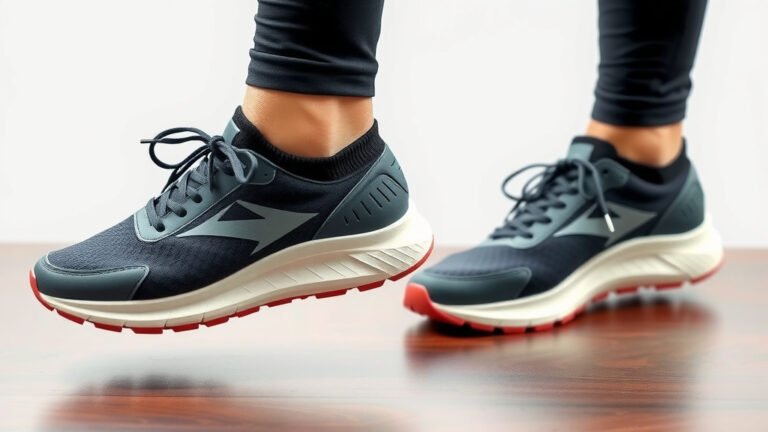
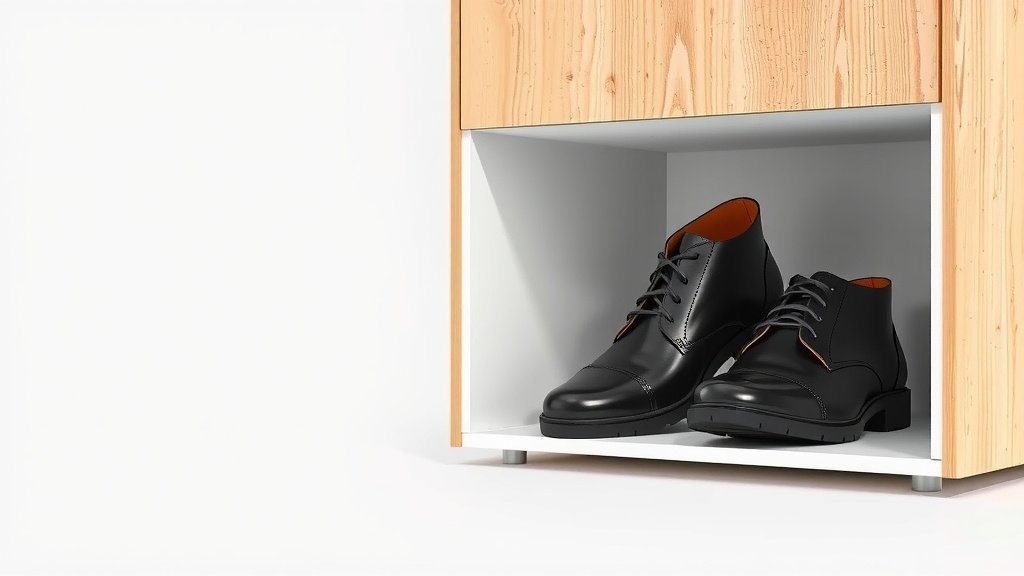
Proper Carbon Plate Shoe Storage Guide
Storing your carbon plate running shoes properly is key to keeping their performance and extending their lifespan. The best way to store them is in a cool, dry place away from direct sunlight and extreme temperatures. Avoid stuffing them into tight spaces or leaving them in your car.
Proper storage helps maintain the shoe’s structure and the responsiveness of that stiff carbon plate. This means your shoes will feel better on your feet for longer. Many runners overlook this step, but it’s a simple way to protect your investment.
- Store shoes in a cool, dry spot.
- Keep them away from sunlight and heat.
- Don’t cram them into small spaces.
- Air them out after runs before storing.
- Avoid moisture and damp environments.
Let’s walk through exactly how to store your prized carbon plate shoes to keep them in top shape for every run.
Keeping Your Carbon Plate Shoes in Peak Condition
Storing your carbon plate running shoes correctly is more important than you might think. It helps protect your investment and keeps them performing their best. Think of it like tucking your car into a garage instead of leaving it out in the elements. We’ll guide you through the best practices.
The Importance of Proper Storage for Carbon Plates
Carbon fiber plates are amazing. They give you that extra spring in your step. But they can be sensitive. Extreme heat or cold can affect the materials. Moisture is also a big enemy. It can break down the shoe’s components over time. Proper storage helps maintain the plate’s integrity and the shoe’s overall structure. This means you get that responsive feel run after run.
Why Carbon Plates Need Special Care
Carbon plates are engineered for stiffness and energy return. This stiffness is what makes them so effective. However, the epoxy resins that bind the carbon fiber can degrade under certain conditions. Research suggests that prolonged exposure to high temperatures can weaken these bonds. This could lead to a loss of that “pop” you love.
Think of it like baking a cake. You need the right temperature for the right amount of time. Too hot, and it burns. Too cold, and it doesn’t bake properly. Your carbon plate shoes are similar. They need a stable environment.
The Impact of Moisture and Heat
Moisture is a sneaky problem. It can seep into the shoe’s foam and upper materials. This can lead to mold and mildew. It can also weaken adhesives. Your shoes might start to fall apart sooner than expected. High heat is another major concern. Leaving your shoes in a hot car or direct sunlight is a recipe for disaster. The heat can warp the foam and damage the carbon plate itself. Many shoe manufacturers advise against leaving shoes in temperatures above 80°F (27°C) for extended periods (Nike).
Where to Store Your Carbon Plate Shoes
Finding the right spot is the first step. You want a place that’s both cool and dry. This usually means indoors, away from windows. Your closet or a shelf in a temperature-controlled room are usually good options. Avoid places with fluctuating temperatures.
The Ideal Environment: Cool and Dry
Imagine your shoes resting comfortably. They aren’t baking in the sun or sweating in a damp basement. That’s the goal. A stable room temperature is key. Ideally, this is between 60°F and 75°F (15°C and 24°C). This range helps preserve the shoe’s materials. Keeping them dry prevents mold and material breakdown.
Places to Avoid
Some places are definite no-gos for your carbon plate shoes. Garages and sheds can experience extreme temperature swings. Basements can be damp. Direct sunlight is a huge no. Even a few hours can start to degrade the materials. Leaving them in your car is also a bad idea. Cars heat up like ovens in the summer.
Think about it this way: Would you leave your expensive electronics outside in the sun or rain? Probably not. Your running shoes are an investment too. Treat them with a little respect. Avoid situations where they might get damaged.
How to Prepare Your Shoes for Storage
Don’t just toss your shoes in a corner after a sweaty run. A little prep work goes a long way. This simple step ensures your shoes are ready for their next outing. It also keeps your storage area clean.
Letting Them Air Out
After you run, your shoes are going to be damp. They’ll likely smell a bit funky, too. The first thing you should do is let them dry. Loosen the laces. Pull out the insoles if you can. This helps air circulate. Stand them up so the sole is exposed. Place them in a well-ventilated area. Avoid direct heat sources like radiators or hair dryers.
We found that air-drying them for a few hours, or even overnight, makes a big difference. It helps prevent odor and keeps the internal materials from staying wet. This is especially important if you run in humid or wet conditions.
Cleaning Off Debris
Mud, dirt, and little pebbles can get stuck in your shoes. Before storing, brush off any loose dirt. You can use a soft brush or an old toothbrush. For tougher grime, a damp cloth might be needed. Make sure the shoes are completely dry before storing them long-term. Getting rid of debris prevents them from scratching other items. It also keeps your storage area cleaner.
Storage Methods and Tools
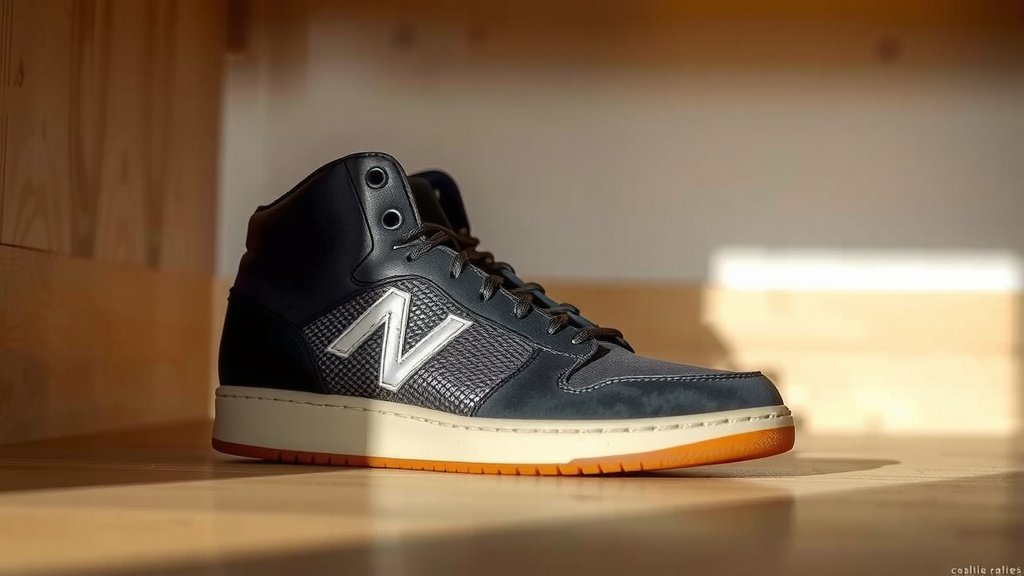
How you physically store the shoes matters. You want to avoid crushing them. There are a few easy ways to do this. Each method aims to maintain the shoe’s shape.
The Best Way: Shoe Trees or Inserts
Shoe trees are fantastic for maintaining shoe shape. They are designed to fill the shoe cavity. This prevents the shoe from collapsing. It also helps absorb moisture. Many are made of cedar, which has natural deodorizing properties. You can find plastic or foam inserts too. These are lighter and less expensive. They still do a good job of keeping the toe box from deforming.
Using Original Boxes or Breathable Bags
If you still have the original shoe box, that’s great! It provides protection and can help maintain shape. Just ensure the shoes are dry before you put them in the box. You can also use breathable shoe bags. Mesh bags are a good option. They allow air to circulate while keeping dust off. Avoid plastic bags. They trap moisture and prevent airflow.
What to Avoid: Cramming and Overstuffing
Don’t stuff your carbon plate shoes into a tight space. Cramming them into a shoe rack can bend the plates. It can also damage the upper materials. Avoid piling other items on top of them. This can crush the shoe’s structure. Each shoe deserves its own space to breathe.
A Quick Storage Checklist for Your Shoes
Here’s a simple checklist to keep your shoes in top shape:
- Ensure shoes are clean and dry.
- Loosen laces before storing.
- Use shoe trees or inserts if possible.
- Store in a cool, dry, dark place.
- Keep them away from heat and moisture.
- Avoid stacking heavy items on them.
Conclusion
You’ve learned how storing your carbon plate shoes can protect your investment and keep them performing their best. Remember, a cool, dry place is your best friend. Airing them out after runs and avoiding extreme heat or moisture are simple steps that make a big difference. By following these practices, you’ll ensure that responsive feel and energy return for every mile ahead. Your shoes will thank you!
So, the next time you take off your running shoes, take a moment to give them the proper storage they deserve. Your future runs will be better for it.
Frequently Asked Questions
How long can I expect my carbon plate shoes to last with proper storage?
With good care, including proper storage, your carbon plate shoes should maintain their performance for their intended lifespan. While wear and tear from running are the primary factors, correct storage helps prevent premature degradation of the materials and the plate itself. Following the guidelines we’ve discussed can help you get the most out of them.
Is it okay to store my carbon plate shoes in a shoe bag?
Yes, a breathable shoe bag, like one made of mesh, is a good option. It protects your shoes from dust and scratches while allowing air to circulate. Just ensure your shoes are completely dry before you place them inside to avoid trapping moisture.
Can I store my carbon plate shoes near a window if it’s not sunny?
It’s best to avoid storing them near a window, even if it’s not directly sunny. Windows can still expose your shoes to fluctuating temperatures and indirect light, which can degrade the materials over time. A closet or a shelf in a climate-controlled room is a safer bet.
What should I do if my carbon plate shoes get wet from running in the rain?
If your shoes get wet, the most important thing is to air them out thoroughly before storing them. Remove the insoles, loosen the laces, and let them dry naturally in a well-ventilated area away from direct heat. Don’t put them in the dryer or use heat sources, as this can damage the shoe and the carbon plate.
Are shoe trees necessary for storing carbon plate shoes?
While not strictly necessary, shoe trees are highly recommended for storing carbon plate shoes. They help maintain the shoe’s shape, prevent creasing, and absorb any residual moisture. Cedar shoe trees also offer natural deodorizing benefits, which is a nice bonus.