Mastering Orthotics in Running Shoes: A Guide
Yes, you can absolutely use orthotics in your running shoes! Many runners find that custom or over-the-counter orthotics can significantly improve comfort and performance. They help by providing proper foot alignment and cushioning your stride.
When choosing orthotics for running, consider their purpose. Some are designed to correct specific biomechanical issues, while others offer general support. We found that selecting the right type is key to avoiding discomfort or injury. Your running shoes should still offer adequate support and flexibility.
- Orthotics fit in running shoes.
- They help with foot alignment.
- Proper fit improves comfort.
- Choose based on your needs.
Ready to learn more? Let’s walk through exactly how to make sure your orthotics and running shoes work together perfectly.
Getting Your Running Shoes Ready for Orthotics
You’ve got your orthotics, and you’re ready to hit the pavement. That’s fantastic! Making sure they work well with your running shoes is key. It’s not just about shoving them in; it’s about creating a happy partnership. We found that the right setup can make a huge difference in how you feel on your runs.
Understanding the Purpose of Orthotics
Think of orthotics as custom-made support for your feet. They aren’t just fancy insoles. They are designed to correct specific foot issues. This might include problems with your arch height or how your foot rolls when you run. They help guide your foot into a more natural position.
Correcting Biomechanics
Many runners have what experts call overpronation or supination. This means their foot rolls too far inward or outward. Orthotics can gently guide your foot. This reduces stress on your ankles, knees, and hips. Research shows that proper foot alignment can reduce injury risk (American Podiatric Medical Association).
Providing Cushioning and Support
Beyond alignment, orthotics offer extra cushioning. This can absorb more impact than your running shoe alone. Some orthotics also provide firm arch support. This is especially helpful if you have flat feet or high arches. The goal is comfort and stability with every step.
Choosing the Right Orthotics for Your Running Style
Not all orthotics are created equal, especially for runners. You’ll find different types designed for different needs. We found that matching the orthotic to your specific running demands is super important. It’s like picking the right tool for the job.
Types of Orthotics
There are three main categories: custom orthotics, semi-custom, and over-the-counter. Custom ones are made specifically for your feet by a podiatrist. Semi-custom offer more targeted support than store-bought options. Over-the-counter are the most affordable. Many runners find good results with all types, depending on their needs.
Consider Your Running Goals
Are you a marathon runner or a casual jogger? Your needs will differ. For high mileage, you might need more cushioning and durable support. For speed work, a lighter, more responsive orthotic might be better. We found that discussing your running habits with a podiatrist can help you pick the best type.
Integrating Orthotics into Your Running Shoes
Now for the practical part: getting them into your shoes. It sounds simple, but there are a few things to consider. You want them to fit snugly without causing pressure points. Think of it like finding the perfect spot for your foot in a comfy chair.
Removing Existing Insoles
Most running shoes come with removable insoles. These are usually basic and don’t offer much specific support. You’ll want to take these out first. Your orthotics will then take their place. If the original insole is glued in, carefully try to peel it away. If it won’t budge, you might need to find shoes with truly removable insoles.
Checking the Fit and Space
Once the original insole is out, place your orthotic inside. It should fit snugly within the shoe’s footbed. It shouldn’t slide around, and it shouldn’t bunch up. If it feels too tight, or if your heel is slipping out, you might have a few options. Sometimes a slightly different shoe model is needed. Other times, a thinner orthotic might be the answer. We found that a little trial and error here is normal.
Toe Box Room
Make sure there’s enough room in the toe box. You don’t want your toes cramped. This is especially true if your orthotics add a bit of volume. Your toes should have enough space to wiggle freely. Cramped toes can lead to blisters or discomfort during your run. Many running shoe brands offer wider toe boxes to accommodate various foot shapes.
Heel Counter Fit
The heel counter is the stiff part at the back of your shoe. Your orthotic should work with it to hold your heel in place. It shouldn’t cause the heel counter to dig into your Achilles tendon. If it feels too high or too tight, the orthotic might not be compatible with that specific shoe. We found that shoes with a well-padded heel collar often work best.
The Break-In Period
Just like new running shoes, orthotics often need a break-in period. Don’t plan your longest run for the first day you wear them. Start with short walks or very easy runs. Gradually increase the duration and intensity over a week or two. This allows your feet and body to adjust to the new support. Many podiatrists recommend this gradual approach (The American Academy of Orthotists & Prosthetists).
Listen to Your Body
Pay close attention to how your feet feel. Some minor soreness or awareness is normal as you adapt. However, sharp pain or consistent discomfort is a red flag. If you experience persistent pain, stop using the orthotics and consult your podiatrist or shoe fitter. We found that your body will tell you if something isn’t quite right.
Running Shoe Considerations with Orthotics
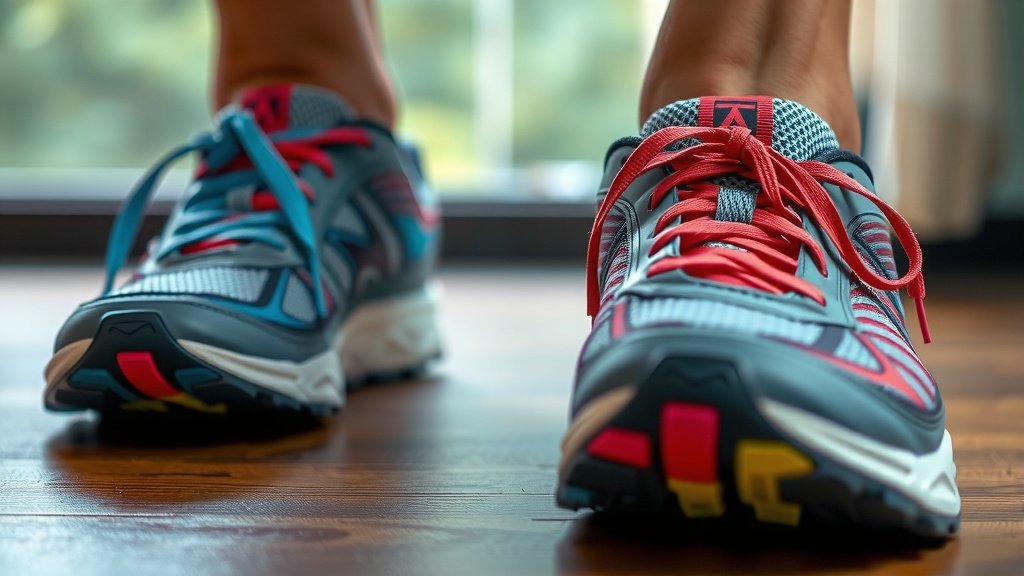
Your running shoes themselves play a vital role. They need to provide a good foundation for your orthotics. Think of them as the sturdy house for your supportive insoles.
Shoe Support Level
The type of support your running shoes offer should complement your orthotics. If you have orthotics designed to control pronation, you might not need a highly motion-control shoe. A neutral shoe might be sufficient. If your orthotics are primarily for cushioning, you might still benefit from a shoe with good shock absorption. We found that neutral shoes often work well with a variety of orthotics.
Flexibility and Firmness
Consider the shoe’s flexibility. It should bend where your foot naturally bends – usually at the ball of your foot. It shouldn’t be too stiff or too flexible. Your orthotic will add some firmness. You don’t want the shoe to feel rigid and unnatural. A shoe that’s too soft might not provide a stable base for your orthotic.
Cushioning Needs
Cushioning is personal, but it’s also influenced by your orthotics. If your orthotics provide a lot of cushioning, you might opt for a shoe with less. If your orthotics are more about structure and less about padding, you might want a well-cushioned shoe. Many runners find a balance between the two works best. Research indicates that adequate cushioning is important for reducing impact forces (National Institutes of Health).
Here’s a quick checklist to ensure your orthotics and shoes are a perfect match:
- Remove the original shoe insoles.
- Place orthotics in the shoe – check for a snug fit.
- Ensure ample toe box room for wiggling.
- Confirm your heel feels secure, not slipping.
- Start with short wear times to break them in.
- Listen carefully to your body for any discomfort.
Conclusion
You’ve learned that integrating orthotics into your running shoes is totally achievable. It’s all about making sure your orthotics and shoes work together as a team. By preparing your shoes correctly and paying attention to fit, you can enhance comfort and support on your runs. Remember to take your time with the break-in period. Listen to your body throughout the process. Your next step is to confidently put your well-matched orthotics and running shoes to the test. Enjoy your more comfortable and supported runs!
Frequently Asked Questions
Do orthotics make running shoes feel tighter?
Yes, orthotics can make your running shoes feel a bit snugger because they add an extra layer inside. It’s important to remove the original insoles first. Make sure there’s still enough room for your toes to wiggle freely after inserting the orthotics.
Can I use my orthotics in different pairs of running shoes?
Generally, yes, you can transfer your orthotics between compatible running shoes. However, ensure each shoe has removable insoles and offers a similar fit. We found that consistent use in one pair might be better for breaking them in properly.
How often should I replace my running shoe orthotics?
The lifespan of orthotics varies depending on the material and how often you use them. Many runners find they need replacement every 6 to 12 months. Keep an eye out for signs of wear, like flattening or loss of support.
What if my orthotics cause blisters or pain when running?
If you experience persistent pain or blisters, it’s a sign something isn’t quite right. This could mean the orthotics aren’t fitting correctly or your shoes aren’t compatible. We recommend stopping use and consulting your podiatrist or a shoe fitter.
Should my running shoes be a specific type if I wear orthotics?
Often, neutral running shoes work well with orthotics because the orthotic provides the necessary correction or support. If you have very specific needs, your podiatrist might recommend a shoe with a particular support level. It’s about finding a balance that feels right for your stride.