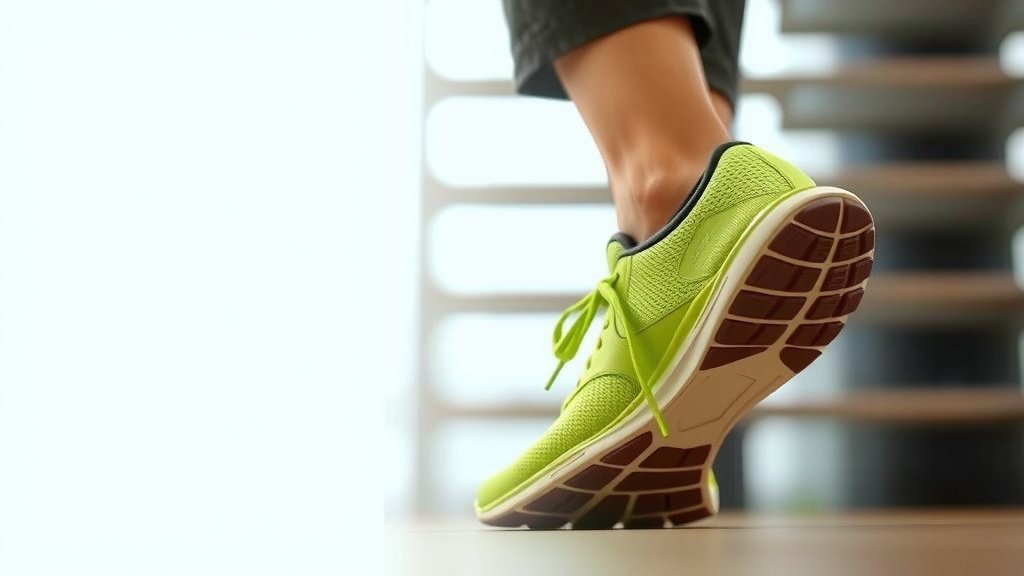
Prevent Foot Swelling While Running: Expert Tips
You can prevent foot swelling when running by focusing on hydration, proper footwear, and specific exercises. Staying well-hydrated helps regulate body temperature and fluid balance. Wearing well-fitting running shoes that aren’t too tight is also key. Gentle stretching before and after your run can make a big difference.
Many runners experience swollen feet, especially during longer distances or in warmer weather. This swelling, often called edema, happens when fluid builds up in your tissues. Understanding the causes, like gravity and increased blood flow, helps you tackle it effectively. We found that a combination of strategies works best for long-term relief and comfort on your runs.
- Stay hydrated – drink plenty of water.
- Choose the right running shoes – avoid tight fits.
- Elevate your feet after running.
- Incorporate simple foot and ankle exercises.
- Consider compression socks for added support.
Let’s walk through exactly how to keep your feet happy and swelling-free mile after mile.
“`htmlKeeping Your Feet Comfortable on the Run
So, your feet feel like little water balloons after a run? It’s a common runner’s complaint, and thankfully, not one you have to live with. We’ve looked into what causes those swollen feet and how to combat them. The good news is that by making a few smart adjustments, you can significantly reduce or even eliminate this uncomfortable issue. It’s all about listening to your body and giving it what it needs to perform its best.
Understanding Why Your Feet Swell
When you run, your body works harder. This means more blood rushes to your muscles, including those in your feet and lower legs. This increased blood flow can sometimes cause fluid to pool. Gravity also plays a role, pulling fluid downwards. In warmer weather, your body sweats more, and blood vessels dilate to cool you down, which can also contribute to swelling (Cleveland Clinic).
Think of it like this: imagine your running shoes are just a little too snug. Your feet are expanding with all that hard work, but the shoe isn’t giving them the space they need. This pressure can trap fluid. Similarly, if your body isn’t quite balanced with fluids, it can hold onto what it has, leading to puffiness.
Hydration: Your Secret Weapon
This might sound counterintuitive, but drinking enough water is absolutely key. When you’re dehydrated, your body actually tries to hold onto fluids more tightly, which can worsen swelling. Proper hydration helps regulate your body temperature and keeps your blood flowing smoothly.
So, how much water is enough? While individual needs vary, a good general guideline is to aim for half your body weight in ounces of water daily. During runs, especially longer ones or in the heat, you’ll need to drink even more. Sip water regularly throughout the day, not just before or after your run.
Pre-Run Hydration Strategy
Start hydrating well before you even lace up your shoes. Aim to drink a good amount of water a couple of hours before your run. This gives your body time to absorb it properly. Don’t chug a whole bottle right before you head out; that can make you feel sloshy.
Hydration During and After Your Run
For runs longer than 30-60 minutes, it’s a good idea to carry water with you. Take small, frequent sips. After your run, continue to rehydrate. Your body has lost fluids through sweat, and replenishing them is vital for recovery and preventing that puffy feeling.
Footwear: The Right Fit Matters
Your running shoes are your most important gear. If they’re too tight or don’t offer enough support, they can cause all sorts of problems, including foot swelling.
When you buy running shoes, make sure there’s about a thumb’s width of space between your longest toe and the end of the shoe. Your feet naturally swell a bit when they get warm and work hard, so you need that extra room. Avoid shoes that pinch your toes or feel constricting anywhere.
Choosing the Right Width
Some people have naturally wider feet. If you’re squeezing into a standard-width shoe, it’s a recipe for discomfort and swelling. Many brands offer shoes in various widths. Don’t be afraid to ask a knowledgeable salesperson for help finding the right width for your feet.
Socks Matter Too!
Don’t forget your socks! Thick, cotton socks can trap moisture and heat, making your feet feel hotter and potentially swell more. Opt for moisture-wicking socks made from synthetic blends or merino wool. These help keep your feet dry and comfortable.
Exercises to Combat Swelling
Simple exercises can significantly help improve circulation and reduce fluid buildup in your feet and ankles. Incorporating these into your routine can make a big difference.
Ankle Circles
Sit down and lift one foot slightly off the ground. Rotate your ankle in a slow, circular motion. Do 10-15 circles in each direction. Repeat with the other foot. This simple movement helps keep the joints lubricated and improves blood flow.
Toe Flexes and Spreads
While sitting, try to spread your toes as far apart as you can, hold for a few seconds, then relax. Repeat this 10-15 times. Then, point your toes down, then pull them up towards your shins. Do 10-15 reps of this. These movements help activate the small muscles in your feet.
Calf Raises
Stand with your feet hip-width apart. Slowly rise up onto the balls of your feet, holding for a moment at the top. Then, slowly lower your heels back down. Perform 2-3 sets of 15-20 repetitions. Strong calf muscles act like a pump, helping to push blood back up towards your heart.
Post-Run Recovery for Happy Feet
What you do after your run is just as important as what you do during it. A few simple recovery steps can help prevent lingering swelling.
Elevation: As soon as you can after your run, prop your feet up. Aim to have them above the level of your heart for 15-20 minutes. You can use pillows or cushions while you’re sitting or lying down. This uses gravity to help drain excess fluid away from your feet.
Gentle Stretching: Lightly stretching your calves and the arches of your feet can help release any tightness that might be contributing to swelling. Hold stretches for 20-30 seconds, and don’t force anything. You’re looking for a gentle pull, not pain.
Cooling Down with Water
Some runners find relief by soaking their feet in cool water after a run. This can help constrict blood vessels and reduce inflammation. You can add Epsom salts for added relaxation if you like.
Consider Compression Socks
Compression socks are designed to provide gentle pressure to your lower legs and feet. This graduated pressure can help improve circulation and prevent fluid from pooling. Many runners find them beneficial, especially on longer runs or if they’re prone to swelling.
When choosing compression socks, look for ones specifically designed for running. They should be snug but not uncomfortably tight. You want them to support your circulation, not restrict it. Research suggests they can help reduce muscle soreness and fatigue, too (NCBI).
Listen to Your Body and Adjust
Ultimately, the best way to prevent foot swelling is to pay attention to your body’s signals. If your feet are consistently swelling, it might be time to reassess your shoes, your hydration habits, or your running intensity. Sometimes, a little tweak here and there can make a world of difference.
It’s also wise to consider the conditions. Hot weather often means more swelling potential. If you notice swelling increasing on very hot days, be extra diligent with your hydration and footwear choices. Don’t push through significant discomfort; it’s your body telling you something needs attention.
Your Checklist for Swelling-Free Runs
- Drink plenty of water throughout the day.
- Ensure your running shoes offer enough room and proper fit.
- Do ankle circles and toe exercises before and after runs.
- Elevate your feet after finishing your run.
- Choose moisture-wicking socks.
- Consider trying compression socks for added support.
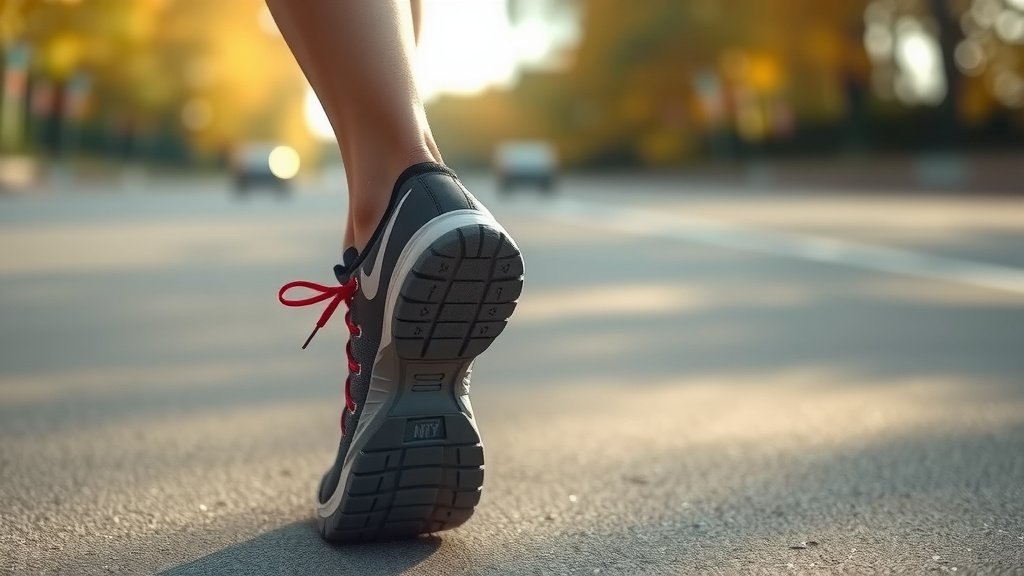
Conclusion
You’ve learned how to keep your feet comfortable and swelling-free on your runs. By focusing on staying hydrated, wearing the right shoes, and incorporating simple exercises, you can make a real difference. Remember that post-run recovery, like elevating your feet, is just as important. Don’t forget to listen to your body; it’s your best guide. Start implementing these strategies today to enjoy your miles without the discomfort of swollen feet.
Frequently Asked Questions
How much water should I drink to prevent foot swelling when running?
Aim for at least half your body weight in ounces of water daily, and drink more during and after your runs, especially in warm weather. Consistent hydration helps regulate your body’s fluid balance, preventing it from holding onto excess water which can cause swelling.
Can running shoes that are too tight cause foot swelling?
Yes, absolutely. Tight running shoes can constrict your feet as they naturally swell during exercise. This pressure can trap fluid and lead to uncomfortable puffiness. Always ensure there’s about a thumb’s width of space at the toe of your shoes.
What are the best exercises to do after a run to reduce foot swelling?
After your run, gentle calf stretches and foot flexes can help. Elevating your feet above heart level for 15-20 minutes is also highly effective. A cool water soak can further help constrict blood vessels and reduce inflammation.
Are compression socks really helpful for runners with swollen feet?
Many runners find compression socks beneficial. They provide graduated pressure that can improve circulation and prevent fluid from pooling in your lower legs and feet. Look for socks designed for running that offer a snug, supportive fit.
When should I be concerned about my swollen feet after running?
Occasional swelling after a long or intense run, especially in heat, is usually normal and manageable. However, if swelling is severe, persistent, painful, or doesn’t improve with rest and the tips mentioned, it’s a good idea to consult a doctor or physical therapist.