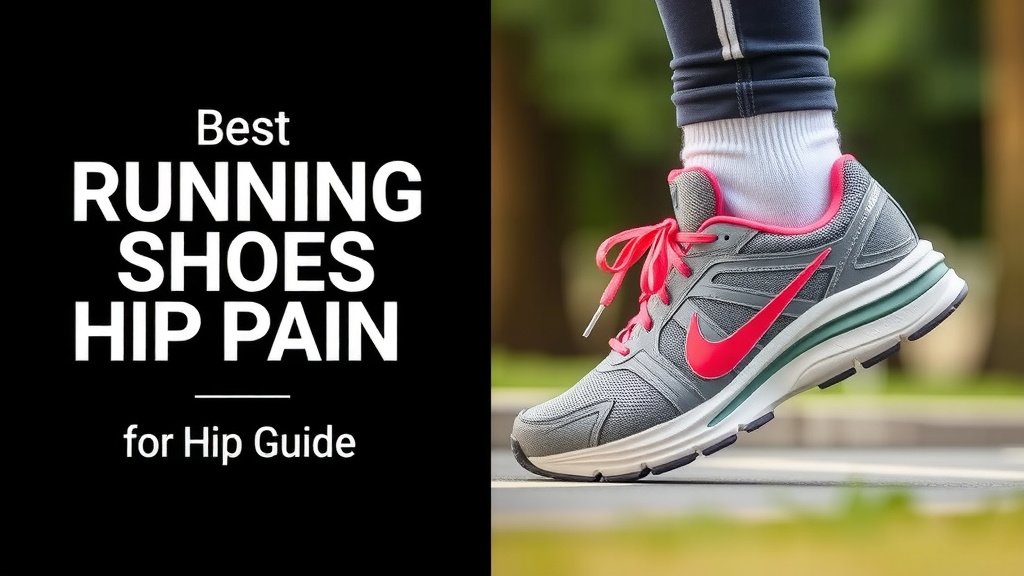
Best Running Shoes for Hip Pain: Your Guide
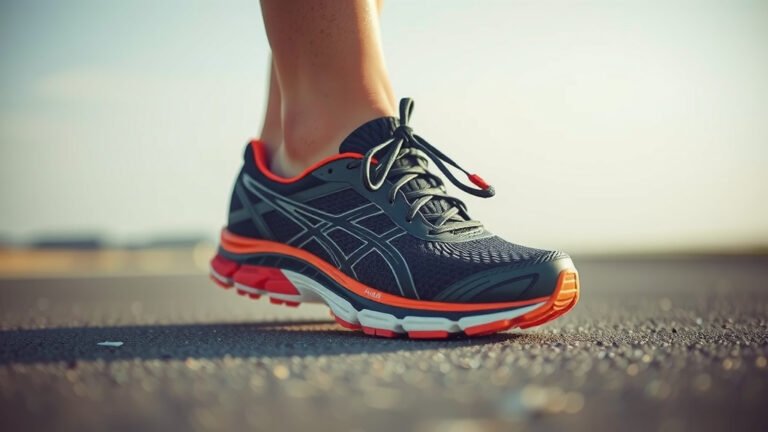
Choosing the right running shoes can help ease your hip pain by providing proper support and cushioning. Look for shoes with a good arch support system and a slightly wider base for added stability. These features can help distribute impact and align your body properly as you run.
Your footwear is a key player in managing discomfort. The right shoes can make a big difference in how your hips feel during and after a run. We’ve found that focusing on shock absorption and a shoe that complements your natural foot strike is essential for pain-free miles.
- Prioritize shoes with great cushioning.
- Ensure adequate arch support for your foot type.
- Consider a wider base for better stability.
- Don’t forget to replace old, worn-out shoes.
Ready to find your perfect pair? Let’s walk through exactly how to pick running shoes that will help your hips feel better.
“`htmlFinding the Right Running Shoes for Hip Pain
Picking the right running shoes can make a world of difference for your hips. We found that the best shoes offer a blend of support and cushioning. They help absorb shock. This reduces the stress on your hip joints. Let’s get you geared up for pain-free miles.
Understanding Your Foot Type and Gait
Your hips are connected to your feet. How your foot lands and rolls when you run matters. This is called your gait. Understanding your foot type is step one. It helps you choose shoes that work with your body, not against it.
What is Pronation?
Pronation is your foot’s natural inward roll. It’s how your foot absorbs shock. There are three main types of pronation. Each needs a different kind of shoe support. We found that knowing your pronation type is key to preventing hip pain.
Neutral Pronation
If you have neutral pronation, your foot rolls inward a normal amount. Your arch typically stays well-supported. Most runners fall into this category. You’ll likely do well with a variety of shoes. Look for shoes offering a balance of cushioning and support. Many experts suggest that well-cushioned shoes are best here (Mayo Clinic).
Overpronation
Overpronation means your foot rolls inward too much. This can put extra strain on your hips. You might have flatter feet. Shoes designed for stability can help. These shoes limit excessive inward rolling. They help keep your foot aligned. This reduces stress up your leg.
Supination (Underpronation)
Supination is when your foot doesn’t roll inward enough. Your foot may roll outward. This often happens with high arches. You need shoes with excellent cushioning. Ample shock absorption is vital. This helps your feet absorb impact naturally. Stability features are usually not needed.
How to Determine Your Foot Type and Gait
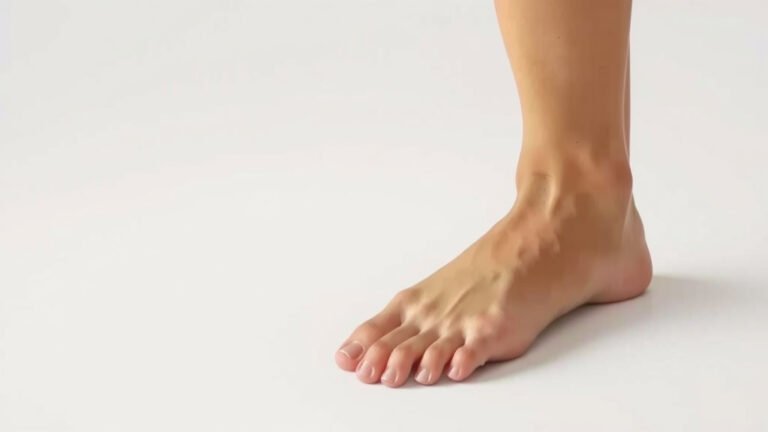
There are a few easy ways to figure this out. You can look at your old running shoes. Check the wear pattern on the soles. Do they wear down on the inside edge? That might mean overpronation. Even wear suggests neutral pronation. Wear on the outer edge could mean supination. You can also try the “wet test.” Get your feet wet. Step onto a piece of paper or a dry surface. Look at the footprint you leave. A full footprint with little curve indicates flat feet. A footprint with a distinct curve suggests a normal arch. A footprint showing only the heel and ball of your foot might mean high arches.
Key Shoe Features for Hip Pain Relief
When hip pain is a concern, certain shoe features become more important. We found that focusing on these aspects can make a real difference in your comfort.
Cushioning: Your Hip’s Best Friend
Good cushioning is non-negotiable. It acts like a shock absorber. Each step sends impact forces through your body. Plenty of cushioning softens these impacts. This is especially important if you have hip pain. Many studies show that adequate cushioning reduces stress on joints (NCBI). Look for shoes with plush midsoles. Materials like EVA foam or gel inserts are common.
Support and Stability
The right support helps maintain proper alignment. For overpronators, stability shoes are often recommended. They have features like medial posts. These are denser foam sections on the inside of the shoe. They help control the foot’s inward roll. If you have a neutral gait, you might prefer a neutral shoe. These offer good cushioning without extra stability control. We found that a shoe that feels stable underfoot can prevent awkward movements. This guards against hip pain.
Heel-to-Toe Drop
This refers to the height difference between the heel and the forefoot of the shoe. A higher drop (10-12mm) tends to put more pressure on the knees and hips. A lower drop (0-8mm) can encourage a more natural stride. It might feel different at first. Some people find lower drops help ease hip pain. It’s worth trying a few options to see what feels best for you. Many experts suggest a gradual transition if you’re switching to a lower drop shoe (Cleveland Clinic).
Fit and Comfort: The Ultimate Test
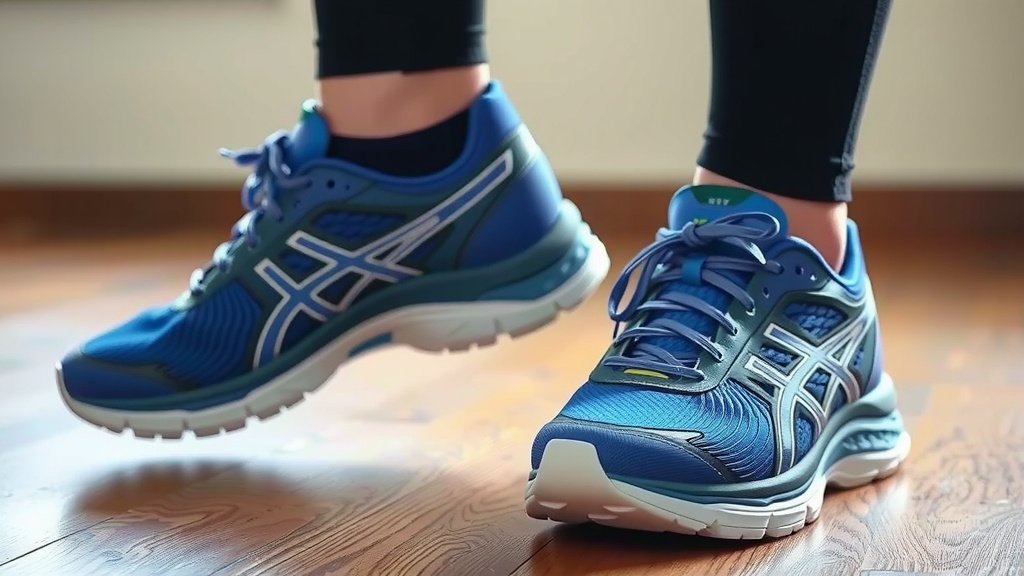
Even the most technologically advanced shoe won’t help if it doesn’t fit well. Your shoes should feel comfortable from the moment you try them on. There should be about a thumb’s width of space between your longest toe and the front of the shoe. The heel should feel secure. Your midfoot should feel snug but not tight. We found that trying on shoes later in the day is best. Your feet swell throughout the day. This ensures you get a proper fit.
What to Look for at the Store
Navigating the shoe aisle can be overwhelming. Here’s a simple checklist to guide you.
- Bring your old running shoes. The wear pattern tells a story.
- Wear the socks you run in.
- Walk and jog around the store. How do they feel?
- Don’t be afraid to ask for help. Store employees are often knowledgeable.
- Consider your running surface. Trail shoes differ from road shoes.
When to Replace Your Running Shoes
Running shoes don’t last forever. Their cushioning and support wear down over time. This makes them less effective. It can also contribute to injuries like hip pain. A general rule is to replace them every 300-500 miles. Pay attention to how they feel. If they feel flat or less supportive, it’s time for a new pair. We found that worn-out shoes are a common culprit for nagging aches and pains.
“`Conclusion
Choosing the right running shoes is a vital step in managing your hip pain. Remember to focus on cushioning and proper arch support. Understanding your unique gait and foot type will guide you to shoes that offer the best stability or flexibility for your needs. Don’t overlook the importance of a good fit and when it’s time to replace worn-out shoes. Your next pain-free run starts with the right pair of shoes. Head to a specialized running store and try on several options to find what feels best for your body.
Frequently Asked Questions
Can running shoes really help with hip pain?
Yes, they absolutely can. The right running shoes provide essential cushioning to absorb impact and support to maintain proper alignment. This can significantly reduce the stress on your hip joints during your runs.
How often should I replace my running shoes if I have hip pain?
You should aim to replace your running shoes every 300 to 500 miles, or when you notice the cushioning feels flat. Worn-out shoes lose their ability to absorb shock, which can worsen hip pain.
What if I have hip pain but don’t know my pronation type?
It’s best to get an assessment at a running specialty store. They can observe your gait and help you determine if you overpronate, supinate, or have a neutral gait. This information is key to selecting the right support.
Are stability shoes always better for hip pain?
Not necessarily. Stability shoes are great for overpronators, but if you have a neutral gait or supinate, you might need shoes with more cushioning and less stability control. The best shoe depends on your individual foot mechanics.
Should I try a lower heel-to-toe drop for hip pain?
A lower heel-to-toe drop can encourage a more natural running stride, which some people find eases hip pain. However, it’s a transition that requires care. If you’re used to a higher drop, switch gradually to avoid other issues.