Running Shoe Heel Cup Explained: What It Does For You
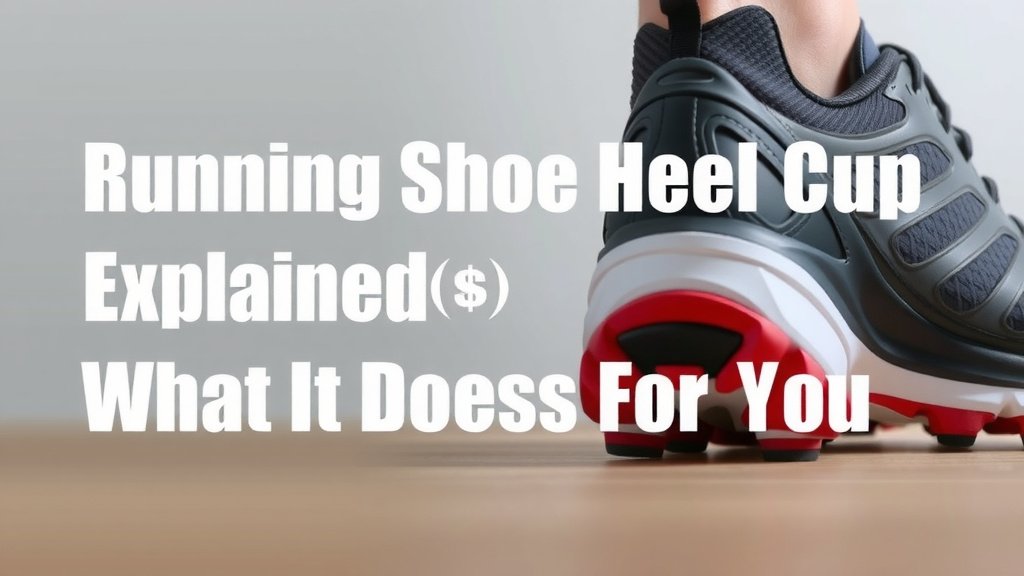
The running shoe heel cup is a stiff, supportive structure built into the back of your running shoe. It’s designed to cradle and secure your heel, preventing excessive movement and promoting a stable stride. Think of it as the shoe’s way of giving your heel a firm, but gentle, hug during every step.
This often overlooked component plays a big role in comfort and injury prevention. A well-designed heel cup helps guide your foot through its natural motion. It also works to protect the Achilles tendon and reduce friction that can lead to blisters. We found that proper heel support is key for many runners.
- It’s the sturdy part at the back of your shoe.
- It keeps your heel locked in place.
- This helps with stability and comfort.
- It can help prevent certain running injuries.
Ready to understand how this small part makes a big difference? Let’s dive into what makes a running shoe heel cup tick and why it matters for your runs.
“`htmlUnderstanding Your Running Shoe’s Heel Cup
You might not give it much thought, but the heel cup in your running shoes is a seriously important piece of engineering. Its main job is to keep your heel stable. We found that this simple function can have a big impact on your running comfort and even help prevent common injuries.
What Exactly is the Heel Cup?
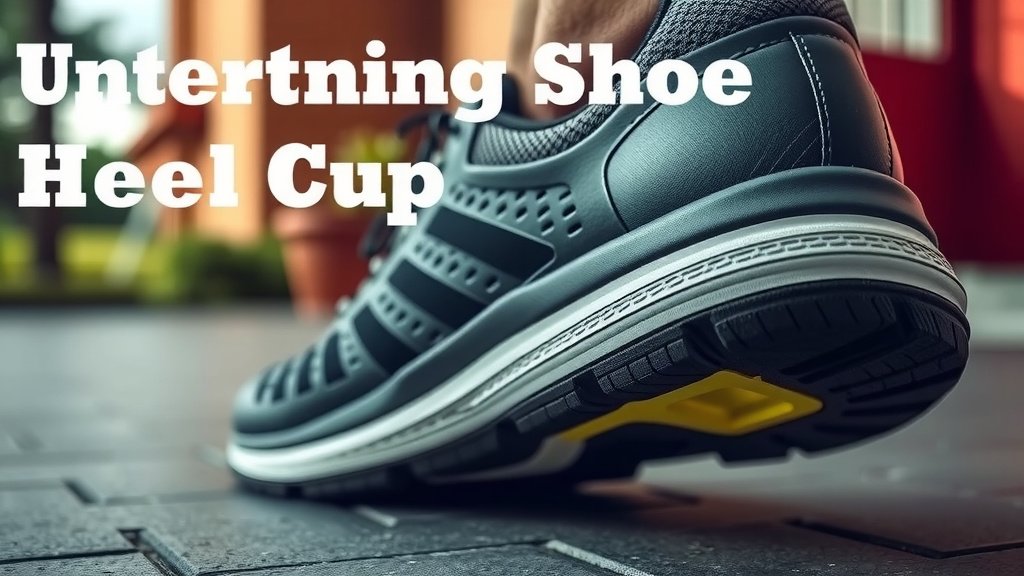
The heel cup is the stiff, often plastic or firm material, structure located at the very back of your running shoe. It’s molded to fit the general shape of your heel. Think of it like a sturdy cradle for your foot’s rear. Its design aims to secure your heel firmly within the shoe.
The Purpose: Stability and Control
Its primary function is to limit excessive side-to-side movement of your heel. This motion control is key to a stable stride. When your heel is locked in place, your foot can move more efficiently through its natural gait cycle. We found that this stability helps your foot land and push off correctly.
Materials Used in Heel Cups
Heel cups are typically made from firm plastic or stiffened composite materials. These materials provide the necessary rigidity. Some shoes might use reinforced fabrics or denser foam. The goal is always to offer a solid structure. Research suggests that this firm support is vital for cushioning and energy return (NCBI).
How the Heel Cup Contributes to Comfort
A well-designed heel cup makes a surprising difference in how your shoes feel. It’s not just about support; it’s about preventing discomfort. You want your shoes to feel like an extension of your foot, not something fighting against it.
Preventing Blisters and Hot Spots
One of the most common running complaints is blisters. These often happen due to friction. If your heel slips around inside your shoe, that rubbing can quickly turn into a painful blister. A snug heel cup prevents that slippage. This means less friction and fewer opportunities for blisters to form. We found that even a slight reduction in heel movement can greatly improve comfort on longer runs.
Cushioning and Impact Absorption
While the midsole handles most of the cushioning, the heel cup plays a supporting role. By keeping your heel stable, it helps ensure that the cushioning from the midsole can work effectively. It guides your foot to land in a way that maximizes the shoe’s shock absorption. Many experts say that proper heel engagement leads to a softer landing (Cleveland Clinic).
The Role of the Heel Cup in Injury Prevention
Your heel and Achilles tendon are put under a lot of stress when you run. The heel cup is designed to protect these areas.
Supporting the Achilles Tendon
The Achilles tendon connects your calf muscles to your heel bone. It’s crucial for running. Excessive heel movement can put extra strain on this tendon. A good heel cup offers a stable base. This helps to reduce the stress placed on your Achilles tendon during your stride. Many sports medicine guidelines highlight the importance of a stable heel for tendon health (Mayo Clinic).
Guiding Foot Pronation and Supination
How your foot rolls inward (pronation) or outward (supination) is important. While some pronation is natural, overpronation can lead to issues. A well-structured heel cup can help guide your foot. It encourages a more neutral foot strike. This means your foot is more likely to land and roll as it should. This guidance can help prevent injuries like shin splints or plantar fasciitis.
Minimizing Strain on Ankles and Knees
When your heel isn’t stable, your whole leg has to work harder to compensate. This can lead to strain higher up, affecting your ankles and knees. By providing a firm foundation at the heel, the shoe helps your body move more efficiently. This reduces unnecessary stress on your joints. We found that runners who experience knee pain sometimes find relief with shoes offering better heel support.
What to Look for in a Running Shoe Heel Cup
Not all heel cups are created equal. When choosing your next pair of running shoes, pay attention to this part.
Snug Fit Without Pinching
The heel cup should feel snug around your heel. It should hug your heel comfortably. There shouldn’t be any excessive space or looseness. However, it shouldn’t feel like it’s digging into your Achilles tendon or the sides of your heel. A good fit means your heel feels secure but not restricted. Try gently pressing on the back of the shoe to feel its firmness.
Sufficient Depth and Support
The depth of the heel cup matters. A deeper cup generally offers more stability. You should feel like your heel is nicely contained. Some runners might need a heel cup with extra support features. This is especially true if you tend to overpronate. Many shoe designs offer varying levels of heel counter stiffness.
Comfortable Padding and Lining
Even though the core material is firm, the lining inside the heel cup is important. Look for soft, moisture-wicking materials. This lining adds to the overall comfort. It also helps prevent chafing. A well-padded collar around the top of the heel cup can also prevent irritation. We found that many runners prefer a smooth lining that doesn’t catch on socks.
Quick Checklist for Your Heel Cup
When trying on new running shoes, check your heel cup with these points in mind:
- Does it feel snug around your heel?
- Is there any uncomfortable rubbing or pinching?
- Does your heel feel locked in place when you walk or jog?
- Is the material firm but not overly rigid?
- Is the inner lining soft and smooth?
- Does it feel like it’s supporting your heel well?
Conclusion
You’ve learned that your running shoe’s heel cup is more than just a piece of plastic. It’s a key support system designed to secure your heel, improve comfort, and help prevent injuries. A well-fitting heel cup prevents slippage, reducing friction and blisters. It also supports your Achilles tendon and guides your foot for a more stable stride. When shopping for new shoes, take a moment to feel how the heel cup fits. A snug, supportive heel cup makes a real difference in your running experience. So, next time you lace up, appreciate that sturdy hug at the back of your shoe!
Frequently Asked Questions
What happens if my running shoe heel cup is too loose?
If your heel cup is too loose, your heel will likely slip inside the shoe. This can cause friction, leading to painful blisters or hot spots. It also reduces stability, which can affect your stride and potentially lead to strain on your ankles or knees. You might feel your foot moving around too much with every step.
Can a stiff heel cup hurt my Achilles tendon?
A heel cup that is too stiff or improperly shaped can potentially irritate your Achilles tendon. This is especially true if it digs into the tendon itself. However, most well-designed running shoes have a padded lining to prevent this. We found that the right level of firmness, combined with comfort, is key for support without pain.
Do I need a special heel cup if I overpronate?
Runners who overpronate (where the foot rolls inward excessively) often benefit from shoes with a more structured and supportive heel cup. This can help guide the foot into a more neutral position during the gait cycle. While the heel cup is part of the solution, consider consulting a running specialist for overall shoe recommendations.
How can I tell if my heel cup has enough depth?
A heel cup with sufficient depth will feel like it’s properly cradling your heel, keeping it contained. You shouldn’t feel like your heel is about to spill over the sides of the shoe. When you walk or jog, your heel should feel locked in place without being squeezed. Try gently pressing on the back of the shoe to gauge its structure.
Is the heel cup the same as the heel counter?
Yes, these terms are often used interchangeably. The heel cup and the heel counter refer to the same reinforced structure at the back of the running shoe. Its purpose is to provide rigidity and shape, securing your heel for stability and support. Think of them as two names for the same important component.