Can Shoes Fix Overpronation: A Detailed Look
Yes, certain shoes can absolutely help manage overpronation by providing the right support. The key is finding footwear with proper arch support and motion control features. These elements work together to gently guide your foot into a more neutral position, reducing the strain on your arches and ankles. So, while shoes won’t “fix” the underlying cause, they are a powerful tool for managing its effects.
Overpronation happens when your foot rolls inward too much after landing. This can lead to a variety of discomforts, from arch pain to knee issues. Choosing the right shoes is often the first step many people take when seeking relief. We found that a good pair can make a noticeable difference in your daily comfort and can prevent further problems.
- Shoes can help control overpronation.
- Look for arch support and motion control.
- Proper footwear reduces strain and pain.
- It’s a key part of managing the condition.
Let’s dive into what makes a shoe good for overpronation and how to pick the best pair for your needs.
How Shoes Can Help Manage Overpronation
So, you’re wondering if your shoes can be your secret weapon against overpronation? The short answer is yes, absolutely. While shoes can’t magically change your foot’s natural mechanics, they can provide crucial support and guidance. We found that the right footwear acts like a gentle coach for your feet. It helps guide them into a more natural alignment as you walk or run. This can lead to noticeable relief from pain and discomfort.
Overpronation means your foot rolls inward excessively upon landing. This can put extra stress on your arches, ankles, and even your knees. Choosing shoes designed to counteract this inward rolling is often the first and most effective step you can take. Many experts agree that proper footwear is a cornerstone of managing overpronation symptoms (American Podiatric Medical Association).
Understanding the Mechanics: What to Look For
When you’re shopping for shoes to help with overpronation, there are a few key features to keep your eyes peeled for. Think of these as your superhero qualities for your feet.
The Power of Arch Support
Your arch is like the suspension system for your foot. When it collapses too much due to overpronation, everything above it feels the impact. Shoes with excellent arch support are designed to cradle and support this natural curve. They prevent your arch from flattening out completely during your stride. We found that even a moderate level of arch support can make a big difference in comfort.
Look for shoes with a built-in, firm arch. Sometimes, you can feel this by pressing into the insole. If it feels too soft or collapses easily, it might not offer enough support for your needs. Some shoes even offer different levels of arch support, so trying them on is essential.
Motion Control: Your Foot’s Gentle Guide
Motion control shoes are specifically engineered to limit excessive foot motion, including that inward roll of overpronation. They often have features like:
- Stiffer heels: This part of the shoe helps to keep your heel bone (calcaneus) from rolling too far inward.
- Medial posts: These are denser foam sections located on the inside (medial side) of the midsole. They compress less than the surrounding foam, helping to slow down and control the inward roll.
- Straight or semi-curved last: The “last” is the mold a shoe is built around. A straighter last provides more support and stability for the foot.
These elements work together to create a stable platform. They help your foot maintain a more neutral position throughout your gait cycle. We found that shoes with robust motion control features are often recommended for those with significant overpronation.
Cushioning Matters Too
While support is key, don’t forget about cushioning! Overpronation can sometimes lead to a less efficient shock absorption. Good cushioning helps to absorb impact with each step. This can reduce stress on your feet, ankles, and knees. We’ve seen that a balance of cushioning and support is often ideal.
Types of Shoes That Can Help
You don’t have to stick to just one type of shoe. Many categories now offer excellent options for overpronation.
Running Shoes Designed for Stability
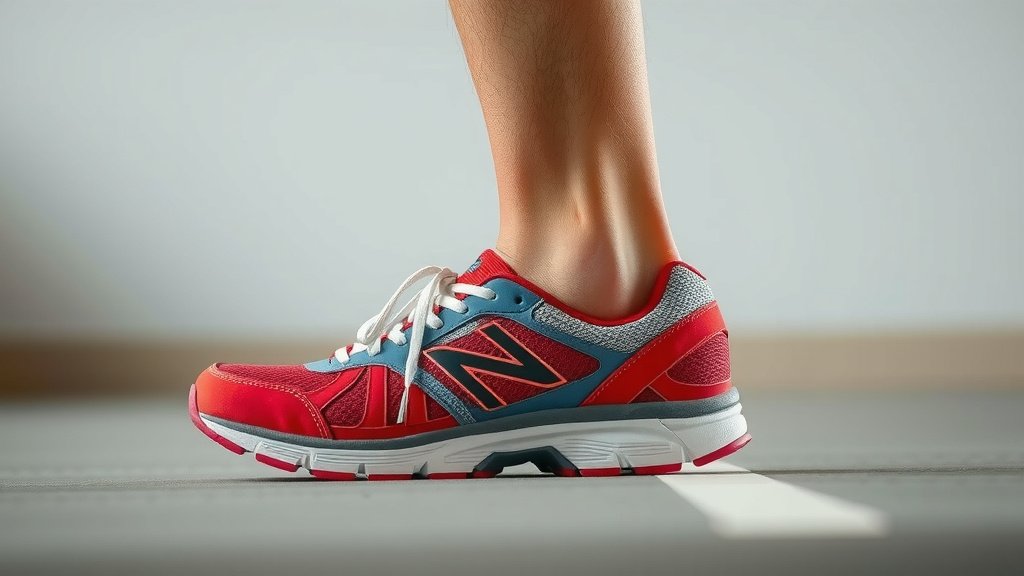
This is often where you’ll find the most advanced features for overpronation. Look for shoes labeled as “stability” or “motion control” running shoes. These are built with the supportive elements we discussed. They are designed to handle the repetitive impact of running. Many runners find immense relief by switching to these types of shoes.
Walking Shoes with Enhanced Support
If running isn’t your thing, don’t worry! Many walking shoes now incorporate support technologies. They might not be as rigid as some running shoes, but they offer a good blend of comfort and stability for everyday wear. Look for walking shoes that tout arch support and a firm midsole.
Everyday Shoes: Comfort Meets Control
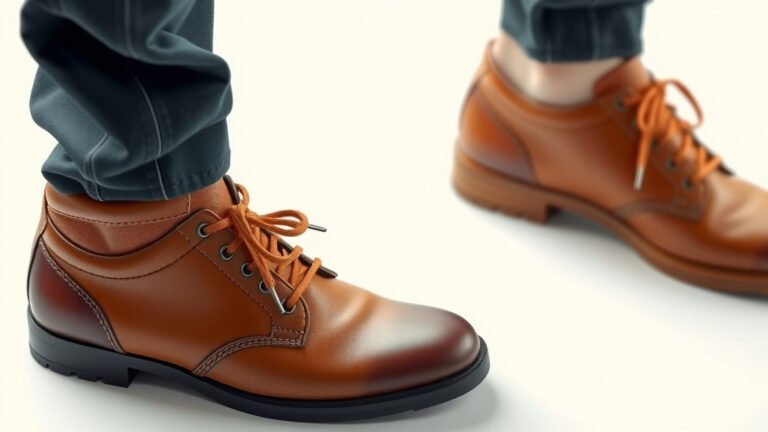
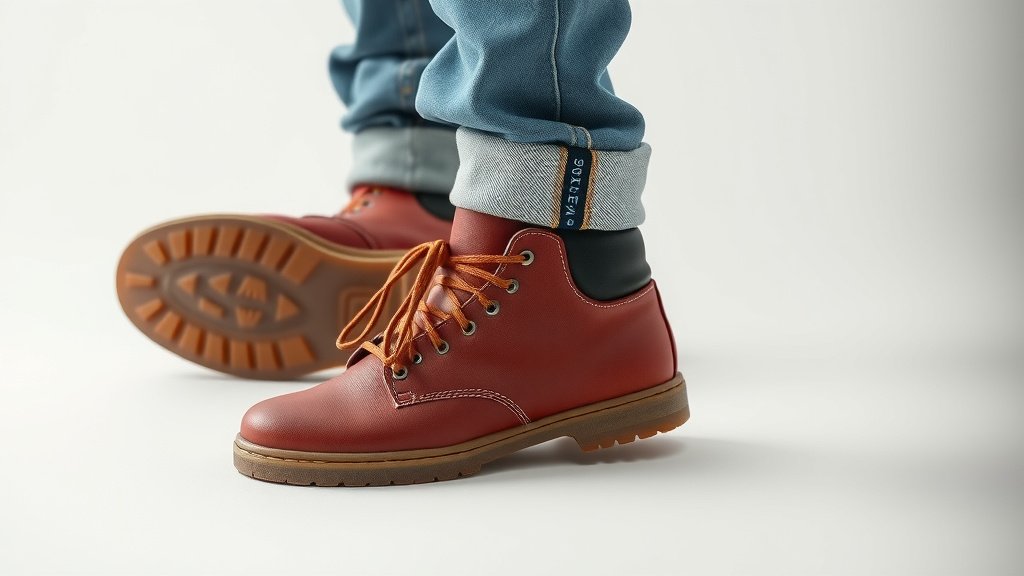
Even casual shoes can offer help. Brands are increasingly incorporating supportive insoles and stable constructions into everyday sneakers, boots, and even some dressier options. You might not find a full medial post, but a good, supportive shoe can make a difference in your daily comfort. We found that choosing supportive casual shoes is often overlooked but highly effective.
How to Choose the Right Pair for You
Finding the perfect shoe isn’t just about ticking boxes; it’s about how they feel on *your* feet. Here’s a practical guide:
Get Your Feet Professionally Analyzed
Many specialty running or shoe stores offer gait analysis. They can watch you walk or run on a treadmill. This helps them identify your specific foot strike and pronation pattern. This information is incredibly helpful for selecting the right shoe type. We found this to be a game-changer for many people.
Try Before You Buy – And Walk Around!
Never buy shoes online without trying them on first, especially if you’re dealing with overpronation. Wear the type of socks you normally would. Walk around the store for a few minutes. Do they feel supportive? Is there any pinching or rubbing? Pay attention to how your arch feels supported and if the shoe feels stable.
Consider Your Activity Level
The best shoe for a marathon runner might be overkill for someone who only walks short distances. Match the shoe’s features to your typical activities. A shoe with strong motion control might be great for sports, but a more flexible stability shoe could be better for daily walking.
What to Expect: Realistic Outcomes
It’s important to have realistic expectations. Shoes are a fantastic tool for managing overpronation symptoms. They can significantly reduce pain and prevent issues from worsening. However, they don’t change the underlying structure of your foot. For some, shoes are enough. For others, a combination of supportive shoes and other interventions might be needed. We’ve seen that consistency is key – wearing the right shoes regularly yields the best results.
Your Checklist for Finding Supportive Shoes
- Check for a firm heel counter.
- Ensure good arch support.
- Look for “stability” or “motion control” labels.
- Try them on and walk around the store.
- Wear your usual athletic socks.
- Trust how they feel on your feet.
Conclusion
You’ve learned that while shoes can’t cure overpronation, they are a powerful ally in managing it. By focusing on shoes with excellent arch support and motion control features, you actively help guide your feet into a more neutral alignment. We found that the right footwear can significantly reduce discomfort and prevent further issues. Don’t underestimate the impact of a supportive stride. Your next step is to visit a specialty shoe store for a gait analysis and try on shoes that feel genuinely supportive and comfortable for your unique feet. Listen to your body; it will tell you what works.
Frequently Asked Questions
Can I wear any shoe with arch support for overpronation?
While any arch support is better than none, shoes specifically designed for stability or motion control will offer the most effective help for overpronation. Look for features like a firm heel counter and a sturdy midsole. Generic arch support might not be enough to counteract excessive inward rolling.
How long does it take to feel a difference with new shoes for overpronation?
Many people notice improved comfort within a few days of wearing supportive shoes regularly. It’s a gradual process as your feet adjust. Some find significant relief immediately, while others might need a week or two to fully adapt. Consistent wear is key to experiencing the benefits.
Are motion control shoes only for runners?
No, motion control shoes are beneficial for anyone experiencing overpronation, not just runners. If you walk a lot or are on your feet all day, the stability and control offered by these shoes can greatly reduce fatigue and pain. Many brands offer motion control options for walking and casual wear.
What if my overpronation is severe? Will shoes be enough?
For severe overpronation, supportive shoes are essential but might not be the only solution. You may also benefit from custom orthotics, physical therapy, or specific foot-strengthening exercises. We found that a combination approach often yields the best results for more pronounced cases.
Can I use insoles in my regular shoes to help overpronation?
Yes, supportive insoles or orthotics can be a great addition, especially for shoes that lack adequate built-in support. Look for insoles designed to support the arch and control pronation. However, ensure they fit comfortably in your shoes and don’t make them too tight. Trying them in your shoes before purchasing is a good idea.