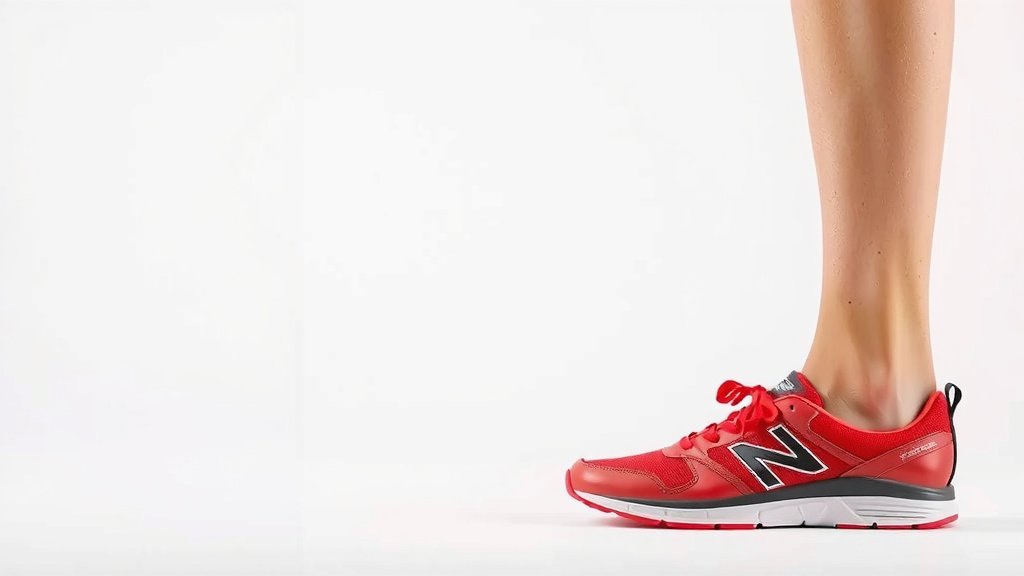
Orthotics vs Stability Shoes: Which is Right for You
When it comes to foot pain relief, orthotics and stability shoes address different issues. Orthotics are inserts you put inside your shoes to correct foot alignment problems, while stability shoes are built with features to limit excessive inward rolling of your foot. Choosing between them depends on your specific foot mechanics and needs.
Understanding the difference can help you find the right support for your feet. If you have overpronation, where your foot rolls inward too much, both might seem like options. But they work in distinct ways to improve your gait and reduce discomfort. We’ve looked at what makes each unique to help you make an informed decision.
- Orthotics are shoe inserts for alignment.
- Stability shoes have built-in support for overpronation.
- They address foot issues differently.
- Your specific needs determine the best choice.
Let’s break down exactly what orthotics and stability shoes are, and how they can help you find relief.
“`htmlUnderstanding Support: Orthotics Versus Stability Shoes
When your feet ache, finding the right kind of support is key. You might be wondering if orthotics or stability shoes are the answer for you. They both aim to help, but they do it in very different ways. Let’s clear up the confusion so you can walk, run, and live more comfortably.
What Exactly Are Orthotics?
Think of orthotics as custom-made insoles for your shoes. They aren’t the shoes themselves, but rather inserts that go inside them. Their main job is to correct the way your foot functions. This means they can help realign your foot and ankle. They’re often prescribed by a doctor or podiatrist. Our guide to memory foam insoles explains how these custom-made insoles can help realign your foot and ankle.
How Orthotics Work Their Magic
Orthotics can be custom-molded to your unique foot shape. This precise fit allows them to control foot motion. For example, if your foot rolls inward too much (overpronation), orthotics can help limit that movement. They can also help lift flat feet or support high arches. The goal is to provide a stable base for your entire body.
When to Consider Orthotics
You might benefit from orthotics if you have specific foot conditions. These can include plantar fasciitis, flat feet, or high arches. They can also help with conditions like bunions or heel spurs. Many people find relief from general foot pain and fatigue. If your pain is linked to how your foot moves, orthotics could be a good choice.
Exploring the World of Stability Shoes
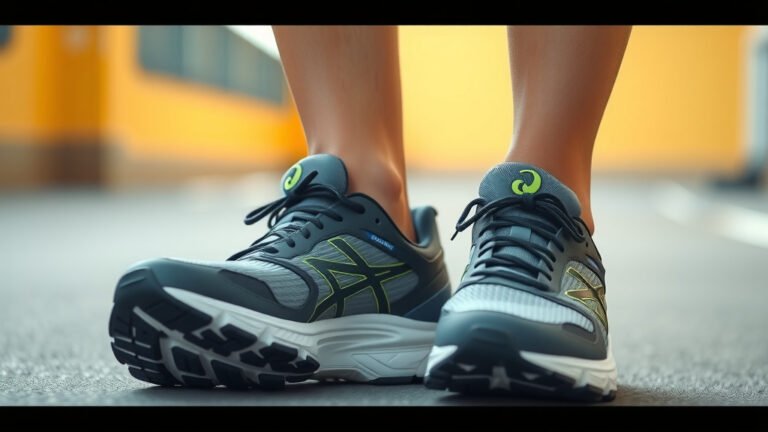
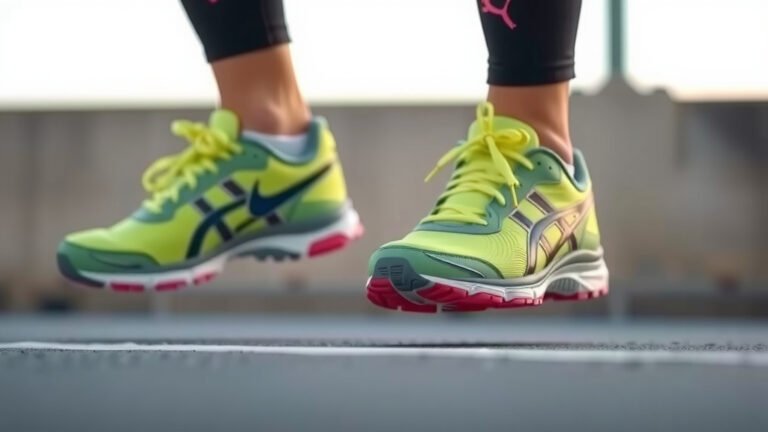
Stability shoes are a type of athletic footwear. They are designed to offer support and cushioning. Their construction focuses on helping people whose feet tend to overpronate. This means their feet roll inward more than they should during movement. Stability shoes aim to limit this excessive motion.
The Anatomy of a Stability Shoe
These shoes have specific features built into their design. You’ll often find a denser foam, sometimes called a “medial post,” on the inside part of the shoe. This helps slow down the inward rolling motion. They also usually have a slightly stiffer sole than neutral shoes. Some have guide rails along the sides of the shoe to keep your foot aligned.
Who Benefits from Stability Shoes?
If you have moderate overpronation, stability shoes can be very helpful. Many runners and walkers with flatter arches find them comfortable. They can help prevent injuries that might happen from an unstable gait. If you feel like your current shoes wear out quickly on the inside edge, that’s a sign you might need stability.

Orthotics vs. Stability Shoes: A Direct Comparison
The main difference lies in where the support comes from. Orthotics are external inserts that modify an existing shoe’s function. Stability shoes have support built directly into their structure. You can put orthotics into almost any shoe, including neutral or stability shoes. Stability shoes are just that: a type of shoe.
Support vs. Correction: The Key Distinction
Stability shoes provide support to manage overpronation as it happens. They work with your foot’s natural motion to keep it more stable. Orthotics, on the other hand, aim to correct your foot’s biomechanics. They actively change how your foot lands and moves. This can lead to more significant adjustments over time.
Customization Factor
Orthotics are often custom-made for an exact fit and specific correction. This makes them highly personalized. Stability shoes offer a standardized level of support. While they cater to a common need (overpronation), they aren’t tailored to an individual’s exact foot structure in the same way.
Versatility and Cost
You can transfer orthotics from one pair of shoes to another. This can be cost-effective if you own multiple pairs of shoes. However, custom orthotics can be quite expensive upfront. Stability shoes are purchased as a unit. Their cost is comparable to other types of athletic shoes, but you need a pair of shoes for each activity.
When One Might Be Better Than the Other
If you have a mild to moderate need for overpronation control, a good pair of stability shoes might be enough. They offer a comfortable, integrated solution. If you have more severe alignment issues or specific medical conditions, your doctor will likely recommend orthotics. They can provide the precise correction needed.
| Feature | Orthotics | Stability Shoes |
|---|---|---|
| What it is | Inserts placed inside shoes | Type of shoe with built-in features |
| Primary Goal | Correct foot alignment and function | Manage overpronation and provide support |
| Customization | Often custom-made and highly personalized | Standardized support features |
| Usage | Can be moved between different shoes | Specific to the shoe itself |
| Best For | Specific foot conditions, significant alignment issues | Mild to moderate overpronation, general support needs |
Making Your Decision: A Quick Checklist
Deciding between orthotics and stability shoes can feel overwhelming. Here’s a simple checklist to help you think it through:
- Have you been diagnosed with a specific foot condition?
- Does your foot roll inward excessively when you walk or run?
- Do you experience pain in your arch, heel, or the ball of your foot?
- Are you looking for a solution that works across multiple shoe types?
- Do you prefer a shoe with integrated support features?
- Have you consulted a medical professional about your foot pain?
Your answers can guide you toward the best option for your comfort and foot health.
“`Conclusion
Deciding between orthotics and stability shoes boils down to your unique foot needs. If you have specific alignment issues or diagnosed conditions, custom orthotics offer precise correction. For general support and managing moderate overpronation, stability shoes provide an integrated solution within your footwear. Remember, your comfort and long-term foot health are the ultimate goals. If you’re unsure, consulting a podiatrist or physical therapist is your best next step to get personalized advice.
Frequently Asked Questions
Can I use orthotics with stability shoes?
Yes, you absolutely can combine orthotics with stability shoes. This can offer a double layer of support for your feet. It’s often recommended if you have significant overpronation and also need the corrective benefits of custom orthotics. Always ensure the combination feels comfortable and doesn’t cause new pain points.
How do I know if my shoes need replacing?
Look for signs of wear on the soles, especially on the inside edge if you overpronate. If the cushioning feels flat or the support has diminished, it’s time for new shoes. For stability shoes, the built-in support features can break down over time, usually after 300-500 miles of use.
Are stability shoes good for everyone with flat feet?
Stability shoes are often helpful for people with flat feet who tend to overpronate. However, not all flat feet cases involve overpronation. Some individuals with flat feet may do better in neutral shoes. It’s best to assess your specific gait pattern or consult a professional for the right recommendation.
How long does it take to get used to orthotics?
It typically takes a break-in period of one to two weeks to get used to new orthotics. You should start by wearing them for short periods, gradually increasing the duration. Listen to your body; if you experience significant discomfort, reduce wear time and consult your podiatrist.
Can stability shoes help with heel pain?
Stability shoes can indirectly help with some types of heel pain, particularly if it’s caused by overpronation. By providing better foot alignment and support, they can reduce strain on your plantar fascia. However, if your heel pain is due to other issues like a heel spur, orthotics might be a more direct solution.