How Running Shoes Work: The Science of Your Stride
Running shoes work by providing a carefully engineered combination of cushioning, support, and traction to protect your feet and enhance your stride. They absorb shock from impact, reduce strain on your joints, and help you grip the ground for better stability. It’s all about making your run feel smoother and safer.
When you hit the pavement or trail, your feet experience a lot of force. Running shoes are designed to manage this stress. Different shoe designs offer varied levels of cushioning and stability to suit different running styles and preferences. Many research studies confirm that the right shoes can play a big role in your comfort and injury prevention.
- Running shoes absorb impact to protect your feet.
- They offer support to guide your foot’s natural motion.
- Traction helps you maintain a stable and secure grip.
- Different shoes cater to various running styles.
- Choosing the right pair can enhance comfort and reduce injury risk.
Let’s take a closer look at how all those elements come together to help you on your runs.
How Running Shoes Actually Work for Your Feet
Running shoes are designed to be much more than just footwear. They’re precision tools for your feet. Their main job is to help you run more comfortably and safely. They do this by managing the forces that happen when your foot strikes the ground. Studies have shown that the right shoes can make a big difference.
The Cushioning Effect: Absorbing the Shock
Imagine dropping a glass on a hard floor. It shatters. Now imagine dropping that same glass onto a thick rug. It might be okay. Running shoes act like that rug for your feet. When you run, your feet hit the ground with a force many times your body weight. The cushioning in running shoes is key to absorbing this shock.
Midsole Materials: The Heart of Cushioning
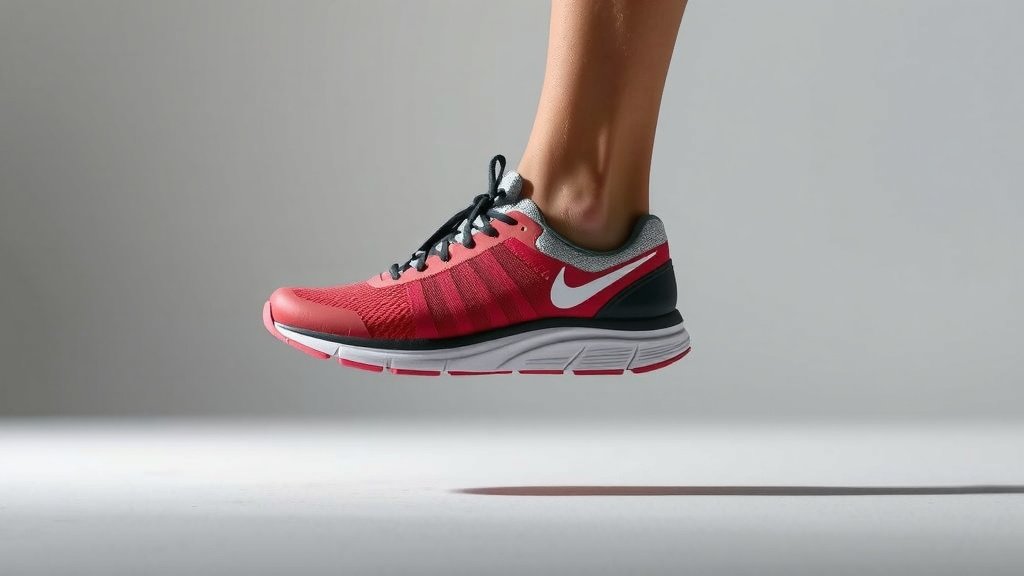
The midsole is the thickest part of the shoe, located between the upper and the outsole. This is where most of the cushioning magic happens. Manufacturers use various foam compounds to create this layer. Some foams are softer and offer a plush feel. Others are firmer and provide more responsiveness.
Research shows that different midsole densities can affect shock absorption and energy return (University of Iowa study on running shoe cushioning). A softer foam might feel more comfortable initially, but a firmer foam can sometimes help propel you forward more efficiently. It’s a balance.
Types of Cushioning
You’ll find different types of cushioning technologies. Some are very soft and pillowy. Others are designed to be bouncy and springy. Some shoes even combine different densities of foam in the midsole. This allows for targeted cushioning where you need it most.
Support Systems: Guiding Your Foot’s Motion
Beyond just cushioning, running shoes offer support. This support helps guide your foot through its natural motion as you run. It’s not about forcing your foot into an unnatural position. It’s about providing a little help where it’s needed most.
Understanding Pronation
Pronation is the natural inward rolling motion of your foot when it lands. Most runners pronate normally. However, some people overpronate (their foot rolls too far inward) or underpronate (their foot doesn’t roll inward enough). Running shoes are designed with different levels of support to help manage these variations.
Stability Features for Overpronation
If you overpronate, you might benefit from stability shoes. These shoes often have denser foam or plastic inserts on the inside of the midsole. This area is called the medial post. It helps slow down the rate of inward rolling. This can reduce stress on your ankles and knees.
Neutral Shoes for Normal Pronation
For runners with a neutral pronation, neutral shoes are usually the best choice. These shoes offer cushioning and support but don’t have the specific stability features for overpronation. They allow your foot to move more naturally through its gait cycle.
The Outsole: Grip and Durability
The outsole is the bottom layer of your running shoe. It’s the part that actually touches the ground. Its primary role is to provide traction and durability. You want to be able to grip the surface you’re running on.
Traction Patterns
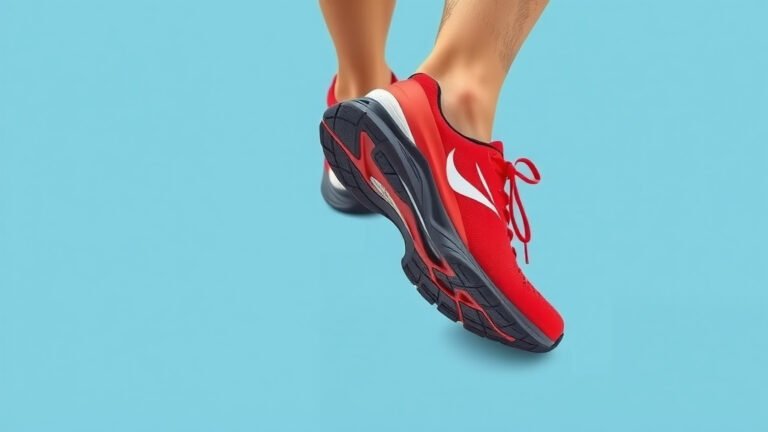
Outsoles have different tread patterns. These patterns are designed to give you grip on various surfaces. For road running, you’ll typically see flatter, more spread-out lugs. These offer good contact for smooth surfaces. Trail running shoes have deeper, more aggressive lugs. These dig into dirt and mud for better grip on uneven terrain. Outsoles have different tread patterns designed for various surfaces.
Rubber Compounds
The type of rubber used also matters. Some rubber compounds are softer and stickier, offering excellent grip but wearing out faster. Others are harder and more durable, lasting longer but potentially offering less grip. Shoe designers carefully choose rubber compounds to balance these factors.
The Upper: Comfort and Fit
The upper is everything above the midsole. This includes the laces, the tongue, and the material that wraps around your foot. Its main job is to keep your foot secure and comfortable within the shoe. A good upper prevents your foot from sliding around.
Breathability Matters
Most running shoe uppers are made from mesh or engineered knit materials. These materials are chosen for their breathability. This allows air to circulate, keeping your feet cool and dry. It helps prevent blisters and discomfort, especially on longer runs.
Secure Fit with Laces and Structure
The lacing system is vital for a secure fit. You can adjust how snug the shoe is by how you tie your laces. Some shoes also have overlays or structural elements in the upper. These add support and help lock your heel in place, preventing slippage.
Putting It All Together: A Symphony for Your Stride
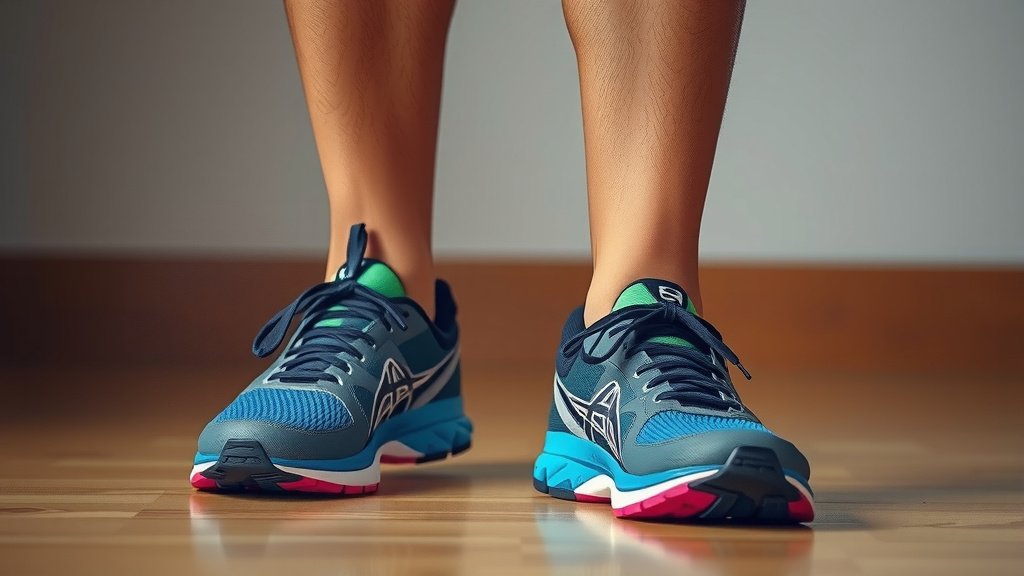
When you pick up a running shoe, you’re holding a piece of engineering. Every part has a purpose. The cushioning softens the impact. The support guides your foot. The outsole provides grip. The upper keeps you comfortable and secure.
Think of it like a suspension system in a car. The shocks absorb bumps. The frame keeps things stable. The tires grip the road. Running shoes do a similar job for your body with every stride you take.
Different running styles and needs mean different shoe designs. A runner who logs many miles on pavement will need different features than a trail runner. Your body weight, your gait, and your personal preferences all play a role. Finding the right shoe is about matching these features to your unique running experience.
Here’s a quick checklist to remember when thinking about your shoes:
- Does the cushioning feel right for your stride?
- Does the shoe support your foot type (neutral, stability)?
- Is the outsole providing good grip for your intended surfaces?
- Does the upper feel comfortable and secure without rubbing?
- Are the shoes lightweight enough for your preference?
Conclusion
Running shoes are more than just footwear; they’re finely tuned tools for your feet. We’ve seen how their cushioning absorbs shock, their support guides your natural stride, and their outsoles provide essential grip. The upper ensures a comfortable, secure fit for every run. Understanding these components helps you choose shoes that match your unique needs and running style. Take this knowledge to your next shoe fitting and select a pair that enhances your comfort and helps prevent injuries. Your feet will thank you for it.
Frequently Asked Questions
Can running shoes really help prevent injuries?
Yes, research consistently shows that the right running shoes can significantly reduce your risk of injury. By properly absorbing impact, providing adequate support for your foot’s mechanics, and offering good traction, they help manage the stress on your body during each stride.
What’s the difference between cushioning and support in running shoes?
Cushioning is all about shock absorption, making your run feel softer and more comfortable. Support, on the other hand, refers to features that guide your foot’s natural motion, like controlling overpronation to prevent excessive inward rolling of your foot.
How do I know if I need stability shoes or neutral shoes?
This often comes down to how your foot rolls inward when you land, known as pronation. Neutral shoes are for runners with normal pronation, while stability shoes are designed for those who overpronate and need extra help to control their foot’s roll.
Does the material of the midsole really matter?
Absolutely. The midsole is the heart of cushioning. Different foam compounds offer varying levels of softness, responsiveness, and durability. Some foams provide a plush feel, while others offer more energy return to help propel you forward.
Why do trail running shoes have different treads than road running shoes?
Trail running shoes feature deeper, more aggressive lugs on their outsoles. This design is meant to dig into uneven surfaces like dirt, mud, and rocks, providing the enhanced traction needed for stability on challenging terrain. Road shoes have flatter, more spread-out patterns for better contact and grip on pavement.