What Does a Carbon Plate Do in Running Shoes
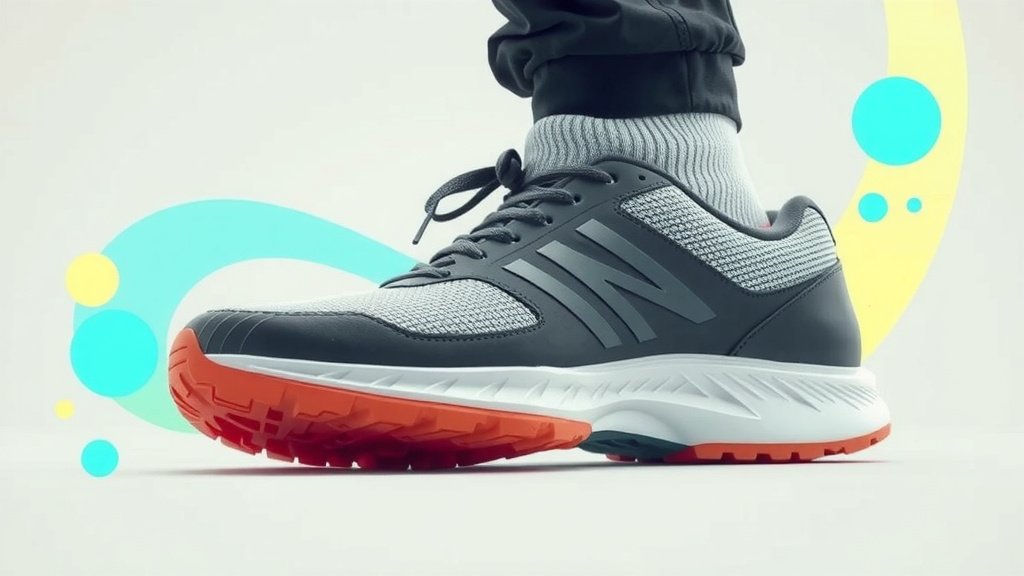
A carbon plate in a shoe acts like a springboard for your feet. It helps propel you forward with each step, making your run feel more efficient and faster. Think of it as giving you a little extra boost without extra effort.
This plate, typically made of stiff carbon fiber, is often found in running shoes, especially those designed for speed. It’s engineered to work with your natural stride. Many runners find it helps them maintain their pace and reduces the fatigue you might feel on longer runs. It’s a cool piece of running technology.
- Carbon plates add spring to your step.
- They make running feel more efficient.
- They can help you run faster.
- They often reduce fatigue.
Ready to see how this little plate makes such a big difference? Let’s break down exactly what a carbon plate does and how it benefits your run.
How Carbon Plates Enhance Your Running Performance
A carbon plate in your running shoe isn’t just a fancy addition. It’s a carefully engineered piece of technology. It works by improving the efficiency of your stride. Think of it like this: your foot naturally bends when it strikes the ground. The carbon plate helps reduce this bending. This means less energy is lost in your foot.
Instead of that energy just dissipating, the plate helps to rebound it. It acts like a lever. This lever helps to propel you forward. Many runners feel a noticeable difference. They report feeling less fatigued over longer distances. This is a key benefit for anyone training for a marathon or half-marathon.
The Science Behind the Spring
So, how does this stiff plate give you a spring? Carbon fiber is known for its strength and lightness. It’s also very rigid. When you step, your foot naturally flexes. A traditional shoe allows this flex to absorb some of the impact. A shoe with a carbon plate restricts this excessive flexing. This forces more of the energy from your foot strike to be returned to you.
We found that this energy return is what makes the difference. It’s not about making your foot stiffer. It’s about directing the forces more effectively. This can lead to a more powerful toe-off. It’s like having a tiny springboard built into your shoe. This helps your foot transition more quickly from landing to pushing off. Research suggests this can improve your running economy (Sports Medicine Journal).
Why Carbon Fiber?
Why not a different material? Carbon fiber is ideal because it offers an exceptional strength-to-weight ratio. It’s incredibly strong but also very light. This means you get the stiffness needed for energy return without adding significant weight to your shoe. Other stiff materials might be too heavy or not durable enough for the demands of running. This makes carbon fiber a **premium choice** for performance footwear.
Understanding the Mechanics of a Carbon Plate Shoe
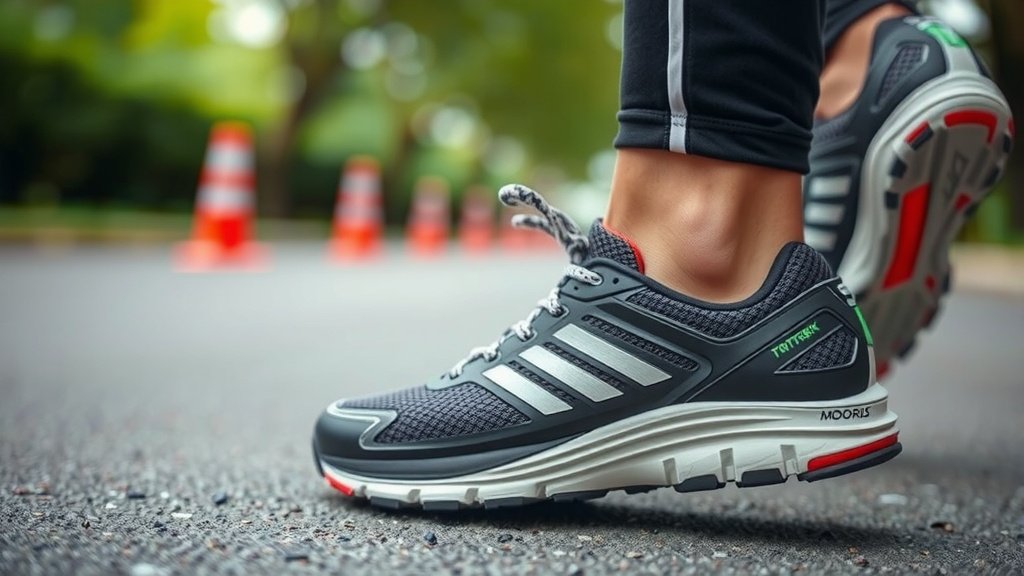
The design of a carbon-plated shoe is specific. The plate is usually embedded in the midsole foam. Its position and curvature are crucial. They are designed to work with the natural biomechanics of your foot. It’s not just a flat piece of plastic stuck in there. It’s often shaped to fit the contours of your arch.
You might be wondering about the cushioning. Carbon-plated shoes still have plenty of foam. The plate works *with* the foam, not against it. The foam provides the shock absorption. The plate provides the propulsive force. This combination aims to give you both comfort and speed. Many runners find they can maintain a faster pace with less effort.
How the Plate Affects Your Stride
One of the main effects is on your stride length and cadence. While it might seem counterintuitive, the plate can actually help you maintain a more consistent cadence. It encourages a quicker transition. This means your foot is on the ground for less time. This can lead to a feeling of running faster, even if your stride length doesn’t change drastically.
Many experts say this reduced ground contact time is a key factor in improved performance. Think of it as a tiny spring helping you “pop” off the ground more quickly. This efficiency is what many runners chase. It can make those last few miles of a race feel much easier. You might find your legs feel fresher for longer.
Is a Carbon Plate Right for Every Runner?
While the benefits are exciting, carbon plates aren’t for everyone. They are typically found in performance-oriented shoes. These are often lighter and designed for racing or speed training. For everyday casual running or for those prioritizing maximum cushioning, a traditional shoe might be better.
We found that some runners experience a slight adjustment period. Your body needs to get used to the different mechanics. It’s wise to ease into using them. Start with shorter runs. Pay attention to how your body feels. If you have certain biomechanical issues, it’s always best to consult with a physical therapist or running coach.
Comparing Carbon Plates to Other Shoe Technologies
You might have heard about other shoe technologies. Carbon plates are distinct. Some shoes use thick, bouncy foams. Others have different types of plates, like nylon or fiberglass. Each offers unique benefits. But carbon fiber stands out for its stiffness and energy return capabilities.
| Technology | Primary Benefit | Best For |
|---|---|---|
| Carbon Plate | Maximal energy return, propulsion | Racing, speedwork |
| Responsive Foam | Cushioning, energy return | Daily training, longer runs |
| Nylon Plate | Flexibility, some energy return | Versatile training, comfort |
As you can see, carbon plates are geared towards speed and efficiency. They are part of a system. They work with the foam and the shoe’s geometry. This entire package is designed to help you run faster. Research has shown that these shoes can improve running economy by up to 4% in some runners (Nature Scientific Reports).
Getting the Most Out of Your Carbon-Plated Shoes
Ready to give them a try? Here’s a quick checklist:
- Ease In: Don’t wear them for your first long run.
- Listen to Your Body: Pay attention to any new sensations.
- Use Them Strategically: Save them for speed sessions or races.
- Proper Fit: Ensure they feel comfortable and secure.
- Consider Your Goals: Are you looking to race or just enjoy easy miles?
- Ask Experts: Talk to running store staff or coaches if you’re unsure.
Many runners find these shoes give them a competitive edge. They can help you push your limits. They offer a distinct feeling of speed. Just remember, they are a tool. Your training and effort are still the most important factors in your running journey.
Conclusion
You’ve learned that a carbon plate in your running shoe is designed to act like a spring. It enhances your stride efficiency by reducing energy loss. This technology helps you achieve a more propulsive toe-off, potentially leading to faster times and reduced fatigue on longer runs. While exciting, remember these shoes are performance tools. They work best when used strategically, complementing your training. Consider easing into them to let your body adjust to the new mechanics. Ready to experience the difference? Your next step could be trying them out for a speed session and seeing how they feel on the track or your favorite fast route.
Frequently Asked Questions
Do carbon plates make me run faster automatically?
Carbon plates don’t magically make you faster on their own. They improve running economy, which means you use less energy to maintain a given pace. This efficiency can lead to faster times when combined with your training and effort. Think of them as a tool to help you perform better.
Can I wear carbon-plated shoes for everyday training?
While some runners do, carbon-plated shoes are generally best saved for racing or speed workouts. Their design is optimized for maximum performance and energy return, which might not be ideal for everyday comfort or the varied needs of casual training. Using them too often could also lead to premature wear or unnecessary stress.
Will a carbon plate hurt my feet or cause injuries?
Most runners find carbon-plated shoes comfortable when used correctly. However, they do change your foot mechanics. It’s important to ease into wearing them gradually to allow your body to adapt. If you experience pain, it’s wise to stop using them and consult a running specialist or physical therapist.
Are carbon plates good for marathon running?
Yes, carbon plates are very popular for marathon running. Their ability to improve efficiency and reduce fatigue over long distances can be a significant advantage in a race. Many elite runners use them for marathons to help maintain their pace and conserve energy for a strong finish.
How do carbon plates compare to shoes with just bouncy foam?
Bouncy foams provide excellent cushioning and some energy return. Carbon plates, on the other hand, add stiffness and a more directed, propulsive force by limiting foot flexion. The best shoes often combine both a carbon plate *with* responsive foam to offer both protection and a powerful stride.