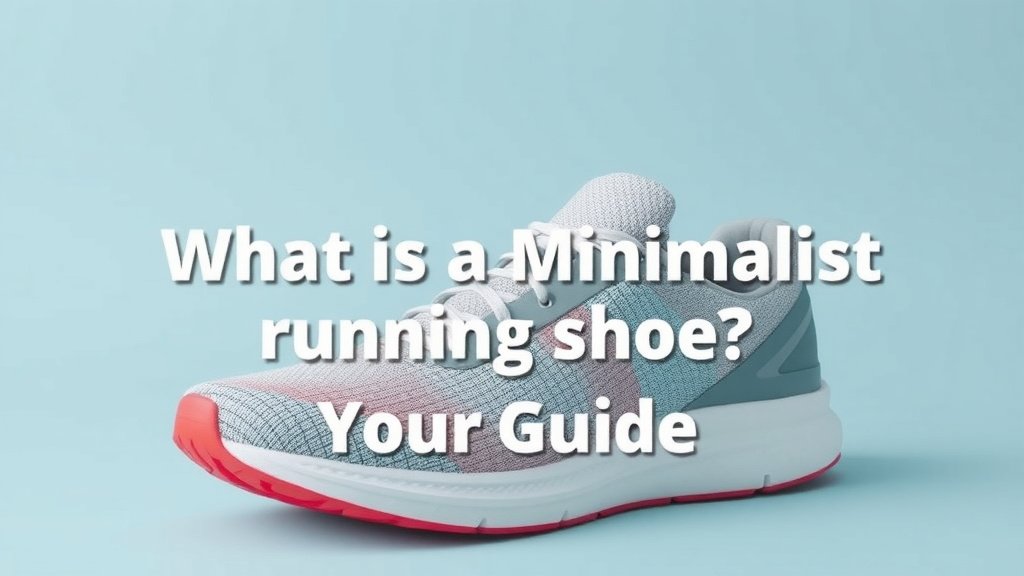
What is a Minimalist Running Shoe? Your Guide
A minimalist running shoe is designed to be very lightweight and flexible. It offers minimal cushioning and support. The goal is to feel more natural on your feet. This type of shoe mimics the feeling of running barefoot. It helps strengthen your foot muscles over time.
Think of it as a shoe with just the essentials. You get basic protection from the ground. But you don’t get bulky soles or heavy materials. Many runners find they improve their form. They might notice a better stride. This can lead to fewer injuries for some.
- Minimalist running shoes are lightweight.
- They have very little cushioning and support.
- They aim to feel natural, like running barefoot.
- This can help strengthen your foot muscles.
- They offer basic ground protection.
Ready to learn more about these unique shoes? We’ll break down what makes them different and who they’re best suited for. Let’s dive in!
Understanding Minimalist Running Shoes
So, what exactly defines a minimalist running shoe? Think of them as the bare essentials for your feet when you run. They strip away all the extra padding, support structures, and heavy materials you find in traditional running shoes. The main idea is to get as close to that natural, barefoot running feeling as possible.
These shoes prioritize a connection with the ground. You can often feel the texture of the path beneath you. This is a big departure from highly cushioned shoes that can sometimes feel like you’re running on clouds. We’re talking about a shoe that lets your feet do more of the work. It’s about natural movement and strengthening.
What They Are NOT
It’s helpful to know what minimalist shoes aren’t. They are not orthotics. They don’t have built-in arch support designed to correct your gait. You won’t find thick, energy-returning foams. They also lack the stability features that guide your foot through a specific motion. If you’re looking for a shoe to fix a pronation issue, this likely isn’t it.
Key Features of Minimalist Shoes
Let’s break down the core characteristics. These are the things that make a shoe fall into the minimalist category. They are quite distinct.
Low or Zero Heel-to-Toe Drop
This is a big one. Many shoes have a difference in height between the heel and the toe. This is called the heel-to-toe drop. Minimalist shoes typically have a drop of 0 to 4 millimeters. Traditional shoes can have drops of 10mm or more. A lower drop encourages you to land more on your midfoot or forefoot. This can change your running form.
Minimal Cushioning
As mentioned, cushioning is kept to a bare minimum. The goal isn’t to absorb shock for you. Instead, the shoe offers just enough to protect your foot from sharp objects or rough surfaces. You’ll feel the ground more. This helps your body learn to absorb impact naturally through your muscles and tendons. Experts suggest this can lead to stronger feet over time (American Academy of Podiatric Sports Medicine).
Flexibility and Lightweight Design
Minimalist shoes are incredibly flexible. You can often bend them in half easily. They are also very light. This lack of bulk allows your foot to move more freely. It mimics the natural mechanics of your foot. Less weight also means less energy spent lifting your feet with each stride.
Wide Toe Box
You’ll often notice that minimalist shoes have a wider toe box. This gives your toes plenty of room to spread out naturally. When your toes splay, it provides a more stable base for your foot. This is particularly helpful when you’re pushing off the ground. It allows for better balance and a more efficient stride.
Who Benefits from Minimalist Running Shoes?
These shoes aren’t for everyone, but they can be fantastic for the right runner. It’s all about your body and your running goals.
Runners Seeking Natural Form
If you’re interested in learning to run with a more natural gait, minimalist shoes can be a tool. By removing the artificial support and cushioning, they encourage your feet and legs to work as they’re designed to. Many runners report feeling a better connection to their stride. They might notice they land softer and their cadence increases.
Strengthening Foot and Lower Leg Muscles
Running in minimalist shoes requires your feet and lower legs to do more work. This can lead to increased strength in your Incorporating specific exercises can help build strength in your foot muscles for minimalist running.foot muscles, ankles, and calves. Think of it like going to the gym for your feet! Over time, stronger muscles can help support your joints better. They can potentially reduce your risk of certain injuries.
Runners Transitioning from Barefoot Running
For those who enjoy running barefoot but need some protection, minimalist shoes are a great bridge. They offer a similar sensation without exposing your feet to every pebble and hazard. It’s a way to get that barefoot feel with added ground protection.
Experienced Runners with Good Form
If you’re already an experienced runner with a solid, efficient running form, you might find minimalist shoes feel great. They can enhance your natural stride. They allow you to feel the road beneath you. However, it’s crucial to have good biomechanics already in place. You don’t want to add extra strain.
Are Minimalist Shoes Right for You? A Quick Checklist
Before you jump in, ask yourself these questions. It can help you decide if they fit your running style and goals.
- Do you want to feel more connected to the ground while running?
- Are you interested in strengthening your foot and lower leg muscles?
- Do you already have a natural running form or are you working on improving it?
- Are you prepared to transition slowly to avoid injury?
- Do you have any existing foot or lower leg injuries that might be aggravated by less support?
- Are you looking for a shoe that mimics barefoot running?
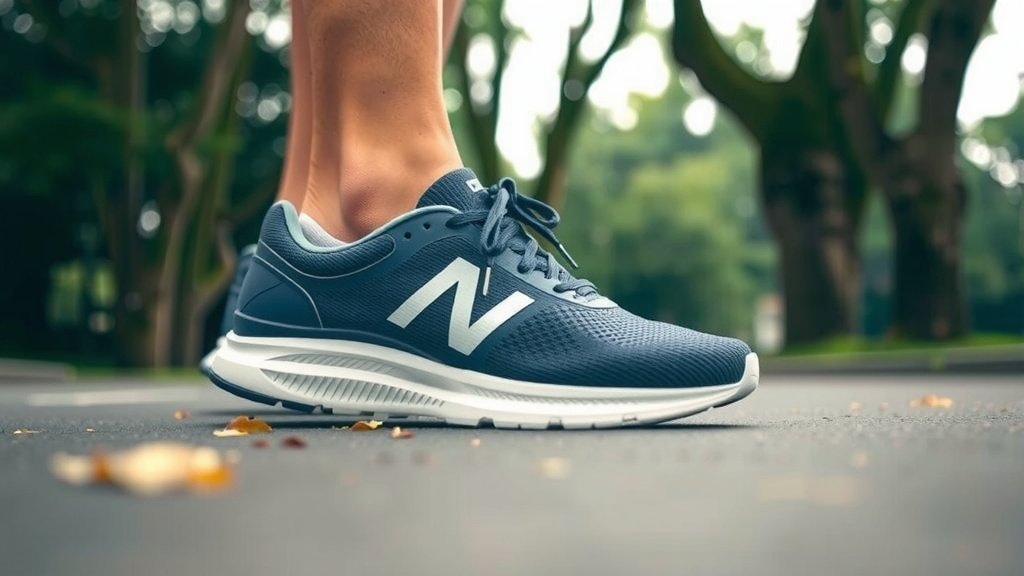
Making the Transition to Minimalist Shoes
Switching to minimalist running shoes is not something to rush. Your body needs time to adjust. Jumping in too quickly can lead to soreness or even injury. Here’s how to approach it wisely. Switching to minimalist running shoes requires a transition slowly to avoid injury.
Start Slowly and Gradually
Begin by wearing your minimalist shoes for short, easy runs. Maybe start with just a mile or two. You can alternate them with your regular shoes. Over weeks, slowly increase the duration and frequency of your runs in the minimalist shoes. Listen to your body. If you feel pain, back off.
Focus on Your Form
Minimalist shoes naturally encourage a different foot strike. Try to land with your foot underneath your body. Aim for a lighter, quicker cadence. Think about a gentle landing rather than a heavy impact. Many find that shortening their stride helps them achieve this.
Strength Training is Key
As your feet and lower legs take on more work, incorporating specific strength exercises can be beneficial. Calf raises, toe curls, and balance exercises can help prepare your body. Building strength helps your body adapt to the demands of minimalist running. It’s a smart way to support your transition.
Be Patient with Your Body
This transition takes time. It could be weeks or even months. Don’t get discouraged if you don’t feel like a minimalist running pro overnight. Celebrate small victories. Focus on how your body feels and how your running is evolving. Patience is your greatest ally here.
What About Ground Feel vs. Protection?
One of the defining aspects of minimalist shoes is the ground feel. You get a much more direct sensation of the surface you’re running on. Some runners love this. They feel more in tune with their environment. It can help them adjust their stride based on the terrain.
However, this also means less cushioning. While they offer protection from sharp objects, they don’t absorb the impact of each step in the way a heavily cushioned shoe does. Your body’s natural shock absorption systems take over. This is why the transition needs to be gradual. It’s a trade-off between feeling the earth and having a thick buffer.
| Feature | Minimalist Running Shoe | Traditional Running Shoe |
|---|---|---|
| Cushioning | Very little or none | Moderate to maximum |
| Heel-to-Toe Drop | 0-4 mm | 4-12+ mm |
| Flexibility | High | Moderate to low |
| Weight | Very light | Moderate to heavy |
| Support Features | Minimal to none | Often includes stability or motion control features |
| Ground Feel | High | Low |
Conclusion
You’ve learned that minimalist running shoes offer a stripped-down experience. They encourage a more natural stride by reducing cushioning and support. This can lead to stronger feet and a better connection to the ground. Remember, the transition is key. Start slowly, focus on your form, and be patient with your body’s adaptation. If you’re seeking a more barefoot-like feel and want to strengthen your running mechanics, these shoes might be your next step. Consider trying a short run in them to see how they feel!
Frequently Asked Questions
Can anyone switch to minimalist running shoes?
While many runners can benefit, minimalist shoes aren’t for everyone. It’s best if you have good running form already or are actively working to improve it. If you have certain foot or leg injuries, consult with a doctor or physical therapist first.
How long does it take to get used to minimalist running shoes?
The transition period varies greatly among individuals. It can take anywhere from a few weeks to several months. Listen closely to your body. Gradually increasing mileage and intensity is essential to avoid overexertion or injury.
Will minimalist shoes help me run faster?
Minimalist shoes may help you develop a more efficient stride, which can indirectly lead to improved speed over time. They encourage a higher cadence and a midfoot or forefoot strike. However, they don’t offer the same energy return as some highly cushioned shoes.
Are minimalist shoes good for all types of running surfaces?
Minimalist shoes provide excellent ground feel, which can be great for smooth trails or roads. For very rocky or technical terrain, you might want to ensure the shoe has adequate outsole protection. Some models offer more durability than others.
What’s the main difference between minimalist and barefoot shoes?
Barefoot shoes often have zero drop and very minimal protection, essentially mimicking running barefoot. Minimalist shoes also have a low drop and minimal cushioning, but they typically offer a bit more protection from the ground and a slightly more structured feel than true barefoot shoes.