Rotate Your Running Shoes: A Simple Guide
Rotating your running shoes is a fantastic way to extend their lifespan and reduce your risk of injury. The simple act of alternating between two or more pairs means each shoe gets a much-needed rest. This allows the cushioning materials to fully recover between runs, performing better for longer. You’re essentially giving your feet a break too!
When you wear the same pair of shoes for every single run, they get compressed. This compression can happen quickly, especially if you’re logging a lot of miles. Experts say that rotating shoes helps maintain their shock absorption capabilities. It also lets your feet adjust to slightly different support patterns, which is a smart strategy for staying injury-free.
- Alternate between 2-3 pairs of running shoes.
- Let shoes rest for 24-48 hours between wears.
- This allows cushioning to recover and prevents premature wear.
- It can also help reduce the risk of common running injuries.
- Proper rotation saves you money and keeps you running comfortably.
Ready to give your shoes (and your feet!) the break they deserve? Let’s walk through exactly how to implement a shoe rotation strategy for your running routine.
Smart Ways to Rotate Your Running Shoes
Think of your running shoes like tiny, hardworking muscles. They need rest to recover and perform their best. Rotating your shoes means giving them this essential downtime. It’s a simple habit that can make a big difference for your feet and your running goals. You’re not just saving your shoes; you’re investing in your long-term running health.
Why Shoe Rotation Matters So Much
When you run, the foam in your shoes gets compressed. This is how they absorb shock. Over time, and with repeated compression, this foam loses some of its bounce and support. It’s like how a sponge gets flattened if you sit on it all day.
Researchers have found that running in the same pair every day can lead to this compression happening faster. When the cushioning is less effective, your body has to work harder to absorb impact. This increased stress can contribute to common running injuries like shin splints or plantar fasciitis. Giving your shoes a day or two off allows that foam to expand back to its original shape, restoring its shock-absorbing qualities.
The Science Behind Shoe Recovery
It takes time for the materials in your running shoes to decompress. We found that 24 to 48 hours is generally recommended for the cushioning to fully rebound. This period allows the midsole foam, often made of EVA or TPU, to regain its structure. Think of it as letting a compressed spring uncoil.
This recovery period is also beneficial for your feet. Different shoes offer slightly different support and fit. Alternating can help strengthen various small muscles in your feet and ankles. It also prevents your feet from becoming too accustomed to one specific type of support, which can sometimes lead to imbalances. Many physical therapists suggest this varied approach for injury prevention.
How Many Pairs Do You Actually Need?
For most recreational runners, two to three pairs of running shoes is a good starting point. If you’re running 3-4 times a week, having two pairs means each shoe gets plenty of rest. If you’re a high-mileage runner or train frequently, three pairs might be more appropriate to ensure adequate recovery time.
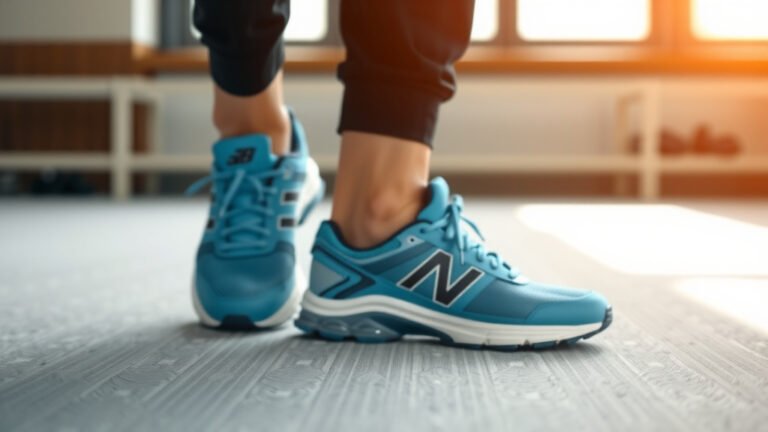
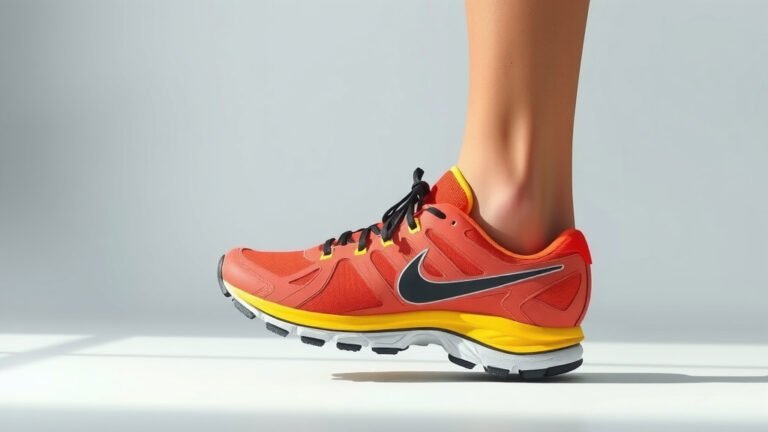
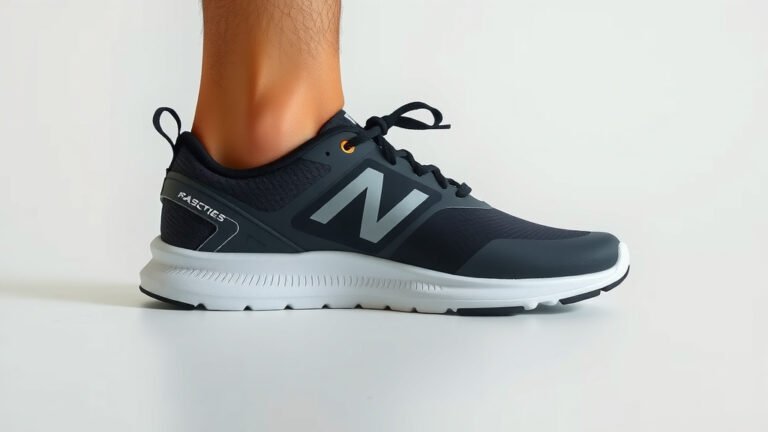
Consider the type of runs you do. You might have one pair for long, slow runs and another for faster tempo workouts or races. Different shoes are designed with different types of runs in mind. Having a couple of options allows you to choose the best shoe for the job and also provides that all-important rotation.
Setting Up Your Shoe Rotation System
Getting started with shoe rotation is simpler than you might think. The goal is to avoid wearing the same pair for consecutive runs.
The ’24-Hour Rule’ in Action
The easiest way to think about this is the 24-hour rule. If you ran in a pair of shoes today, don’t wear them tomorrow. Use a different pair for your next run. This ensures they have at least a full day to recover.
For example, if you run on Monday, wear Pair A. On Tuesday, opt for Pair B. By Wednesday, Pair A will have had over 48 hours to recover, making it ready to go again. This simple rhythm is a great way to begin.
When to Introduce New Shoes to the Rotation
When you get a brand-new pair of running shoes, it’s a good idea to integrate them gradually. Don’t just toss them into heavy rotation immediately. Start by wearing them for shorter runs or warm-ups. This allows your feet to get used to them.
We found that many runners prefer to ease new shoes in for about 10-20 miles before considering them a primary rotation shoe. This also helps break them in slightly, making them more comfortable for longer efforts. The older shoes in your rotation should also be nearing the end of their life, so this transition period is key.
Keeping Your Rotation Running Smoothly
Rotation isn’t just about grabbing any old pair. There are a few more tips to keep your system working effectively.
Listen to Your Feet and Your Shoes
Your body will often tell you when a shoe is past its prime. If you start noticing new aches or pains, or if your shoes feel flat and unresponsive, it might be time to retire them. The average lifespan for a running shoe is often cited between 300 and 500 miles, but this can vary greatly based on the shoe, your weight, and how you run (NIH).
Pay attention to the outsole, too. Excessive wear on the heel or forefoot can be another sign. If the cushioning feels less effective, even after a rest period, it’s likely time for a new pair. Don’t push a worn-out shoe too hard; it’s a recipe for injury.
Proper Care for Your Rotating Fleet
To maximize the life of your shoes, give them some basic care. After a run, especially if it was a muddy or wet one, take out the insoles and let them air dry. Do not put running shoes in the washing machine or dryer. High heat can damage the adhesives and the foam. A simple wipe-down with a damp cloth is usually all that’s needed for cleaning.
Store your shoes in a cool, dry place away from direct sunlight. This helps prevent the materials from degrading prematurely. Proper care ensures that each pair in your rotation can serve you well for longer.
When to Consider Different Types of Shoes
As you build your rotation, think about the variety of runs you do. You might have a lightweight, responsive shoe for speedwork and races. Then, a more cushioned, supportive shoe for your everyday miles and long runs. Some runners also benefit from trail running shoes for off-road adventures.
Having shoes with slightly different characteristics can offer a more balanced approach to training. It’s like having different tools for different jobs. This variety can help prevent overuse injuries that might arise from consistently using a shoe with a very specific design.
Simple Checklist for Shoe Rotation Success
- Have at least two pairs of running shoes.
- Let shoes rest for 24-48 hours between runs.
- Integrate new shoes gradually into your routine.
- Listen to your feet for signs of wear or injury.
- Inspect shoes for outsole wear and cushioning loss.
- Keep shoes clean and air dry them properly.
Conclusion
Rotating your running shoes is a smart investment in your running health. You’ve learned how giving your shoes 24-48 hours of rest lets their cushioning recover. This simple habit helps maintain shock absorption and can significantly reduce injury risk. By alternating between 2-3 pairs, you not only extend your shoes’ life but also give your feet a more balanced training experience. So, the next time you lace up, make sure you’re reaching for a pair that’s had its well-deserved break. Start your shoe rotation today and feel the difference!
Frequently Asked Questions
How often should I rotate my running shoes?
Aim to rotate your shoes so no pair is worn for consecutive days. If you run most days, having two or three pairs and switching them daily is ideal. This ensures each shoe gets at least 24-48 hours to recover between runs.
What happens if I don’t rotate my running shoes?
If you consistently run in the same pair, the cushioning material compresses faster. This reduces their shock-absorbing ability, potentially leading to increased impact on your body and a higher risk of running injuries.
Can I mix different brands or types of shoes in my rotation?
Yes, you absolutely can! Mixing brands or types of shoes can be beneficial. Different shoes offer varied support and cushioning, which can help strengthen different muscles and prevent overuse injuries.
How do I know when it’s time to retire a shoe from my rotation?
Listen to your body and inspect your shoes. If you start feeling new aches or pains, or if the cushioning feels flat and unresponsive even after resting, it’s likely time. Look for significant wear on the outsole as well.
Can I wear my rotating shoes for walking or other activities?
It’s best to reserve your dedicated running shoes for running. Wearing them for walking or other activities can add unnecessary wear and tear, reducing their lifespan for their primary purpose and potentially affecting their cushioning recovery.