Gravel Running Shoe Guide: Find Your Perfect Fit
Choosing the right running shoes for gravel trails is all about finding the sweet spot between cushioning, traction, and protection. You want shoes that can handle uneven surfaces without feeling too clunky. Look for models with a lugged outsole for better grip and a rock plate to shield your feet from sharp debris. Good support is also key for longer runs.
Gravel running presents unique challenges compared to roads or singletrack. You need shoes that offer more grip than your average road shoe. They also need to be tougher than trail shoes designed for mud. Many runners find that a shoe with a protective toe bumper and a sturdy midsole works best. This combination helps you feel secure on the trail.
- Look for deep lugs on the outsole.
- A rock plate protects your feet from sharp objects.
- Consider shoes with a wider toe box for stability.
- Prioritize durable uppers that can withstand abrasion.
- Ensure they offer enough cushioning for your distance.
Ready to find your perfect gravel running pair? Let’s dive into the details you need to know to make the best choice for your feet.
Selecting Your Ideal Gravel Running Footwear
Choosing the right running shoes for gravel trails is all about finding that perfect balance. You need a shoe that offers grip, protection, and comfort for those mixed terrains. Gravel paths can be tricky. They’re not as smooth as roads but not as technical as rocky singletrack. Your feet need specific support and features to handle the unique demands of this surface.
The goal is to feel secure and protected without your shoes weighing you down. We’ve found that prioritizing key features can make a world of difference. Let’s break down what you should look for to find your perfect gravel running companion.
Understanding Gravel Trail Needs
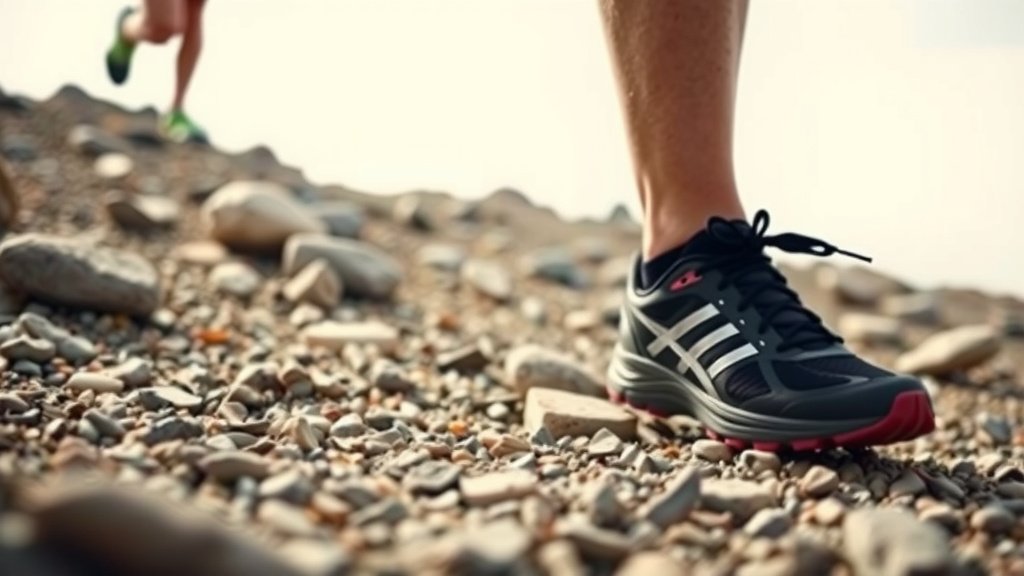
Gravel trails present a distinct challenge for your feet. The surface is often uneven. It can be loose, or packed down. Sharp stones and debris are common. This means your shoes need to perform differently than those for pavement or softer trails. You’ll want a shoe that feels stable and offers good traction. It also needs to shield your feet from impact.
Grip and Traction: Your First Line of Defense
When running on gravel, traction is incredibly important. Loose surfaces mean your feet can slip if your shoes don’t have enough bite. You need outsoles designed to grab onto small stones and packed dirt. This prevents accidental slides and keeps your pace consistent. Think of it like your car tires needing good tread in wet conditions; your running shoes need it for gravel.
The Power of Lugs
Look closely at the bottom of the shoe, the outsole. You’ll want to see deep, well-spaced lugs. These are the small rubber protrusions. Deeper lugs dig into softer surfaces for better grip. Spaced-out lugs help shed mud and small stones, so they don’t get packed in. This keeps the traction effective. Many gravel-specific shoes feature multidirectional lugs for grip on ascents, descents, and sidehills.
Protection from Trail Hazards
Gravel isn’t always soft. You’ll encounter sharp rocks, twigs, and other pointy things. Your feet need protection from these hazards. Running with constantly worrying about stepping on something sharp is not fun. It can also lead to painful injuries. Good protection means you can focus on your run, not on every single pebble.
The Role of a Rock Plate
Many trail running shoes, including those good for gravel, come with a rock plate. This is a thin, flexible layer embedded in the midsole, often made of stiff nylon or plastic. Its main job is to act as a shield. It deflects sharp objects from penetrating the sole and reaching your foot. Research from shoe manufacturers often highlights rock plates as a key feature for trail protection. Some shoes use thicker midsoles for protection, but a rock plate offers targeted defense.
Toe Protection Matters
Another protective element to consider is the toe bumper. This is a reinforced rubber cap at the very front of the shoe. It protects your toes from stubbing them on rocks or roots. It also adds durability to the shoe’s upper, which can get a lot of abrasion on gravel trails. A robust toe bumper is a small feature that offers significant peace of mind.
Finding the Right Cushioning and Support
Beyond grip and protection, how the shoe feels underfoot is vital. Gravel running can be harder on your legs than running on softer surfaces. The right cushioning can absorb shock and reduce fatigue. Support helps maintain good form, especially on longer runs.
Cushioning Levels Explained
Cushioning preferences are personal. Some runners like a very soft, plush feel. Others prefer a firmer, more responsive ride. For gravel, a moderate amount of cushioning is often ideal. Too little, and you’ll feel every little bump. Too much, and you might lose ground feel and stability. Many experts suggest a balance – enough to absorb impact but not so much that it feels mushy.
Responsive vs. Plush
A responsive shoe has cushioning that springs back quickly. This can give you a snappier feel and help with energy return. A plush shoe offers a softer, more forgiving landing. For gravel, many runners find a shoe with a responsive-yet-cushioned midsole works best. It provides comfort without sacrificing the feeling of the ground beneath you, which aids in stability.
Midsole Stability and Support
The midsole is the cushioning layer between the outsole and the upper. Its construction greatly impacts stability. For gravel, you want a midsole that doesn’t collapse too easily under pressure. Some shoes use wider base midsoles for added stability. Others incorporate firmer materials on the sides or a more structured design.
The Toe Box and Width
Consider the toe box – the area where your toes sit. On uneven terrain, your foot might splay out a bit more for balance. A wider toe box allows your toes to spread naturally. This can improve stability and comfort, especially on longer runs. If your toes feel cramped, it can lead to blisters and discomfort. Many gravel-specific shoes offer a more generous toe box compared to road shoes.
Durability and Upper Construction
Gravel trails can be abrasive. Your shoes need uppers that can withstand this wear and tear. They should also keep your feet comfortable and secure.
Material Matters for Longevity
Look for uppers made from durable, breathable mesh. Many gravel shoes use reinforced materials, especially around the forefoot and sides. These reinforcements help prevent tears and abrasions from sharp debris. A gusseted tongue, where the tongue is attached to the sides of the shoe, is also beneficial. It helps keep out debris like small stones and grit.
Water Resistance and Drainage
While you don’t necessarily need waterproof shoes for gravel, some water resistance can be helpful. Puddles can exist even on gravel paths. Many shoes offer a water-repellent coating. This can keep your feet drier in light moisture. However, very waterproof shoes can get hot and hold in sweat. Good drainage is also key. If water does get in, you want it to escape quickly.
Quick Checklist for Your Gravel Shoe Search:
- Deep, grippy lugs on the outsole.
- A protective rock plate in the midsole.
- A reinforced toe bumper for impact protection.
- Moderate cushioning for shock absorption and ground feel.
- A stable midsole with a generous toe box.
- Durable upper materials to resist abrasion.
Conclusion
You’ve learned how to pick the best gravel running shoes. It’s about balancing traction, protection, and comfort for those uneven paths. Remember to look for deep lugs, a rock plate, and durable materials. A good toe box and moderate cushioning will keep your feet happy. Now, you’re ready to confidently choose a pair that will let you enjoy every mile on the gravel. Go find your perfect fit and hit the trails!
Frequently Asked Questions
How do gravel running shoes differ from road running shoes?
Gravel running shoes have deeper, more aggressive lugs on the outsole for better grip on loose surfaces. They also typically include a rock plate for underfoot protection against sharp objects. Road shoes lack these features, making them unsuitable for gravel trails.
Can I use regular trail running shoes for gravel?
Often, yes. Many trail running shoes are well-suited for gravel because they already offer good traction and protection. However, some highly technical trail shoes designed for mud or rocks might feel overkill or less comfortable on packed gravel.
Do I really need a rock plate in my gravel running shoes?
A rock plate is highly recommended for gravel running. It acts as a shield against sharp stones and debris that can otherwise poke your feet. This protection significantly increases comfort and reduces the risk of foot injuries on rougher terrain.
How much cushioning is enough for gravel running?
Moderate cushioning is usually best for gravel running. You want enough to absorb impact and reduce foot fatigue on hard surfaces, but not so much that you lose ground feel and stability. Too little cushioning will make every pebble feel sharp.
Should I buy waterproof gravel running shoes?
Waterproof shoes can be helpful for very wet conditions, but they can also make your feet hot and hold in sweat. Many gravel runners prefer shoes with good drainage and a water-repellent upper that dries quickly. Consider your typical running conditions when making this choice.