What Does 2E Mean in Running Shoe Width?
A 2E running shoe width means your shoe is extra-wide. This designation is for runners who need more room in their shoes. It helps prevent discomfort and potential foot issues from tightness.
Finding the right running shoe width is vital for comfort and performance. Many runners underestimate its importance. An extra-wide fit can make a huge difference in your stride. It helps your feet move naturally.
- 2E is a standard designation for extra-wide shoes.
- This width is for runners who find regular widths too snug.
- Proper width prevents blisters, bunions, and other foot pain.
- It allows your foot to spread naturally during your run.
Ready to learn more about 2E widths and how to find the perfect fit for your feet? Let’s dive in!
“`htmlUnderstanding Extra-Wide Running Shoe Sizing (2E)
So, you’ve seen the “2E” on a running shoe and wondered what it means. Simply put, a 2E running shoe width signifies an extra-wide fit for your foot. It’s designed for runners who feel pinched or uncomfortable in standard-width shoes. Think of it as giving your feet a little more breathing room on every stride.
Many runners overlook shoe width, focusing only on length. This can lead to a host of foot issues. Research shows that proper shoe fit is essential for preventing common running ailments. A 2E width is a standard way manufacturers address this need. It’s a clear indicator that the shoe offers more space across the forefoot and midfoot.
Why Width Matters More Than You Think
Your feet are your foundation when you run. They need room to function naturally. During a run, your feet actually swell slightly and spread out. This is a normal biomechanical response. If your shoes are too tight, they can restrict this natural movement.
The Impact of a Snug Fit
When your running shoes are too narrow, you might experience several uncomfortable symptoms. Blisters are a common complaint. They often form from friction caused by toes rubbing against the shoe material. Bunions can also be aggravated by narrow shoes. These are bony bumps that develop at the base of your big toe. They can become incredibly painful, especially during exercise.
Nerve pain is another potential issue. Tight shoes can compress nerves in your feet. This might lead to a condition called Morton’s neuroma. It causes a sharp, burning pain in the ball of your foot. Wearing shoes that are too narrow can also contribute to plantar fasciitis. This is inflammation of the tissue band on the bottom of your foot. Proper width helps avoid these problems.
The Natural Spread of Your Foot
Think about walking barefoot. Your toes naturally splay out. This helps you maintain balance and absorb impact. Running shoes should ideally allow for a similar degree of splay. A 2E width provides that extra room. It allows your foot to spread out more comfortably, especially during the push-off phase of your stride. This helps your foot move more efficiently and with less strain.
Decoding Running Shoe Width Designations
The sizing system for running shoe width might seem a bit confusing at first. You’ll typically see letters and numbers. For men’s shoes, “D” is usually the standard width. For women, “B” is the standard. These are considered “medium” widths.
What the “E” Stands For
The letter “E” in shoe sizing indicates a wider fit. The more “E”s you see, the wider the shoe. So, a 2E designation means the shoe is wider than a standard “D” width. Here’s a quick breakdown of common men’s width designations:
- B: Narrow (less common for running shoes)
- D: Medium/Standard
- 2E: Wide
- 4E: Extra Wide
For women, the system is similar but uses different baseline letters. A standard women’s width is “B”. A “D” width in women’s shoes is considered wide, and a “2E” would be extra-wide.
Comparing Widths: A Visual Guide
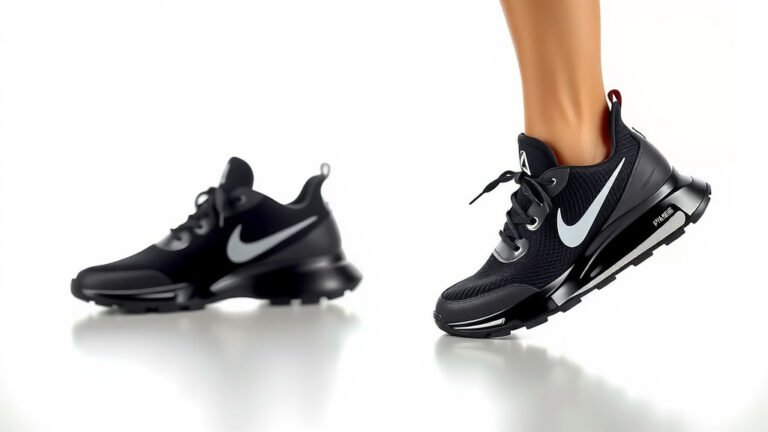
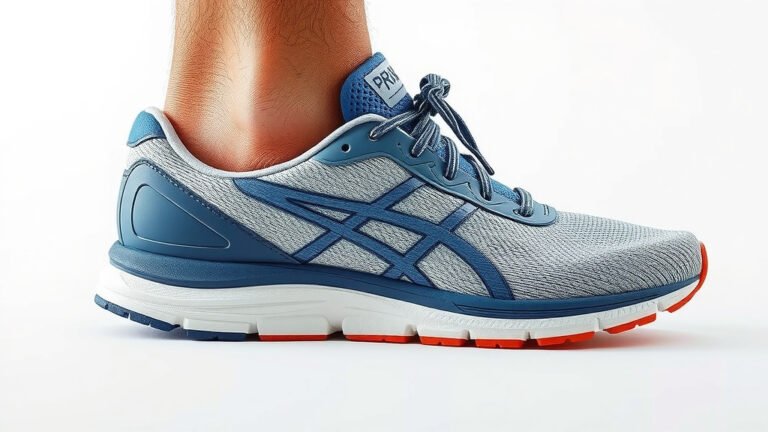
It can be helpful to visualize the difference. Imagine a standard shoe. Now imagine a 2E shoe. It’s not just longer; it’s noticeably broader across the ball of the foot. This extra width is distributed to accommodate a wider foot shape. It’s important to remember that width measurements can vary slightly between brands. However, the general principle of 2E meaning “wide” remains consistent.
| Width Designation | Description | Approximate Increase Over Standard |
|---|---|---|
| D (Standard) | Medium Width | 0 inches |
| 2E | Wide Width | ~0.3 – 0.4 inches wider than D |
| 4E | Extra Wide Width | ~0.6 – 0.8 inches wider than D |
This table shows you how much extra room you can expect with wider widths compared to a standard “D” fit. This is crucial information when you’re trying to make the best choice for your feet.
Identifying If You Need a 2E Width
How do you know if a 2E width is right for you? Pay attention to how your current running shoes feel. Do your feet feel cramped? Do you experience numbness or tingling during or after your runs? These can be signs that your shoes are too narrow.
Signs Your Current Shoes Are Too Tight
One tell-tale sign is if you consistently use the widest lacing pattern available but still feel tightness. Another is if you notice excessive rubbing or hot spots on the sides of your feet. Some runners even find that their toenails develop problems, like ingrown nails or bruising, due to constant pressure. Many podiatrists recommend looking for shoes that allow your toes to wiggle freely inside.
When to Consider a Width Fitting
If you’re unsure, the best approach is to get professionally fitted. A running store specialist can measure your foot’s width. They can also observe your gait. They can tell you if a 2E or even a 4E might be a better fit than a standard width. Don’t hesitate to seek expert advice. Your foot health is worth the effort. It’s a simple step that can make a world of difference in your running comfort.
Tips for Finding Your Perfect 2E Fit
Once you’ve determined you likely need a 2E width, the next step is finding the right shoe. Not all brands offer 2E options in every model. It’s also important to remember that width is just one part of the equation. Cushioning, support, and overall feel matter too.
- Try them on later in the day: Your feet tend to swell throughout the day.
- Wear your running socks: Always try on shoes with the socks you’ll be running in.
- Walk and jog around: Don’t just stand. Move in the shoes to see how they feel.
- Check toe room: You should have about a thumb’s width of space between your longest toe and the end of the shoe.
- Feel for pressure points: Ensure there are no tight spots or rubbing anywhere on your foot.
- Don’t be afraid to ask: Talk to store staff about your needs and concerns.
Finding the right fit ensures you can focus on your running goals, not foot pain. A 2E width can be the key to a more enjoyable and comfortable running experience for many.
“`Conclusion
Finding the right running shoe width is essential for happy miles. A 2E width offers that extra space many runners need. It helps prevent common foot issues like blisters and bunions. By understanding width designations and paying attention to your foot’s comfort, you can find shoes that feel just right. Don’t guess your size! Your next step should be to visit a specialty running store. Get your feet professionally measured and fitted. A 2E width offers that extra space many runners need.
Frequently Asked Questions
How do I know if I need a 2E width instead of a 4E?
If standard “D” (for men) or “B” (for women) widths feel a bit snug but not painfully tight, a 2E is likely your best bet. A 4E is for individuals with significantly wider feet, where even a 2E might feel restrictive. A professional fitting at a running store can definitively tell you the difference.
Can a 2E width shoe help with foot pain during runs?
Yes, absolutely. If your current running shoes are too narrow, they can cause pressure points leading to pain, numbness, or tingling. A 2E width allows your foot to spread naturally, reducing this pressure and potentially alleviating foot pain associated with a constricted fit.
Do women’s running shoes also come in 2E width?
Yes, they do! While the standard width for women is typically a “B”, and a “D” is considered wide, a 2E designation is also available for women needing extra-wide footwear. The sizing system applies similarly across genders for width.
Is there a difference in how 2E feels across different brands?
While the 2E designation means “wide,” there can be slight variations between brands. Some brands might run a bit wider or narrower within their “wide” category. Trying on shoes from different manufacturers is always recommended to find the perfect feel for your foot shape.
Will a 2E shoe make my feet look bigger?
The primary goal of a 2E width shoe is comfort and proper foot function, not aesthetics. While a wider shoe might appear broader, the focus should be on how it feels and performs during your run. Proper fit can actually improve your stride and reduce the appearance of strain.