Understanding 4E Running Shoe Width: A Buyer’s Guide
A 4E running shoe width refers to an extra-extra-wide fit designed for runners needing more room in their footwear. This width accommodates feet that are significantly wider than average, helping to prevent discomfort and improve running performance. Finding the right width is key for happy feet on your runs.
Understanding shoe width is essential for choosing running shoes that fit properly. A 4E designation means the shoe is designed with a generous amount of space from side to side. Many runners find that a standard width just doesn’t cut it, leading to blisters and pain. This extra width can make a world of difference.
- A 4E shoe is an extra-extra-wide width.
- It’s for runners who need more space.
- Proper shoe width prevents pain and blisters.
- It can help improve your running experience.
Let’s break down what a 4E width means for your running shoes and how to find the perfect fit for you.
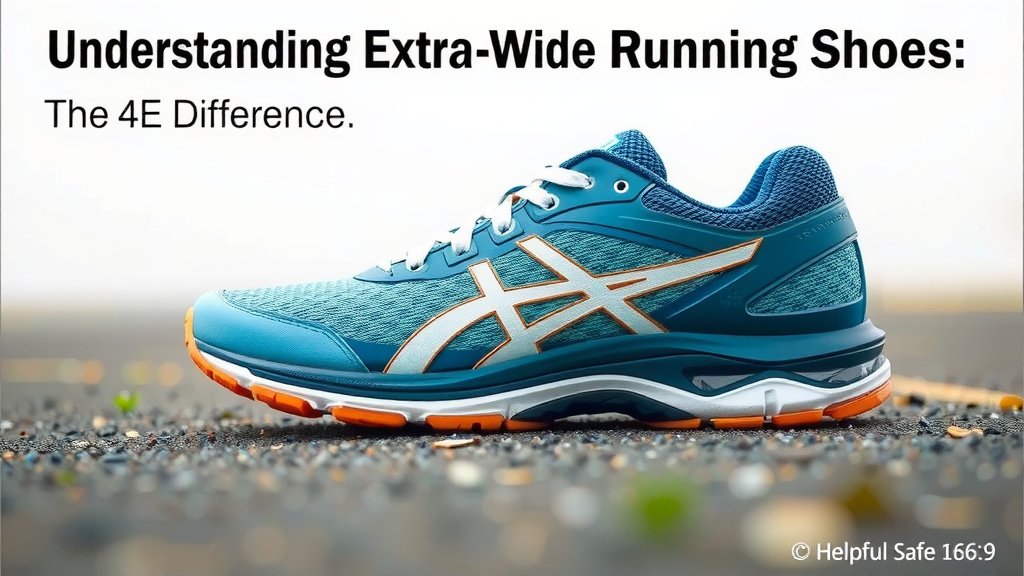
Understanding Extra-Wide Running Shoes: The 4E Difference
So, you’ve heard of 4E running shoes and you’re wondering what all the fuss is about. Think of it as a gentle hug for your feet, but with plenty of wiggle room. A 4E width means the shoe is designed for runners who need more space from the ball of the foot to the heel. It’s a specific measurement that addresses a common fit issue. Width matters too! If a shoe feels too tight across the ball of your foot, it’s too narrow.
Many runners struggle with shoes that feel too tight across the width. This can lead to all sorts of discomfort, from pinching to blisters. A 4E shoe is designed to solve this. We found that a properly fitting shoe is key to enjoying your runs. It means less distraction from pain and more focus on your stride.
What Does the ‘E’ Really Mean?
The ‘E’ in 4E is a standardized width indicator. Shoe manufacturers use these letters to denote how wide their shoes are. You’ll often see widths like B (medium), D (wide), and 2E (extra-wide). The more ‘E’s you see, the wider the shoe. A 4E is at the far end of the width spectrum for most brands.
It’s like a measuring tape for your shoe’s girth. A standard men’s shoe width is often a D. For women, it’s typically a B. So, a 4E for men is considerably wider than a D, and a 4E for women (which is less common but exists) would be even wider than a typical D width for women.
Who Benefits from a 4E Shoe Width?
You might be a candidate for 4E running shoes if you experience certain symptoms with your current footwear. Do your feet feel squeezed after a few miles? Do you get pain on the sides of your feet, especially near the ball? These are common signs your shoes might be too narrow.
Many runners have naturally wider feet. Some medical conditions can also cause feet to widen or swell. We found that conditions like bunions, edema, or even just having a broader foot structure can make standard widths uncomfortable. If you consistently have to size up just to get enough width, it’s time to look at wider options.
Signs Your Feet Need More Width
- You feel pinching or pressure on the sides of your feet.
- You experience numbness or tingling in your toes during runs.
- Blisters frequently form on the outer edges of your feet.
- Your current shoes feel tight even if the length is correct.
- You have been diagnosed with conditions like bunions or plantar fasciitis that affect foot shape.
How to Determine if You Need a 4E Width
Figuring out if you need a 4E width involves a bit of self-assessment and possibly some professional help. Your first step is to understand your own feet. How do your current running shoes feel during and after your runs? Pay close attention to any discomfort or pressure points.
We often see runners ignore discomfort, thinking it’s just part of training. However, persistent pain is a signal. It might be that your shoes are simply not built for your foot’s natural shape. Don’t push through the pain; it could lead to more serious issues down the road.
Measuring Your Foot Width at Home
You can get a good idea of your foot width at home. You’ll need a ruler or measuring tape and a piece of paper. Stand on the paper with your heel against a wall. Mark the widest part of your foot, usually across the ball of your foot. Measure the distance in inches or centimeters.
Now, compare this measurement to shoe width charts. Most running shoe brands provide these charts online. You’ll typically see measurements associated with different width designations like D, 2E, and 4E. This gives you a concrete number to work with when looking for shoes. Remember to measure both feet, as they can sometimes differ in size.
When to Seek Professional Advice
Sometimes, home measurements aren’t enough. If you’re still unsure, or if you have specific foot concerns, visiting a specialty running store is a great idea. They have trained staff who can measure your feet accurately. They also understand the nuances of different shoe widths and brands.
These experts can watch you walk or run on a treadmill. They can identify gait issues and recommend shoes that suit your foot type, width, and running style. Many podiatrists also offer advice on footwear for specific foot conditions. They can provide a diagnosis and recommend appropriate widths, like a 4E if necessary (Cleveland Clinic).
Comparing Widths: 2E vs. 4E and Beyond
It’s helpful to understand how 4E stacks up against other wide widths. Think of it as a scale. A 2E width is considered extra-wide, offering more room than a standard D width. A 4E is then twice as wide as a 2E at that measurement point.
This extra width isn’t just a gimmick; it’s a design choice to accommodate different foot shapes. If a 2E feels a little snug, but you know you need more room, a 4E is the logical next step. It’s all about finding that sweet spot where your foot feels supported but not constricted.
| Width Designation | Relative Width | Typical Additional Width |
|---|---|---|
| D (Standard) | Standard | 0 inches |
| 2E (Extra Wide) | Wider than D | Approximately 0.5 inches |
| 4E (Extra-Extra Wide) | Wider than 2E | Approximately 1 inch |
You might even find widths beyond 4E, such as 6E, in some specialized brands. These are for individuals with exceptionally wide feet. The table above gives you a general idea. Keep in mind that actual measurements can vary slightly between brands.
Finding the Right 4E Running Shoe for You
Once you’ve determined that a 4E width is likely what you need, the search begins. Many major running shoe brands offer popular models in 4E. You’ll find that the selection might be a bit smaller than for standard widths, but there are still excellent options available.
When trying on shoes, remember to wear the same type of socks you typically run in. This ensures an accurate fit. Walk around the store, and if possible, do a short jog. How do your feet feel? Is there enough room in the toe box? Does the shoe feel stable?
What to Look for in a 4E Shoe
Beyond the width, don’t forget the other important aspects of a running shoe. You still need the right cushioning and support for your running style. Do you need a shoe for neutral pronation or one with stability features? Consider the type of running you do.
We found that some brands are better known for their wider offerings. Brooks, New Balance, and Hoka are frequently mentioned for providing a good range of widths, including 4E. Always check the specific model and its availability in the width you require. A shoe that’s too wide can be just as problematic as one that’s too narrow.
Here’s a quick checklist to ensure you find the best fit:
- Confirm your required width (e.g., 4E).
- Try shoes on late in the day when feet are slightly larger.
- Wear your usual running socks.
- Check for ample toe-box room (wiggle room for toes).
- Ensure no pinching or rubbing on the sides.
- Consider cushioning and support features for your running needs.
Conclusion
You’ve learned that a 4E running shoe width is your go-to for extra-extra-wide feet. It means saying goodbye to pinching and hello to comfortable miles. Finding the right width prevents pain and allows you to focus on your run. Don’t let ill-fitting shoes hold you back from enjoying your active lifestyle.
Your next step is to assess your current shoes for discomfort. If you suspect you need more room, try measuring your feet at home. Then, visit a local running store for a professional fitting. Investing in the right width will transform your running experience.
Frequently Asked Questions
Is a 4E width the same for men and women?
Generally, a 4E designation indicates a wider fit than a standard width within each gender’s sizing. However, the actual measurement can differ. Men’s 4E is wider than a men’s D, and a women’s 4E (which is less common) would be wider than a women’s B or D.
How often should I measure my feet for running shoes?
It’s a good practice to measure your feet at least once a year, or anytime you notice a change in fit. Your foot size and shape can change over time due to factors like age, weight fluctuations, or even pregnancy.
Can wearing the wrong width shoe cause long-term foot problems?
Yes, consistently wearing shoes that are too narrow can lead to issues like bunions, hammer toes, nerve pain, and plantar fasciitis. Providing your feet with adequate space helps maintain their natural shape and function.
Are there many running shoe brands that offer 4E width?
While not every brand offers 4E in all their models, several major running shoe companies do. Brands like New Balance, Brooks, and Hoka are well-known for providing a good selection of wide-width options, including 4E.
What’s the difference between a 2E and a 4E running shoe width?
A 2E is considered an extra-wide width, offering more room than a standard D width. A 4E is even wider than a 2E, typically adding about an inch of width compared to a standard D width across the forefoot.