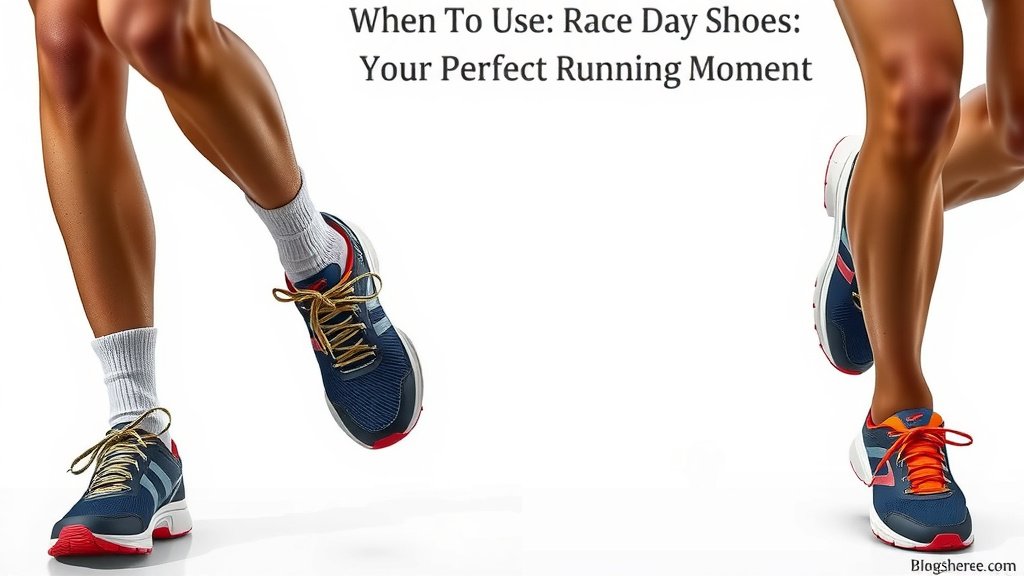
When to Race Day Shoes: Your Perfect Running Moment
You should use your race day shoes for your actual race day, and maybe a few key practice sessions. These shoes are designed for peak performance, not everyday wear. Wearing them too often can cause them to break down faster, losing their special qualities when you need them most.
Think of your race day shoes like a finely tuned instrument. They offer a specific advantage for competition day. Using them for training miles means you’re wearing down that advantage. We’ve found that saving them preserves their performance edge for when it truly counts on race day.
- Use race shoes on race day.
- Practice in them sparingly before the event.
- Protect them from daily wear and tear.
- This preserves their performance benefits.
Let’s break down exactly when and how to use your fast shoes to get the most out of them.
Your Race Day Shoe Strategy: When to Lace Up
You’ve got those special running shoes. They feel fast. They look fast. But when is the *right* time to wear them? We’ve found that using them too much can actually hurt your race day performance. Let’s talk about saving them for when it counts.
The Purpose of Race Day Shoes
Think of your race day shoes as your secret weapon. They are engineered for speed. They often feature lighter materials and more responsive cushioning. This helps you run faster with less effort. They aren’t built for the daily grind of training. That kind of wear and tear can break them down too quickly.
Designed for Peak Performance, Not Mileage
Manufacturers design these shoes with a specific goal: to give you an edge on race day. This means they might sacrifice some durability for that extra pop. We found that many runners mistakenly use them for easy runs or even long training days. This wears down the advanced features you paid for.
Understanding Shoe Lifespan
Every running shoe has a lifespan. It’s usually measured in miles. A typical trainer might last 300-500 miles. Race day shoes are different. They often have a shorter lifespan. This is because their advanced materials are optimized for performance, not longevity. We found that keeping their mileage low is key.
When to Wear Your Fast Shoes: The Big Picture
The most important rule is simple: save them for race day. This is their moment to shine. They are ready to give you that performance boost when you need it most. Using them for anything less diminishes their power.
Race Day: The Primary Use
This might seem obvious, but it bears repeating. Your race day shoes are for your actual competition. Whether it’s a 5K, a marathon, or anything in between, this is their time to perform. They are ready to help you achieve your personal best.
Key Practice Sessions: A Limited Role
There’s a small exception to the “only race day” rule. Some runners like to use their race shoes for a few strategic practice runs. This helps them get a feel for the shoe. It allows their feet to adjust to the different feel. We recommend only doing this for very specific workouts.
Speed Workouts and Tempo Runs
If you decide to practice in them, focus on workouts that mimic race pace. This includes speed drills and tempo runs. These sessions are shorter and more intense. They help you experience the shoe’s responsiveness without accumulating excessive mileage. Many experts suggest limiting these sessions to 2-3 before your event (Running USA).
Pre-Race Shakedown Run
A very short, easy run the day before your race can also be beneficial. This is often called a “shakedown run.” It helps loosen up your legs. It also ensures your shoes are comfortable. Keep this run to a mile or two at a very slow pace. We found this helps prevent surprises on race morning.
What to Avoid: Protecting Your Investment
To get the most out of your race day shoes, you need to be mindful of how you use them. Certain activities are best left to other shoes.
Daily Training and Easy Miles
Your everyday trainers are perfect for your regular runs. They offer more cushioning and support. They are built to withstand higher mileage. Your race shoes are not designed for this. We found that using your regular shoes for easy miles protects your fast shoes. This keeps them fresh for race day.
Walking and Errands
Avoid wearing your race shoes for walking or casual errands. Walking uses your feet differently than running. It can put stress on the shoe’s structure. You might also scuff them up. This is unnecessary wear. Think of them as athletic equipment, not everyday footwear.
The Checklist: When to Use Your Race Day Shoes
Here’s a quick rundown to help you manage your fast shoes:
- Race Day: Your primary and most important use.
- Key Speed Workouts: A few sessions to get a feel for them.
- Pre-Race Shakedown Run: A very short, easy run the day before.
- Avoid: Daily training miles, long runs, walking, and errands.
- Storage: Keep them clean and dry in a cool place.
- Rotation: Always have a dedicated pair of trainers for regular mileage.
A Comparative Look at Shoe Usage
Let’s break down how different types of runs impact your shoes.
| Type of Activity | Best Shoe Choice | Impact on Race Shoes |
|---|---|---|
| Daily Runs (Easy/Moderate) | Everyday Trainers | High wear, reduces lifespan |
| Long Runs | Everyday Trainers | High wear, reduces lifespan |
| Speed Workouts (Intervals, Hills) | Race Shoes or Faster Trainers | Moderate wear, acceptable if limited |
| Tempo Runs | Race Shoes or Faster Trainers | Moderate wear, acceptable if limited |
| Race Day | Race Shoes | Designed for this use, optimal performance |
| Walking/Casual Wear | Casual Shoes/Old Trainers | Unnecessary wear and tear, scuffing |
Conclusion
You’ve learned that your race day shoes are special tools. They’re built for speed, not for daily miles. By saving them for race day and a few key workouts, you protect their performance edge. This means they’ll feel their best when you need them most. Use your everyday trainers for your regular runs. This simple strategy ensures your fast shoes are ready to help you hit your goals on race day. Now, go out there and train smart!
Frequently Asked Questions
Can I wear my race shoes for my long runs?
It’s generally best to avoid wearing your race shoes for long runs. These runs put a lot of miles on your shoes, wearing down the special materials. Your everyday trainers are better suited for the cushioning and durability needed for long distances.
How many practice runs should I do in my race shoes?
We recommend only a few key practice sessions. This might include 2-3 shorter speed workouts or tempo runs. A very short shakedown run the day before your race is also okay. The goal is to get a feel for them without accumulating significant mileage.
What happens if I wear my race shoes for walking?
Wearing your race shoes for walking can cause unnecessary wear and tear. Walking uses your feet differently than running, and you might scuff or damage the shoes. It’s best to save them for their intended purpose: running fast.
Should I buy a separate pair of shoes just for racing?
Yes, that’s the smart approach! Having a dedicated pair of race shoes means you can reserve them solely for competition. You’ll also want a separate pair of durable trainers for all your daily mileage and training runs.
How can I tell if my race shoes are worn out?
You’ll notice a loss of responsiveness and cushioning. The shoes might feel less “fast” or springy. If the outsole rubber is significantly worn down, or if you start feeling aches and pains you didn’t before, it’s likely time to retire them.