Trainers and Racers: Your Smart Rotation Strategy
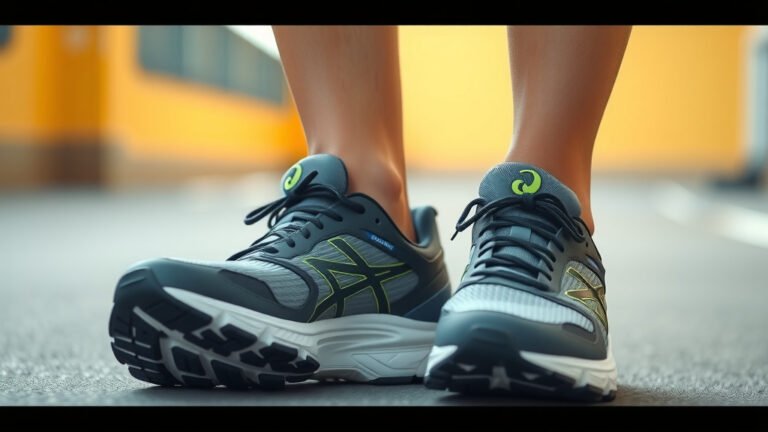
Rotating your trainers and racers is a smart way to keep your feet happy and your performance sharp. The basic idea is simple: don’t wear the same pair every single day. This simple change helps your shoes last longer and reduces your risk of injuries.
We’ve found that switching between different types of shoes, like a stiff racing shoe and a more cushioned trainer, can be incredibly beneficial. It allows different muscles and structures in your feet and legs to take a break. This rotation prevents overuse injuries and keeps your feet feeling fresh.
- Don’t wear the same shoes daily.
- Switch between trainers and racers.
- This prevents overuse injuries.
- It also helps shoes last longer.
- Listen to your body!
Ready to give your feet a break? Let’s walk through exactly how to incorporate shoe rotation into your routine step by step.
Smart Ways to Rotate Your Running Shoes
So, you’ve got your trusty trainers and your speedy racers. Great start! But wearing the same pair day after day is like asking your car to do all its driving on only one tire. It just doesn’t work out well in the long run. Rotating your shoes helps prevent injuries and makes your gear last longer.
Why Shoe Rotation is Your Feet’s Best Friend
Think of your shoes like different tools in your toolbox. You wouldn’t use a hammer for every job, right? Your running shoes are no different. Different shoes offer different levels of support, cushioning, and flexibility. When you switch them up, you give your feet and lower legs a chance to rest and recover in different ways.
We found that alternating shoes can significantly reduce the risk of common running injuries. This is often due to a reduction in repetitive stress on specific muscles, tendons, and joints. It’s about distributing the load, much like how a physical therapist might recommend varied exercises for rehabilitation (Harvard Health Publishing).
Understanding Your Running Shoe Types
Before you start rotating, it helps to know what you’re working with. Most runners have two main categories:
Daily Trainers: The Workhorses
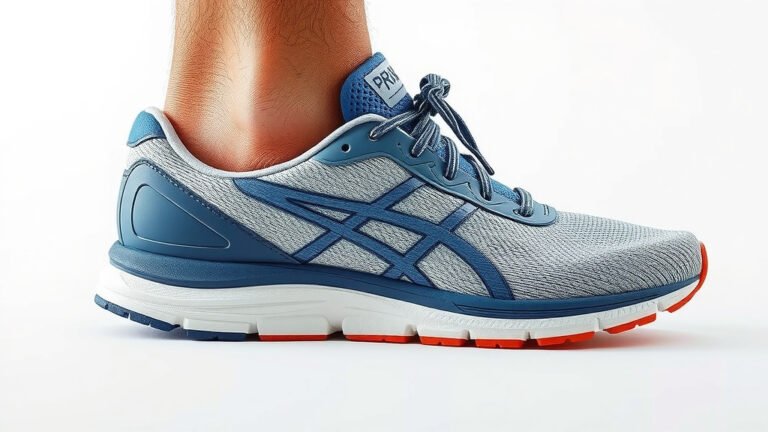
These are your go-to shoes for most of your runs. They are built for durability and comfort. You’ll find they have ample cushioning to absorb impact. They are generally more flexible than racing shoes. Think of them as your reliable sedan – comfortable for everyday driving.
Racing Shoes: The Speed Demons
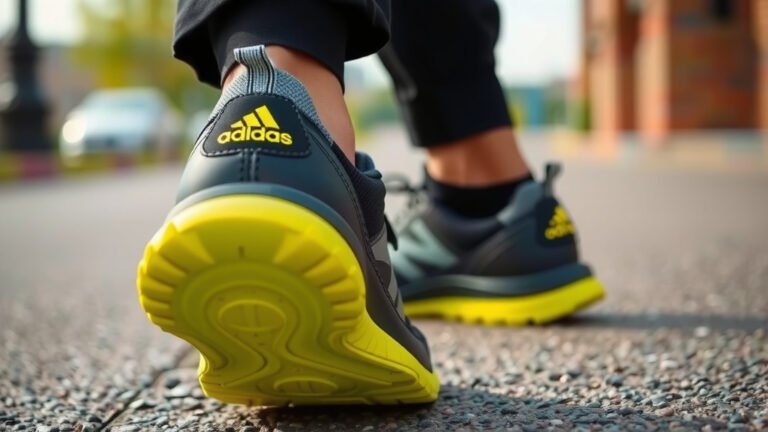
These shoes are designed for speed. They are typically lighter and have less cushioning. Many racers have a stiffer sole, sometimes with a carbon plate, to help you feel faster. They are perfect for races or fast-paced workouts, but not ideal for everyday wear. They’re like your sports car – fun for a spin, but not for hauling groceries.
How to Start a Shoe Rotation Routine
The simplest way to begin is by having at least two pairs of shoes. Don’t wear the same pair for two consecutive days. This allows each shoe to fully dry out and regain its structure. It’s a simple step that makes a big difference.
Putting Your Rotation into Practice: A Sample Schedule
Here’s a basic framework you can adapt. The key is to avoid wearing the same shoe for every run.
| Day | Type of Run | Recommended Shoe |
|---|---|---|
| Monday | Easy Run/Recovery | Daily Trainer |
| Tuesday | Speed Work/Intervals | Racing Shoe |
| Wednesday | Rest or Cross-Training | N/A |
| Thursday | Medium-Long Run | Daily Trainer |
| Friday | Easy Run | Racing Shoe (if they feel good and not too worn) or alternate Daily Trainer |
| Saturday | Long Run | Daily Trainer |
| Sunday | Rest or very light activity | N/A |
This is just a guide, of course. Your body’s needs and your training plan should always come first. If your legs feel tired, opt for the more cushioned trainer. If you have a race coming up, you might use your racers a bit more to get used to them.
Listen to Your Body: The Ultimate Guide
No amount of shoe rotation can replace listening to what your body is telling you. If a particular shoe feels off, or if you start experiencing aches and pains, it’s time to reassess. Many runners find that pain or fatigue is their body’s way of saying something needs to change (American Academy of Orthopaedic Surgeons).
Sometimes, rotating doesn’t just mean switching between trainers and racers. It can also mean switching between different *models* of trainers. If you have two pairs of daily trainers that are similar but not identical, alternating them can still provide a slight variation in stress. This might be enough to prevent nagging issues.
When to Consider More Than Two Pairs
As your mileage increases, or if you’re training for a specific event like a marathon, you might benefit from a larger rotation. Having three or even four pairs can be helpful. This allows for even more variation and ensures your shoes have adequate rest time between wears.
For instance, a three-pair rotation might look like this: one pair of plush daily trainers for easy miles, one lighter-weight trainer for tempo runs, and a dedicated racing shoe. This setup provides excellent variety for different types of runs and helps manage wear and tear across multiple shoes.
Caring for Your Rotating Shoe Collection
Proper care extends the life of all your shoes. After a run, take them out of your bag and let them air dry. Don’t stuff them into a wet gym bag. If they get really dirty, rinse them off and let them air dry away from direct heat sources like radiators or dryers. Research suggests that allowing shoes to dry completely can help maintain their structural integrity (Ozark Trail).
Your Shoe Rotation Checklist
Ready to make the switch? Here’s a quick rundown:
- Have at least two pairs of running shoes.
- Don’t wear the same pair two days in a row.
- Use trainers for everyday miles and racers for speed.
- Pay attention to how your feet and legs feel.
- Allow shoes to dry completely between runs.
- Consult a professional if you have persistent pain.
Conclusion
You’ve learned that rotating your running shoes is a smart move for both your feet and your gear. By switching between your trusty daily trainers and your speedy racing shoes, you can reduce the risk of injuries and extend the life of your footwear. Remember, it’s not just about having multiple pairs; it’s about giving your body and shoes a chance to rest and recover properly. Start with two pairs, listen to your body, and don’t be afraid to adjust your routine as needed. Your feet will thank you for it!
Frequently Asked Questions
How often should I rotate my running shoes?
You should aim to avoid wearing the same pair of running shoes for two consecutive days. This allows each shoe adequate time to dry out completely and for its cushioning and structure to recover. This simple habit makes a big difference in shoe longevity and comfort.
Can I wear my racing shoes for daily runs?
It’s generally not recommended to wear your racing shoes for all your daily runs. They are designed for speed and often have less cushioning and support. Using them too frequently can lead to quicker wear and tear, and potentially increase your risk of certain injuries on everyday miles.
What if I only have one pair of running shoes?
If you currently only have one pair, the best approach is to make sure you give them ample time to dry and recover between runs. Try to limit wearing them on consecutive days if possible, and consider investing in a second pair when you can. Even alternating with a casual sneaker for very short, easy jogs can offer a slight break.
How do I know when it’s time to buy new shoes?
Pay attention to signs of wear and tear on your shoes, such as worn-out treads, compressed cushioning, or discomfort during your runs. A general guideline is to replace trainers every 300-500 miles and racers sooner, but always listen to your body – if they feel flat or you experience new aches, it’s likely time for a new pair.
Does rotating shoes help with different running surfaces?
While shoe rotation primarily addresses repetitive stress and allows for shoe recovery, it can indirectly help with different surfaces. If you have specific shoes designed for different terrains (like trail shoes), rotating them according to your run location can also contribute to better performance and injury prevention on those varied surfaces.