Flat Feet vs High Arches: Finding the Right Running Shoes
Finding the right running shoes for flat feet vs. high arches is key to happy miles. For flat feet, you generally need shoes that offer great stability and support. If you have high arches, look for shoes with plenty of cushioning and flexibility.
Understanding your arch type helps prevent common running pains like shin splints and plantar fasciitis. We found that the right shoe isn’t just about comfort; it’s about proper biomechanics. Your foot’s natural arch impacts how your body absorbs shock when you run.
- Flat feet need support and stability.
- High arches need cushioning and flexibility.
- The wrong shoes can lead to injuries.
- Knowing your arch type is the first step.
Let’s walk through exactly what makes running shoes different for flat feet and high arches.
Understanding Your Arch Type for Better Running
Picking the right running shoes makes a huge difference. Your foot’s arch is like a shock absorber. It changes how your body handles impact when you run. We found that knowing your arch type helps you choose shoes that fit your feet best. This can prevent a lot of common running aches and pains.
What Are Flat Feet?
Flat feet, also called fallen arches, mean your foot’s arch is very low or not there at all. When you stand, the entire sole of your foot touches the ground. It’s like your foot is pancake flat. Many people have flat feet and never have issues. Others might find they need extra support.
With flat feet, your foot might roll inward too much when you run. This is called overpronation. It means your foot doesn’t lift up and outward enough. This can put extra stress on your ankles, shins, and knees. Many experts say overpronation can lead to injuries if not managed.
What Are High Arches?
High arches mean your foot has a very pronounced curve. When you stand, there’s a noticeable gap between the ground and the middle of your foot. This is also known as a supinated foot. People with high arches often have a foot that doesn’t flatten much when they walk or run.
The main concern with high arches is that your foot might not absorb shock well. Your foot might also roll outward, which is called supination or underpronation. Because the arch is stiff, it doesn’t spread the impact energy effectively. This can put stress on your heel and the outside of your foot.
How Your Arch Type Affects Your Running Shoe Needs
Your arch type directly tells you what kind of support and cushioning you should look for. It’s not about one type being better than the other. It’s about finding what works for your specific foot.
Shoes for Flat Feet: Stability and Support
If you have flat feet, you generally need shoes that offer stability. These shoes are designed to control excessive inward rolling (overpronation). They often have firmer foam on the inside edge of the midsole. This is called a medial post. This helps guide your foot into a more neutral position.
Look for terms like “stability shoes” or “motion control shoes.” Stability shoes offer a good balance for mild to moderate overpronation. Motion control shoes are even more rigid and provide maximum support for severe overpronation. We found that good stability shoes keep your foot aligned.
Key Features for Flat Feet Shoes
- Firm Midsole: Look for shoes with a midsole that feels firm, especially on the inside.
- Medial Support: This is the firming material on the inner side of the shoe to prevent inward rolling.
- Good Arch Support: The shoe should have a well-defined arch structure to support your foot.
- Structured Heel Counter: This is the stiff cup around your heel that helps keep it in place.
Shoes for High Arches: Cushioning and Flexibility
For those with high arches, the goal is to cushion your stride and allow your foot to move naturally. Since high arches don’t absorb shock well, you need shoes that can pick up the slack. Plenty of soft foam in the midsole is key.
You’ll want to look for “neutral shoes” or “cushioned shoes.” These shoes typically have a softer, more flexible feel. They allow your foot to flex and land naturally. Many experts suggest that well-cushioned shoes can help reduce stress on the lower leg and foot.
Key Features for High Arch Shoes
- Plush Cushioning: Ample foam in the midsole provides shock absorption.
- Flexibility: The shoe should bend easily with your foot’s natural movement.
- Neutral Support: Avoid shoes with extra stability features, as they can push your foot further outward.
- Padded Collar and Tongue: These add comfort and can help secure your foot.
Testing Your Arch Type: A Simple Guide
Not sure if you have flat feet or high arches? There’s a simple test you can do at home. You’ll need a piece of paper and something to wet your feet with, like a shallow tray of water. We found this method is pretty reliable for a general idea.
The Wet Foot Test
Follow these steps:
- Wet the bottom of your foot.
- Step onto the piece of paper or a dry surface that will show your footprint.
- Step off and look at the impression left by your foot.
Interpreting Your Footprint
- Flat Feet: You’ll see almost your entire foot shape, with little to no curve inward.
- Normal Arch: You’ll see about half of your foot’s width missing in the arch area.
- High Arch: You’ll see a very thin line or possibly no connection at all in the middle of your foot.
More Than Just Your Arch: Other Factors to Consider
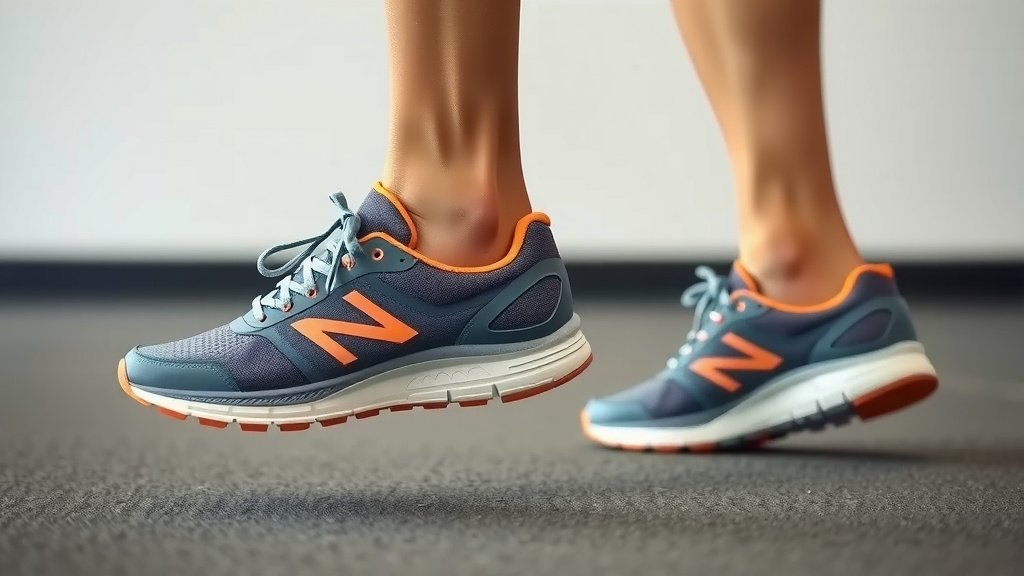
While your arch type is a great starting point, it’s not the only thing that matters. Your body weight, running style, and any past injuries also play a role. Many running shoe specialists say a personalized fitting is best.
Consider Your Running Habits
Do you mostly run on roads, trails, or a treadmill? Trail shoes have more grip for uneven terrain. Road shoes are typically lighter and more cushioned. Think about how much mileage you log each week too. High mileage runners might need more durable cushioning. Consider your running surface when selecting shoes.
Weight and Impact
If you’re heavier, you might need shoes with more durable cushioning and support. This helps your shoes last longer and provides better shock absorption. We found that heavier runners often benefit from shoes designed for maximum cushioning.
| Feature | Flat Feet (Overpronation) | High Arches (Supination) |
|---|---|---|
| Primary Need | Stability and Support | Cushioning and Flexibility |
| Midsole Feel | Firm, especially on the inside | Soft and responsive |
| Shoe Type to Look For | Stability or Motion Control | Neutral or Cushioned |
| Flexibility | Less flexible, more structured | Highly flexible |
| Shock Absorption | Relies on shoe’s structure | Relies on shoe’s cushioning |
When to Seek Professional Help
If you’re unsure about your foot type or have persistent pain, visit a running store or a podiatrist. They can analyze your gait and recommend the best shoes for you. We found that getting expert advice can save you a lot of discomfort down the road.
Your Running Shoe Checklist
Here’s a quick rundown to help you find your perfect pair:
- Know your arch type (flat, normal, high).
- Understand your pronation (overpronation, neutral, supination).
- Consider your running surface (road, trail, track).
- Think about your body weight and mileage.
- Look for specific features (stability, cushioning, flexibility).
- Try them on! Walk and jog around the store if possible.
Conclusion
Finding the right running shoes for your unique arch type is essential for comfortable and injury-free miles. Remember, flat feet generally benefit from stability and support, while high arches thrive with ample cushioning and flexibility. You’ve learned how to identify your arch type and what key features to look for in a shoe. Don’t forget to consider your running habits and body weight. Your next step is to use this knowledge to try on shoes that match your needs, ideally getting a gait analysis at a specialty running store for personalized advice.
Frequently Asked Questions
Can I wear neutral shoes if I have flat feet?
Generally, it’s not recommended. Flat feet often overpronate, meaning they roll inward excessively. Neutral shoes lack the stability features needed to control this motion. You’ll likely find more comfort and support in stability or motion control shoes designed for flat feet.
Do high arches mean I’ll automatically supinate?
While high arches are often associated with supination (underpronation), it’s not a guarantee. Some people with high arches might have a more neutral gait. However, if you do supinate, your feet won’t absorb shock well, and you’ll definitely want shoes with plenty of cushioning.
How often should I replace my running shoes based on arch type?
Regardless of arch type, running shoes typically need replacement every 300-500 miles. However, if you have flat feet and use stability shoes, the medial post might compress faster. For high arches needing maximum cushioning, the foam may break down sooner, reducing shock absorption.
Is it possible to have one flat foot and one high arch?
Yes, it’s quite possible to have different arch heights on each foot. This is known as asymmetrical feet. In this case, you’ll need to pay close attention to the needs of the foot that requires more support or cushioning, or consider custom orthotics.
Are minimalist shoes ever suitable for flat feet or high arches?
Minimalist shoes offer very little support or cushioning. They are generally not recommended for runners with flat feet who need stability, or for those with high arches who need shock absorption. If you’re interested in minimalist running, it’s best to transition very gradually and perhaps consult a professional.