Choosing Running Shoes: Terrain Guide
Choosing the right running shoes for your terrain is key to a comfortable and injury-free run. You need to match your shoes to where you’ll be pounding the pavement, or dirt trail. For roads, you want cushioned shoes. For trails, you need shoes with better grip and protection. It’s not a one-size-fits-all situation.
Different surfaces demand different shoe features. Road running shoes are designed for smooth surfaces. They offer plenty of shock absorption. Trail running shoes, on the other hand, have rugged outsoles for traction. They also provide more support and protection against rocks and roots. Understanding these differences helps you make a smarter choice.
- Road running shoes: Cushioned for smooth surfaces.
- Trail running shoes: Grippy and protective for off-road.
- Consider your typical running spots.
- Match shoe features to terrain needs.
- This prevents discomfort and injuries.
Let’s walk through exactly how to pick the perfect pair for wherever your feet take you.
Matching Your Running Shoes to Your Terrain
Picking the right running shoes is more than just a style choice. It’s about matching your footwear to where you run most often. This simple step can make a huge difference in your comfort and help prevent common running injuries.
Understanding Road Running Shoes
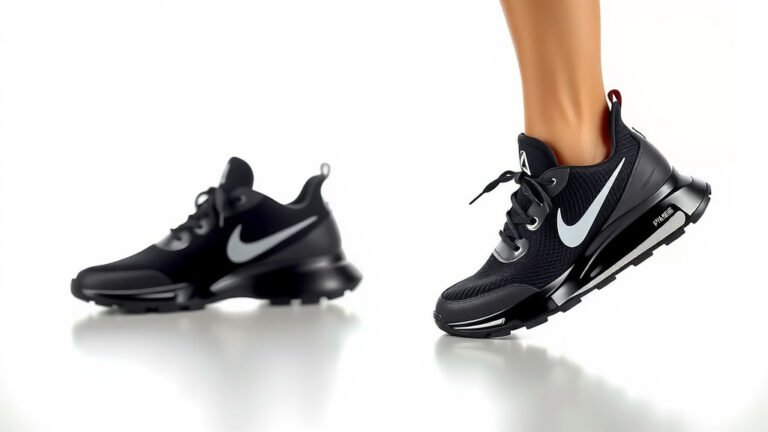
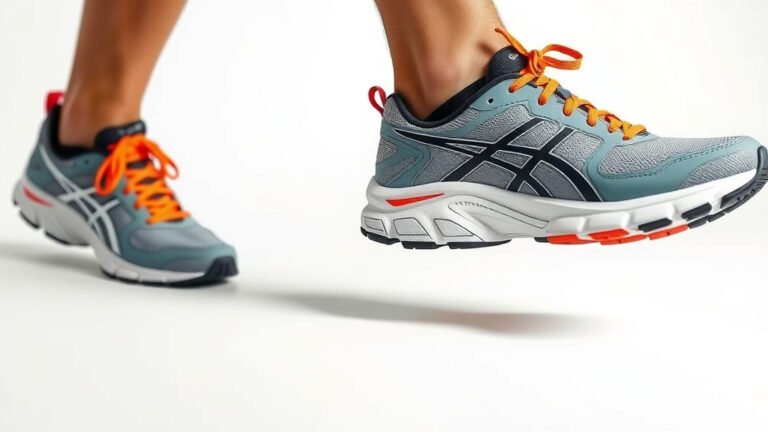
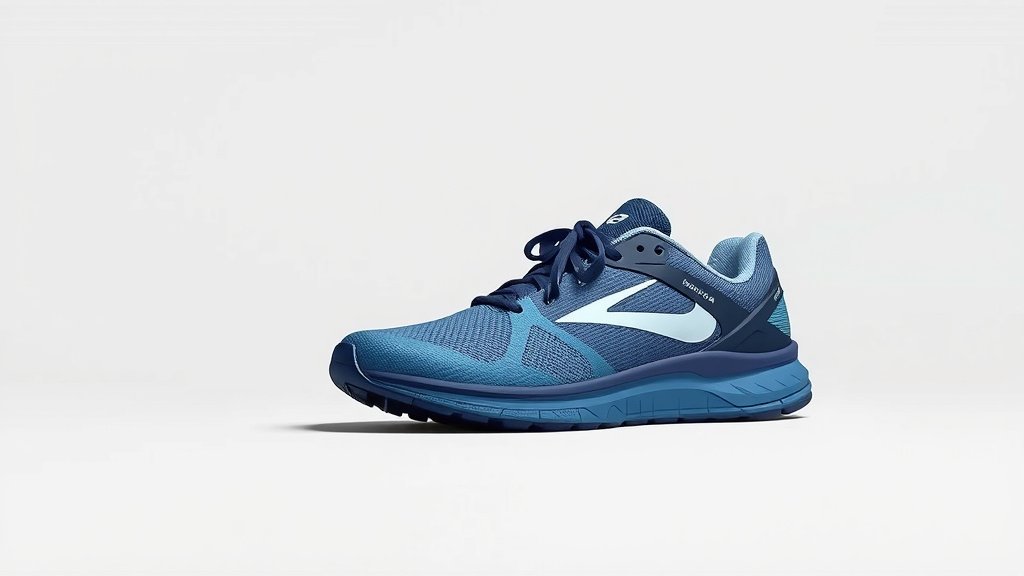
Road running shoes are your best friends for miles on pavement, sidewalks, and other hard, even surfaces. These shoes are built with plenty of cushioning. This cushioning absorbs shock with every stride. Think of it like wearing pillows for your feet. This helps reduce the impact on your joints. Road shoes are generally lighter and more flexible than trail shoes. They have a flatter, smoother outsole. This design helps with a smooth transition from heel to toe. You’ll typically find them in a wide range of styles and support levels. This means you can find a road shoe that fits your specific foot type and gait. Many road runners look for shoes with good shock absorption. This is essential for long runs on hard surfaces. Some brands even offer specific cushioning technologies. They aim to provide a softer landing and a more responsive feel. You might also see shoes labeled as ‘neutral’ or ‘stability’. This refers to how they support your foot’s natural motion. Understanding this can further refine your choice.
Key Features of Road Running Shoes
- Ample Cushioning: Absorbs shock on hard surfaces.
- Smooth Outsole: Designed for even, firm ground.
- Flexibility: Allows for natural foot movement.
- Lightweight: Often preferred for speed and comfort.
Exploring Trail Running Shoes
If your runs take you off the beaten path, you’ll want trail running shoes. These are built for the unpredictable nature of dirt paths, gravel roads, and rocky terrain. The main difference you’ll notice is the aggressive outsole. This features deep lugs, like little teeth. These lugs dig into the dirt and mud, giving you much-needed traction. This means you’re less likely to slip and slide on slippery surfaces. Trail shoes also offer more protection. They often have reinforced toe caps and thicker uppers. This guards your feet against rocks, roots, and other trail hazards. Some trail shoes even have rock plates. These are rigid inserts in the sole that prevent sharp objects from piercing through. While they have cushioning, it might feel firmer than road shoes. This provides a more stable platform on uneven ground. Trail shoes can feel a bit stiffer than road shoes. This is intentional to provide more support and protection.
What Makes Trail Shoes Different?
- Lugged Outsole: Provides superior grip on varied terrain.
- Enhanced Protection: Guards against rocks and debris.
- Durability: Built to withstand tougher conditions.
- Stability: Offers a more secure feel on uneven ground.
When to Consider Hybrid or Trail-Road Shoes
What if you run on a mix of surfaces? You might use paved paths for a bit, then transition to a dirt trail. Or maybe your local park has gravel paths and short grass sections. In these cases, a hybrid shoe could be your perfect match. These shoes aim to blend the best features of road and trail shoes. They offer a moderate level of cushioning. They also have a less aggressive outsole than dedicated trail shoes. The lugs are usually shorter and more spaced out. This allows for a more comfortable ride on pavement. Yet, they still provide enough grip for light trails. Some people call these “door-to-trail” shoes. They are great if your runs start from your doorstep and head straight into nature. They offer a good compromise. You don’t sacrifice too much comfort on the road. You still get decent performance on the trail. It’s like having a multi-tool for your feet.
Factors Beyond Terrain: What Else to Consider
Terrain is a major factor, but it’s not the only one. Your foot type and gait play a big role. Do you have high arches or flat feet? Do your ankles roll inward or outward when you run? Understanding this helps you choose between neutral, stability, or motion control shoes. Many running stores offer a gait analysis. This can be very helpful. They watch you run on a treadmill. Then they can recommend shoes based on your biomechanics. The amount of cushioning you prefer is also personal. Some runners love a plush, soft feel. Others prefer a firmer, more responsive ride. We found that runner preference varies widely here. Consider the weight of the shoe too. Lighter shoes can feel faster. Heavier shoes often offer more support and cushioning. Finally, think about how far you typically run. Longer distances might require more cushioning for comfort.
Your Personal Running Profile
- Foot Arch Type: High, normal, or flat.
- Gait: Neutral pronation, overpronation, or supination.
- Cushioning Preference: Soft and plush vs. firm and responsive.
- Running Distance: Short jogs vs. long endurance runs.
- Previous Injuries: Any issues to be mindful of.
A Quick Checklist for Shoe Selection
Ready to find your next pair? Keep these points in mind:
- Identify Your Primary Terrain: Where do you run 80% of the time?
- Assess Your Foot Needs: Do you need extra support or cushioning?
- Read Reviews: Look for feedback on durability and performance for your terrain.
- Try Them On: Always try shoes on before buying. Wear your running socks.
- Walk and Jog: Take a few laps around the store. See how they feel.
- Don’t Be Afraid to Ask: Store staff can offer great advice.
Conclusion
You’ve learned how terrain dictates your running shoe choice. Road shoes offer shock absorption for hard surfaces. Trail shoes provide grip and protection for off-road adventures. Hybrid shoes are a solid middle ground. Remember to also consider your personal foot type and cushioning preferences. This detailed approach helps you find the perfect pair. Your next step is to visit a running store. Try on different shoes based on your primary running surfaces. Happy running!
Frequently Asked Questions
Can I use road running shoes on light trails?
For very light, well-maintained dirt paths, you might get away with road shoes. However, they lack the aggressive tread for traction and protection needed on true trails. You’ll likely experience reduced grip and less foot protection.
Do I really need separate shoes for road and trail running?
If you run on both surfaces regularly, yes, it’s highly recommended. Using the wrong shoes can lead to discomfort, reduced performance, and potential injuries like slips or strains.
How do I know if I need a trail shoe with rock protection?
If your typical trails are rocky, root-filled, or have sharp debris, you’ll benefit from rock plates. These protect your feet from sharp objects poking through the sole.
Are trail running shoes heavier than road running shoes?
Generally, trail running shoes tend to be a bit heavier. This is due to the added features like reinforced uppers, protective toe bumpers, and more robust outsoles for durability and grip.
What if I run on grass or a mix of pavement and gravel?
A hybrid or “door-to-trail” shoe would likely suit you best. They offer enough cushioning for pavement and a moderate grip pattern for gravel and short grass sections.