Track Spike Care: Keep Your Spikes Sharp and Ready
Caring for your track spikes is pretty simple when you know how. The key to keeping them in top shape involves **cleaning them after every use** and storing them properly. This helps maintain their performance and longevity, so you can focus on your race, not your footwear.
Your track spikes are specialized gear designed for speed. Proper care ensures they deliver the grip and responsiveness you expect on the track. We found that consistent maintenance can **prevent premature wear** and keep those sharp points ready for action.
- Clean spikes after each run.
- Dry them completely before storing.
- Keep spike wrenches handy for adjustments.
- Store them away from direct heat or sunlight.
Let’s walk through exactly how to care for your track spikes to get the most out of them.
Your track spikes are more than just shoes; they’re your ticket to shaving seconds off your personal best. To keep them performing at their peak, you need to treat them right. Think of it like tuning up a race car—a little consistent maintenance goes a long way. We’ve gathered some straightforward tips to help you do just that, ensuring your spikes are always ready for takeoff.
Keeping Your Track Spikes in Peak Condition
Proper track spike care is essential for longevity and performance. Following a few simple steps can prevent damage and keep your shoes ready for competition.
The Importance of Post-Run Cleaning
After every single run, especially on a track, your spikes accumulate dirt, sweat, and debris. This gunk can break down the materials over time. It can also clog the spike holes. Cleaning them right away is your first line of defense.
Why Cleaning Matters
Think about what your spikes go through. They grip, they push off, they handle the abrasive surface of a track. Small particles of rubber and dirt get lodged everywhere. If left unchecked, this can lead to premature wear on the outsole. It can also make the spikes feel less responsive.
Your Cleaning Toolkit
You don’t need fancy equipment. A soft brush (an old toothbrush works wonders!) is your best friend. You might also want a damp cloth and a small bowl of water. For tougher grime, a mild soap can be helpful.
Step-by-Step Cleaning Process
Here’s how to give your spikes a quick spa treatment after your workout:
- Remove loose debris: Bang your shoes together gently to dislodge as much dirt and grass as possible.
- Brush away dirt: Use your soft brush to carefully scrub away any remaining dirt from the upper and the sole. Pay attention to the grooves.
- Wipe down: Use a slightly damp cloth to wipe the shoes clean. Avoid soaking them.
- Clean spike holes: Gently brush out any dirt or debris stuck in the spike holes. You can use a toothpick if needed, but be gentle.
Drying Your Spikes Properly
Moisture is the enemy of athletic footwear. Improper drying can lead to odors and material breakdown. You need to ensure your spikes are completely dry before storing them.
Why Air Drying is Key
Many experts recommend air drying for most athletic shoes. Direct heat, like from a heater or a dryer, can warp plastics and damage adhesives. It can also make the materials brittle. Your spikes are designed for performance, not to withstand intense heat. So, patience is key here.
The Right Way to Air Dry
Find a cool, dry spot with good air circulation. You can place your spikes on a boot rack or even just on a clean surface. Pointing them upwards can help moisture escape from the inside. It might take 12-24 hours for them to be fully dry, depending on humidity.
What to Avoid
Never put your track spikes in a clothes dryer. Don’t leave them sitting in direct sunlight for extended periods, as this can also degrade the materials. And resist the urge to stuff them with newspaper; while it can help absorb moisture, it might compact the shoe’s interior too much.
Spike Management: The Tiny but Mighty Details
The metal spikes themselves are critical for grip. Keeping them in good condition and knowing how to manage them is a vital part of spike care. Many athletes overlook this, but it makes a big difference.
Checking and Tightening Spikes
Spikes can loosen during a run. A loose spike can affect your traction and potentially fall out. It’s a good practice to check your spikes before every few runs. You can do this by hand; if any feel loose, tighten them.
Your Spike Wrench is Your Friend
Every pair of spikes should come with a small spike wrench. This tool is designed to fit the spikes perfectly. Keep it with your running gear! A quick twist can secure any wobbly spikes. Don’t overtighten, though; you want them snug, not stripped.
When to Replace Spikes
Spikes do wear down, especially the tips. If you notice they’ve become dull or significantly shorter, it’s time for a replacement. Dull spikes offer less grip. Many sources suggest replacing spikes when they look noticeably worn. You can buy replacement spikes in various lengths and types depending on the track surface and your event.
Storing Your Track Spikes
Proper storage prevents damage and keeps your spikes ready for action. Where you store them matters more than you might think.
Cool, Dry, and Out of the Sun
The best place for your spikes is a cool, dry environment. Avoid storing them in places with extreme temperature fluctuations. Garages or sheds can get very hot in the summer and cold in the winter. Direct sunlight can fade colors and degrade materials over time. A shelf in your closet or a breathable bag is ideal.
Using a Shoe Bag
A breathable shoe bag can protect your spikes from dust and keep them together. It also prevents the sharp spikes from snagging on other items in your gear bag.
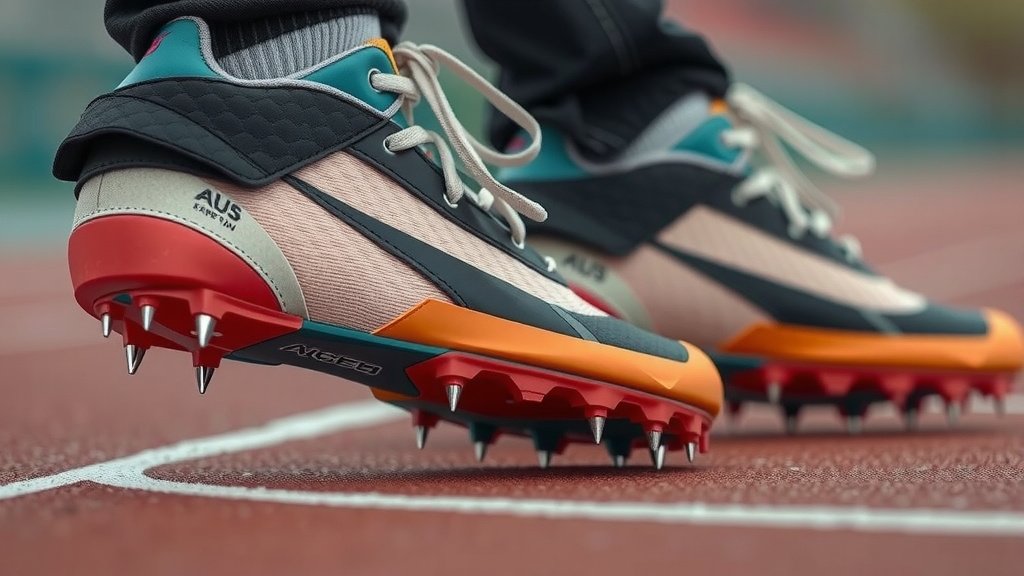
Quick Checklist for Spike Maintenance
Here’s a handy checklist to keep your spikes in top shape:
- Clean spikes after each workout.
- Dry thoroughly with air circulation.
- Check spike tightness regularly.
- Replace worn or dull spikes.
- Store in a cool, dry place.
- Keep your spike wrench handy.
Conclusion
You’ve learned that keeping your track spikes in prime condition boils down to a few consistent habits. Cleaning them after every run prevents dirt buildup. Proper air drying protects their materials from damage. Regularly checking and tightening your spikes ensures optimal grip. And finally, smart storage keeps them safe from heat and sun.
By incorporating these simple steps into your routine, you’ll extend the life of your spikes and maintain their performance. Now, go ahead and apply these tips to your favorite pair. You’ll feel the difference on the track!
Frequently Asked Questions
Can I wash my track spikes in a washing machine?
No, you should absolutely avoid washing your track spikes in a washing machine. The harsh agitation and water saturation can easily damage the shoe’s construction, adhesives, and delicate materials. Hand washing is the safest and most effective method for cleaning them.
How often should I replace the metal spikes?
You should replace your metal spikes when the tips appear dull or significantly shorter than their original length. This typically happens after many runs, but can vary based on track surface and athlete weight. Worn spikes reduce grip and can impact your performance.
What’s the best way to store spikes when I’m not using them for a while?
When storing your spikes for an extended period, ensure they are thoroughly clean and completely dry. Store them in a cool, dry place away from direct sunlight and extreme temperatures, ideally in a breathable shoe bag or box to protect them from dust and damage.
Are track spikes waterproof?
Most track spikes are not designed to be waterproof. They are made with lightweight, breathable materials to keep them light and allow for quick drying. Exposing them to excessive water, especially submerging them, can damage the shoe and should be avoided.
My spike holes feel clogged with mud, what’s the best way to clean them?
Gently use a soft brush, like an old toothbrush, to dislodge dirt from the spike holes. A toothpick can also be used carefully to pick out stubborn debris, but be very gentle to avoid damaging the threads or the surrounding material of the shoe.