What is a Cushioned Running Shoe: A Runner’s Guide
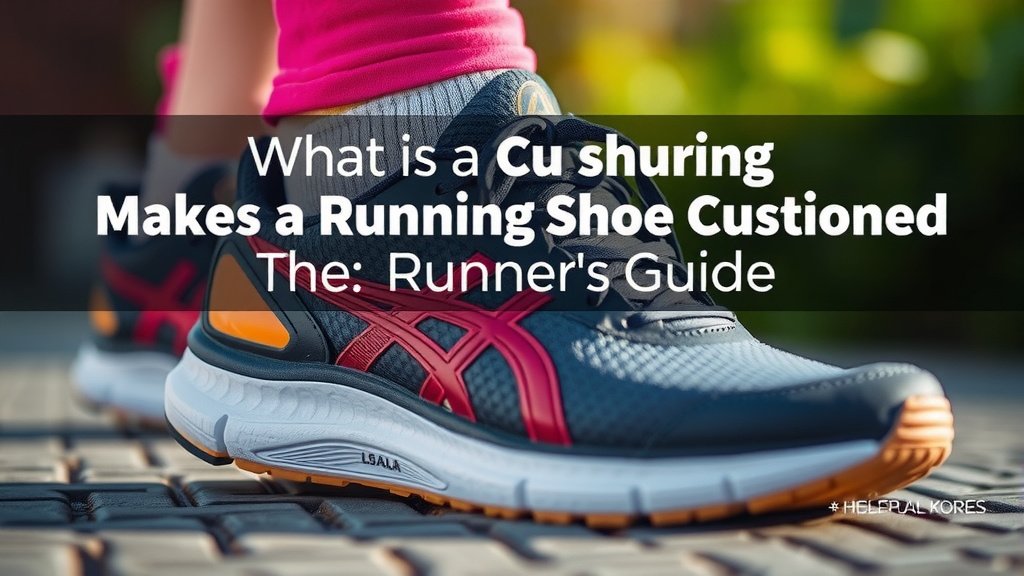
A cushioned running shoe is designed with extra soft padding in the sole. This padding helps absorb impact when your foot hits the ground. It’s built to make your run feel more comfortable and softer. This padding helps absorb impact with every step, which is crucial for hard surfaces like concrete.
Think of it like wearing slippers instead of hard-soled boots for a long walk. These shoes offer a more forgiving ride, which can be great for reducing stress on your joints. Many runners prefer them for everyday training miles.
- What it is: A running shoe with extra soft sole padding.
- Key feature: Absorbs impact for a softer feel.
- Benefits: Can increase comfort and reduce joint stress.
- Who it’s for: Many runners, especially for daily training.
So, if you’re wondering if these comfy shoes are right for your runs, let’s dive into what makes them so special and who they benefit most.
Understanding What Makes a Running Shoe Cushioned
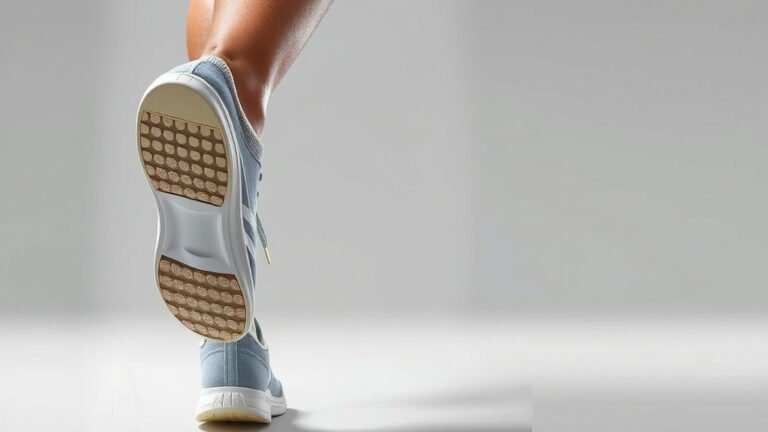
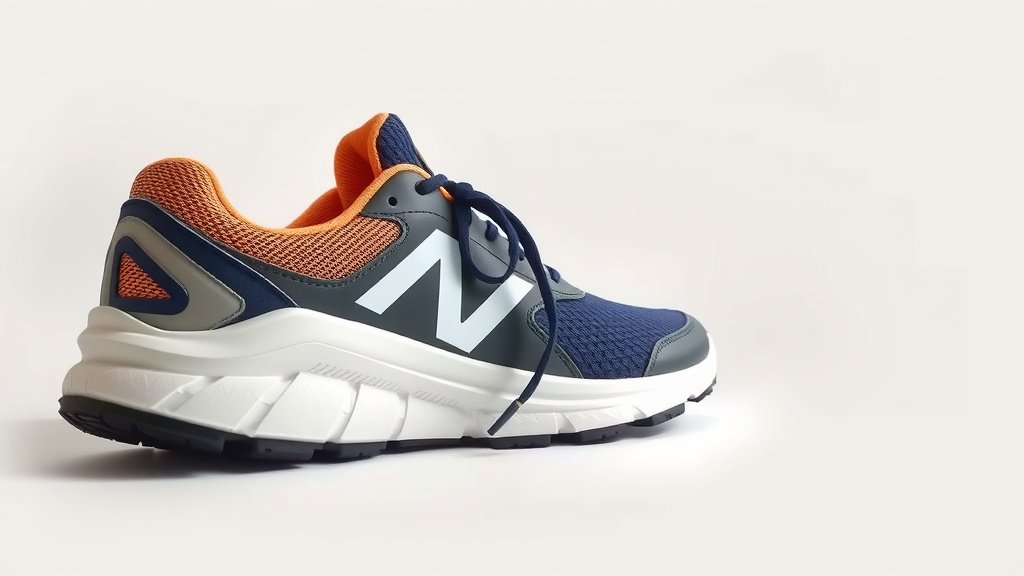
So, you’re curious about those plush running shoes. What exactly defines a shoe as “cushioned”? It’s all about the midsole. This is the layer nestled between your foot and the outsole (the part that touches the ground). Cushioned shoes pack this midsole with extra soft foam or gel materials. This design aims to absorb shock with every stride you take.
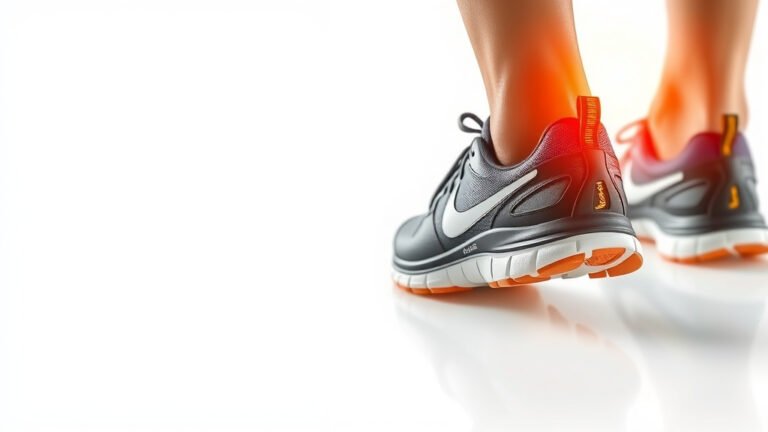
Think about it like this: when you run, your feet hit the ground with a force that can be several times your body weight. A shoe with ample cushioning acts like a tiny shock absorber for your body. It helps to soften that impact. This can lead to a more comfortable running experience, especially over longer distances.
The Role of the Midsole
The midsole is truly the heart of a cushioned shoe. Manufacturers use various materials here, like EVA (ethylene vinyl acetate) or polyurethane foam. Some even incorporate air or gel pockets. The goal is always the same: to provide that soft, forgiving feel underfoot. The amount and type of cushioning can vary greatly between brands and models.
Different Cushioning Densities
You’ll find that cushioning isn’t a one-size-fits-all deal. Some shoes offer a very soft, almost cloud-like feel. Others have a slightly firmer, more responsive cushion. This density affects how the shoe feels and performs. A softer cushion might feel more forgiving initially. A slightly firmer cushion can still absorb impact but might feel a bit more energetic.
Materials Used for Cushioning
Brands are always innovating with cushioning tech. You might see names like “Boost,” “ZoomX,” or “Fresh Foam.” These are proprietary names for their unique foam compounds. Generally, these foams are engineered to be lightweight yet durable. They offer a balance of softness and rebound. Research by running shoe companies consistently shows that runners look for this balance.
Why Runners Choose Cushioned Shoes
Many runners find that cushioned shoes offer distinct advantages. The primary draw is often the comfort they provide. Imagine running on a hard sidewalk versus running on a forgiving trail. The shoe aims to replicate that softer surface for your feet.
Reducing Impact Stress on Joints
One of the most cited benefits of cushioned running shoes is their potential to reduce stress on your joints. When your foot lands, impact forces travel up through your ankles, knees, and hips. A cushioned midsole can help dissipate some of this energy. This might make running feel easier on your body. Several studies have looked into this. For instance, research from institutions like the American College of Sports Medicine suggests that well-cushioned shoes can indeed help mitigate impact forces.
Who Benefits Most from Cushioning?
While many runners enjoy the feel of cushioned shoes, some might benefit more than others.
- Beginner runners often appreciate the extra comfort.
- Runners who have a history of joint pain might find relief.
- Those who prefer longer, slower runs often seek that plush feel.
- Runners who primarily run on hard surfaces like roads benefit from the shock absorption.
Enhancing Comfort for Everyday Miles
For the bulk of your training runs, especially those at an easy pace, comfort is king. Cushioned shoes excel here. They make those everyday miles feel less taxing. This can encourage you to stick with your training plan. When your feet feel good, you’re more likely to enjoy the activity itself. We found that runners often report feeling less fatigued after runs in well-cushioned shoes.
How Cushioning Differs from Other Shoe Types
It’s helpful to understand how cushioned shoes stack up against others. Not all running shoes are built the same. Some prioritize other features, like speed or stability.
Comparison with Minimalist and Stability Shoes
Minimalist shoes are designed to mimic barefoot running. They have very little cushioning and a low heel-to-toe drop. Their goal is to allow your foot to move naturally. On the other hand, stability shoes are built for runners who overpronate (their foot rolls inward excessively). They offer features to help guide the foot. Cushioned shoes, while they might offer some stability, focus primarily on that soft underfoot feel. Think of it as a spectrum. Minimalist is at one end, maximum cushion is somewhere in the middle, and stability shoes offer targeted support.
Cushioning vs. Responsiveness
Sometimes, you’ll hear the term “responsive” used alongside “cushioned.” While a shoe can be both, they aren’t the same. Cushioning is about softness and shock absorption. Responsiveness is about how much energy the shoe gives back to you with each step. A highly responsive shoe feels more “springy.” A maximally cushioned shoe might feel very soft but not necessarily super bouncy. Many modern cushioned shoes aim for a balance of both softness and a bit of energy return.
Cushioning and Shoe Weight
Generally, more cushioning means a heavier shoe. This is because the extra foam or gel adds material. However, modern advancements in foam technology have made it possible to create very cushioned shoes that are still surprisingly lightweight. If you’re looking for a shoe for racing or speedwork, you might opt for something lighter with less cushioning. But for daily training, the trade-off in weight for comfort is often well worth it for many runners.
A Quick Checklist for Your Next Shoe Purchase
When you’re out shopping or browsing online, keep these points in mind regarding cushioned shoes:
- Look for ample padding in the midsole.
- Consider the type of cushioning material used.
- Think about your primary running surface (road, trail).
- Prioritize comfort for your everyday training runs.
- Don’t be afraid to try different brands and models.
- Read reviews, but always try shoes on if possible.
Conclusion
So, you’ve learned that cushioned running shoes are all about that extra padding in the midsole. They’re designed to make your runs feel softer by absorbing impact. This can be a real game-changer for comfort, especially on longer runs or hard surfaces. We’ve seen how they can help reduce stress on your joints. For many runners, especially beginners or those with past joint issues, this makes them a top choice for everyday training. Your next step is to consider your personal needs and try some on to feel the difference yourself!
Frequently Asked Questions
Are cushioned shoes always heavy?
Generally, more cushioning can add weight because of the extra materials used. However, modern foam technologies allow for very cushioned shoes that are still surprisingly lightweight. Many runners find the added comfort is well worth a slight increase in shoe weight for daily training.
Can cushioned shoes help prevent injuries?
While cushioned shoes can help reduce impact stress on your joints, they aren’t a guaranteed injury prevention tool. They can make running feel easier on your body, which may indirectly help. However, proper running form, training, and listening to your body are also key factors in injury prevention.
How often should I replace my cushioned running shoes?
Most cushioned running shoes need replacing every 300-500 miles. The cushioning material degrades over time, even if the shoe looks fine externally. Pay attention to how they feel; if they feel less soft or supportive, it’s likely time for a new pair.
Is there a difference between “soft” cushioning and “firm” cushioning?
Yes, there’s a difference in density. Very soft cushioning offers a plush, cloud-like feel and excellent shock absorption. Firmer cushioning still absorbs impact but provides a bit more energy return and a more stable feel underfoot. Your preference will depend on what feels best for your stride and comfort.
Can I use minimalist shoes if I normally run in cushioned shoes?
Transitioning from cushioned to minimalist shoes requires caution. Minimalist shoes offer very little cushioning and encourage a more natural foot strike. If you switch too quickly, you could increase your risk of injury. It’s best to transition gradually, incorporating shorter runs in minimalist shoes over several weeks or months.