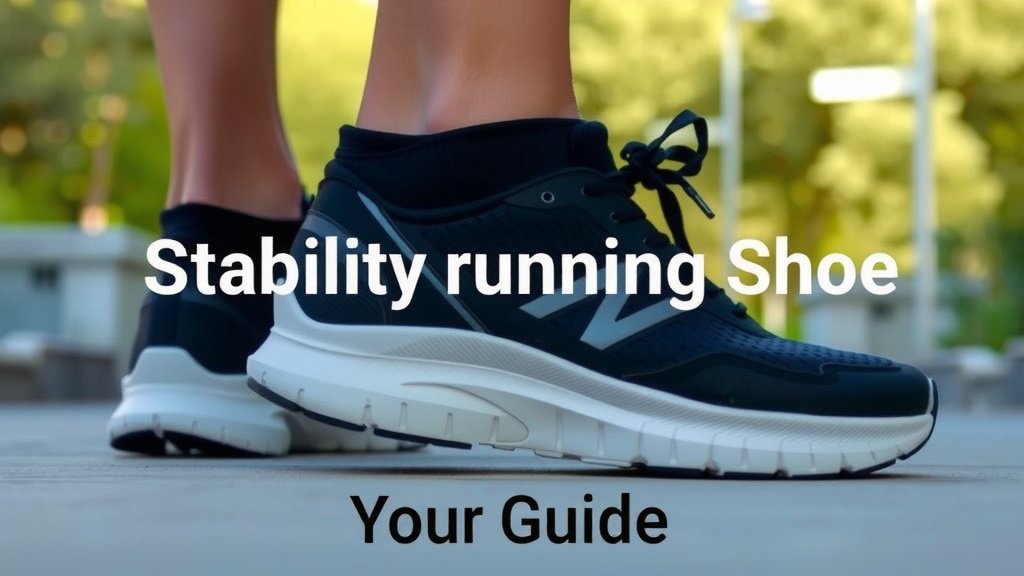
What Is a Stability Running Shoe: Your Guide
A stability running shoe is designed to help runners whose feet tend to roll inward too much. This inward rolling motion is often called overpronation. These shoes offer extra support to guide your foot into a more neutral position as you run. They help prevent injuries that can come from this motion.
Many runners benefit from the added stability these shoes provide. They work by using features like firmer foam on the inside edge of the midsole. This firmness helps to slow down the rate of pronation. We found that even mild overpronation can benefit from the right kind of support. They’re a great choice for runners seeking a more guided and secure stride.
- Stability shoes help with overpronation.
- They use firmer foam for support.
- This reduces inward foot rolling.
- They aim to prevent running injuries.
- Good for runners needing extra guidance.
If you’re wondering if a stability shoe is right for your runs, let’s break down what makes them tick.
Understanding Stability Running Shoes
Stability running shoes are built to help runners whose feet tend to roll inward excessively. This motion is often called overpronation. These shoes provide extra support to guide your foot into a more neutral position during your run. They help prevent injuries that can occur from this rolling motion.
Many runners benefit from the added stability these shoes offer. They work by incorporating features like firmer foam on the inside edge of the midsole. This firmness helps slow down the rate of pronation. We found that even mild overpronation can benefit from the right kind of support. They’re a great choice for runners seeking a more guided and secure stride.
How Do Stability Shoes Actually Work?
The main goal of a stability shoe is to control the foot’s inward roll. They achieve this through several design elements working together.
The Role of the Midsole
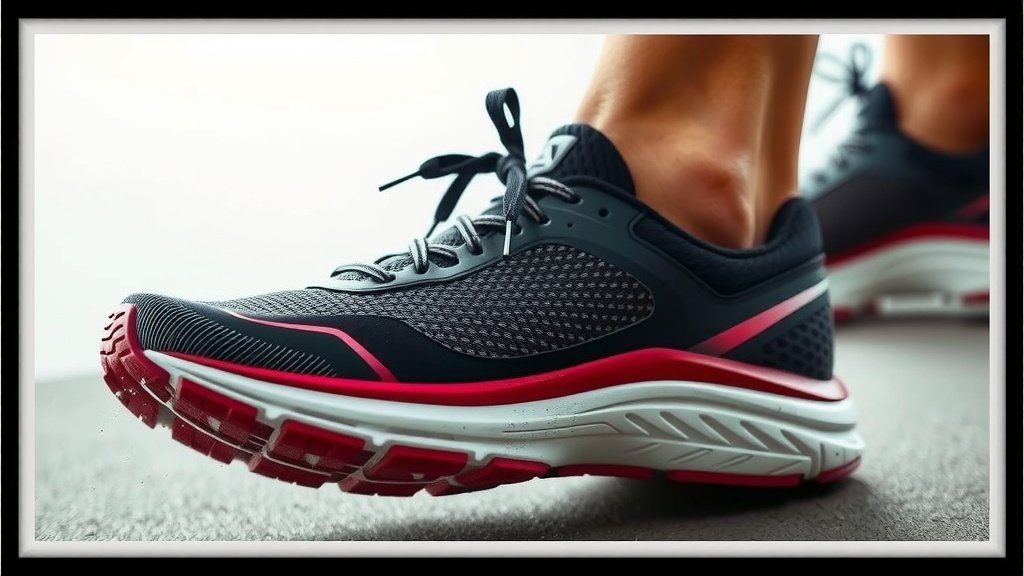
The midsole is the heart of any running shoe. For stability shoes, it’s where the magic happens. Manufacturers use different densities of foam here. Think of it like a suspension system for your foot.
Dual-Density Foam
You’ll often find firmer foam placed on the medial side of the midsole. This is the side closest to your other foot when you run. This firmer foam provides a gentle push back. It helps slow down your foot’s natural tendency to collapse inward too much.
Support Posts
Some stability shoes use what are called support posts. These are simply areas of denser foam. They are strategically placed within the midsole. Their job is to resist compression. This resistance guides your foot through a smoother transition from heel strike to toe-off.
Other Stability Features
Beyond the midsole, other parts of the shoe contribute to stability.
Heel Counter
The heel counter is the stiff cup around the back of your heel. In stability shoes, this is often firmer and more structured. It helps to lock your heel in place. This prevents excessive side-to-side movement. A secure heel can make a big difference in overall foot control.
Guide Rails
Some brands use a system called guide rails. These are like bumpers along the sides of the shoe. They hug your foot. This helps keep it from rolling too far in either direction. We found this can feel very supportive without being overly rigid.
Who Benefits Most from Stability Shoes?
It’s not just about having flat feet. Several factors point towards needing stability.
Identifying Overpronation
The most common reason is overpronation. This is when your foot rolls inward more than 15% after landing. You can often spot this by looking at your old running shoes. Is the wear pattern heavily concentrated on the inner edge of the sole?
Another way to check is to look at your feet. When you stand, do your arches tend to collapse? If your feet look flat, you might be an overpronator. Many experts suggest that a visible arch when standing is a good sign of a neutral foot type (American Podiatric Medical Association).
Arch Type and Stability Needs
While not a perfect science, arch height can be an indicator. Runners with low arches or flat feet often overpronate. Conversely, runners with very high arches might supinate (roll outward). Stability shoes are generally not recommended for supinators.
Body Weight and Biomechanics
Heavier runners may experience more pronation simply due to the forces involved in running. If you’re a heavier runner, you might benefit from the extra support. Certain biomechanical issues, like knock knees, can also lead to increased inward rolling.
Stability vs. Neutral Shoes: What’s the Difference?
Understanding the distinction is key to choosing the right shoe. Neutral shoes are built for runners with a more neutral foot strike.
| Feature | Stability Shoe | Neutral Shoe |
|---|---|---|
| Midsole Support | Firmer foam, support posts, or guide rails on the medial side. | Consistent cushioning throughout the midsole. No added medial support. |
| Motion Control | Designed to limit excessive inward rolling (pronation). | Allows the foot to move naturally without restriction. |
| Arch Type | Often recommended for low arches or flat feet. | Suitable for normal arches, high arches, and mild pronators. |
| Feel | Can feel slightly firmer or more structured. | Generally feels softer and more flexible. |
We found that the primary difference lies in the shoe’s approach to foot motion. Neutral shoes let your foot do its thing. Stability shoes offer a gentle nudge in the right direction.
Making the Right Choice for Your Feet
Choosing the right running shoe is personal. What works for one runner might not work for another.
When to Consider Stability Shoes
If you’ve experienced issues like shin splints or plantar fasciitis that you suspect are related to your foot mechanics, stability shoes are worth investigating. Runners who feel their ankles collapsing inward while running should also look into them.
The Importance of a Gait Analysis
The best way to know for sure is to get a gait analysis. Many specialty running stores offer this service. They’ll watch you run on a treadmill. They can assess your foot strike and pronation pattern. This professional advice is incredibly helpful.
We found that even a simple test can be useful. Wet your feet and step onto a piece of paper. The imprint can give you a clue about your arch height. A full footprint suggests low arches, a partial footprint suggests normal arches, and only the heel and ball of your foot showing indicates high arches.
Trying Them On
Always try shoes on before buying. Go for a short jog in them if possible. Pay attention to how your foot feels. Do you feel supported? Is there any pinching or discomfort? Your feet will tell you a lot.
Consider these quick tips when checking out stability shoes:
- Check for a firmer feel on the inside edge of the sole.
- Ensure the heel feels secure and doesn’t slip.
- Walk and jog around to feel the support.
- Does your foot feel guided, not forced, into a neutral position?
- Does the shoe feel comfortable for your entire foot?
- Listen to your body – comfort is key!
Conclusion
You’ve learned that stability running shoes are your ally if your feet tend to roll inward too much. They use specific design features, like firmer foam on the inside, to guide your stride. This can help reduce strain and prevent common running discomforts. Don’t guess; a gait analysis at a running store is your best bet. Take that step to find the shoes that will support your running journey comfortably and safely. Happy running!
Frequently Asked Questions
Can stability shoes help with shin splints?
Yes, stability shoes can often help with shin splints. Shin splints can be caused by overpronation, where your foot rolls inward too much. The extra support in stability shoes helps to control this motion, which may reduce the stress on your shins.
How often should I replace my stability running shoes?
You should generally replace your stability running shoes every 300 to 500 miles. The cushioning and support features in the midsole will wear down over time. Check for signs of wear, like decreased support or visible creasing, to know when it’s time for a new pair.
Are stability shoes good for walking too?
While designed for running, many people find stability shoes comfortable for walking. They offer good support and can be beneficial if you tend to overpronate. However, the firmer cushioning might feel different than a shoe specifically made for walking.
What’s the difference between stability shoes and motion control shoes?
Stability shoes offer moderate support for overpronation, while motion control shoes provide maximum support. Motion control shoes are typically for runners with severe overpronation or very flat feet. They have more rigid structures and firmer support features.
Can I wear neutral shoes if I have flat feet?
Some people with flat feet can comfortably wear neutral shoes, especially if they don’t experience excessive inward rolling. However, many individuals with flat feet benefit from the added support of stability shoes to help control pronation. It’s best to get a gait analysis to determine your specific needs.