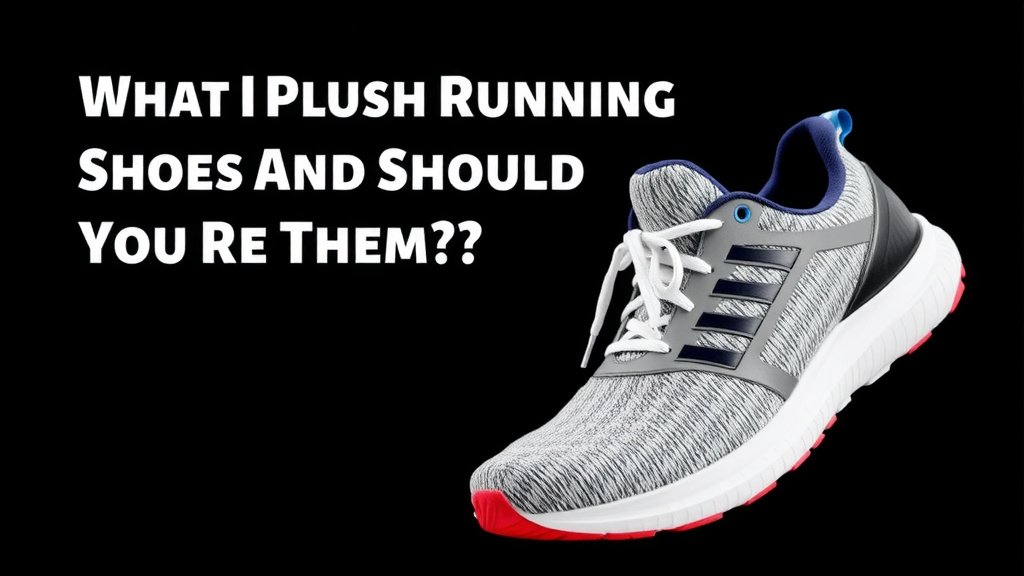
What Are Plush Running Shoes and Should You Try Them
A plush running shoe is designed for maximum cushioning and comfort. Think of it as a cloud for your feet. These shoes are built to absorb impact, making them a great choice for long-distance runners or those who want a softer ride on their daily jogs. They prioritize a gentle feel over speed or responsiveness.
Plush shoes often feature thick midsoles made from soft foams. This design helps reduce stress on your joints, like knees and ankles. Many runners find them incredibly supportive and forgiving. They can be a real lifesaver if you experience foot fatigue or discomfort during your runs.
- Plush running shoes = maximum cushion.
- Great for long runs and daily jogs.
- Focus on comfort and impact absorption.
- Softer ride, less stress on joints.
Ready to feel like you’re running on air? Let’s dive into what makes a plush shoe so special and who they’re best suited for.
Understanding the Plush Running Shoe Experience
So, you’re curious about what makes a running shoe “plush.” It all boils down to one key element: generous cushioning. Imagine sinking your feet into a soft pillow with every stride. That’s the plush experience in a nutshell. These shoes are engineered to provide an incredibly soft and comfortable ride. They are built for shock absorption, making them a favorite for many runners seeking maximum comfort.
What Exactly is Plush Cushioning?
Plush cushioning refers to the amount of soft, forgiving material found in the midsole of a running shoe. This material, often a specialized foam, is designed to compress and then rebound. It acts like a shock absorber for your feet and legs. Think of it as a built-in suspension system. The goal is to reduce the impact on your joints, especially on hard surfaces like pavement.
The Materials Behind the Softness
Manufacturers use various proprietary foams to achieve this plush feel. These foams are often lighter and softer than traditional EVA (ethylene vinyl acetate). Some brands even use dual-density foams, with a softer layer directly underfoot and a slightly firmer layer closer to the ground. This combination offers both a plush feel and a stable base. We found that the specific blend of compounds is key to balancing softness with durability.
Who Benefits Most from Plush Running Shoes?
Plush shoes aren’t for everyone, but they excel for specific types of runners and running goals. If you’re looking for a shoe that makes your runs feel easier on your body, a plush option is likely a great fit. They are particularly popular among those who log a lot of miles.
Long-Distance Runners
For marathoners, ultra-marathoners, or anyone spending hours on their feet, plush shoes can be a lifesaver. The extra cushioning helps reduce fatigue over extended periods. It means less pounding on your legs and feet, allowing you to focus on your pace and enjoy the run. Many long-distance runners find that plush shoes help them recover faster, too.
Beginners and New Runners
If you’re just starting your running journey, your body might not be fully accustomed to the impact of running. Plush shoes offer a forgiving feel that can make the transition smoother. They provide a comfortable introduction to running, helping to prevent common beginner injuries. We found that beginners often appreciate the confidence a plush shoe provides.
Runners Seeking Joint Relief
Do you experience knee pain, hip discomfort, or general aches after your runs? A plush shoe can significantly help. The superior shock absorption means less jarring force travels up your legs. Research from institutions like the American Podiatric Medical Association suggests that adequate cushioning can play a role in managing and potentially preventing certain types of running-related pain. It’s about making your runs kinder to your body.
Recovery and Easy Run Days
Even if you have a faster shoe for speed work, a plush shoe is excellent for your easy days or recovery runs. When your goal is simply to log miles comfortably and let your body recover, these shoes shine. They make the miles feel less demanding. You can think of them as your trusty, comfortable cruiser.
Key Features of Plush Running Shoes
Beyond just soft foam, several design elements contribute to the plush feel. When you’re shopping, keep an eye out for these characteristics. They help you identify the shoes that will give you that cloud-like experience.
Thick Midsoles
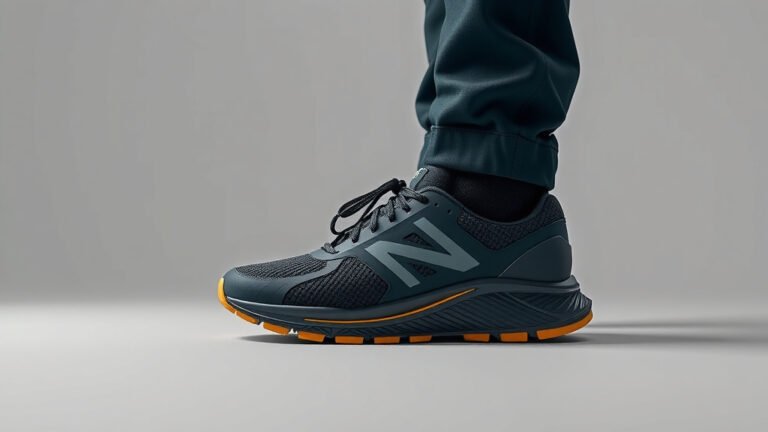
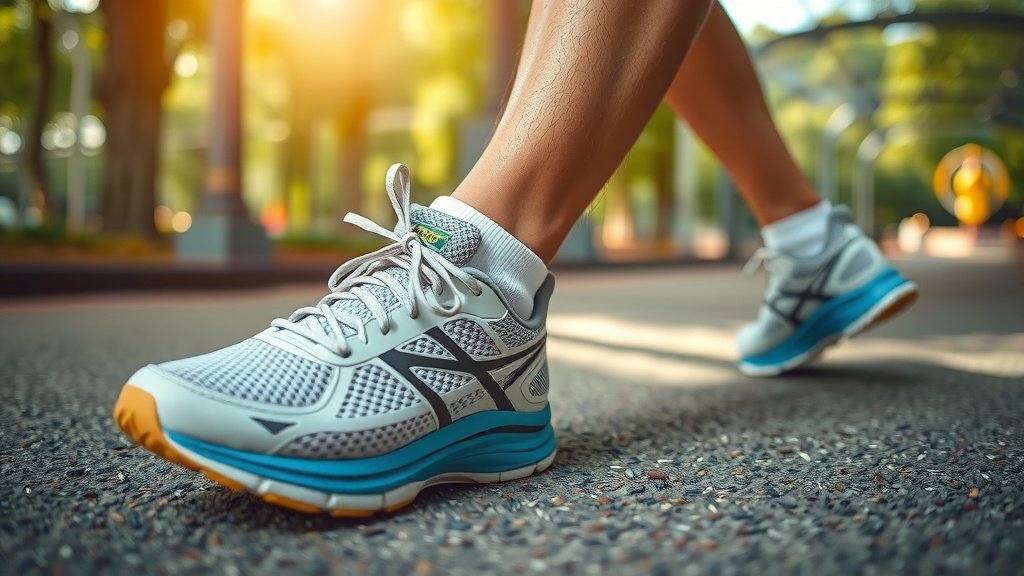
The most obvious sign of a plush shoe is a thick midsole. This is where all the cushioning magic happens. The stack height (the amount of material between your foot and the ground) is usually quite high. This generous amount of foam is what provides that deep, soft feel. You’ll often see shoes with a substantial profile that looks and feels very cushioned.
Soft Foam Compounds
As mentioned, the type of foam used is critical. Brands are constantly innovating with new foam technologies. These modern foams are not only softer but also lighter and more durable than older materials. Many are designed to provide energy return without sacrificing that soft landing. We found that the consistency of the foam across the entire midsole is a good indicator of a reliably plush feel.
Flexible Upper Construction
While the midsole does most of the cushioning work, the upper also contributes to comfort. Plush shoes often feature soft, breathable materials in their uppers. These uppers are typically designed to be accommodating and less restrictive. They wrap your foot gently, preventing irritation and allowing for a natural foot movement. A seamless construction is also common, reducing potential hot spots.
Considerations for Your Next Plush Pair
While plush shoes offer fantastic comfort, there are a few things to consider before you buy. What feels plush to one person might feel a bit too soft for another. Fit is always king!
- Fit is paramount: Even the softest shoe won’t work if it doesn’t fit your foot shape.
- Weight: Plush shoes can sometimes be a bit heavier due to the amount of foam.
- Responsiveness: If you’re looking for a shoe that springs you forward, plush might feel a little less energetic.
- Terrain: They are generally best for roads and well-maintained paths.
Plush vs. Other Shoe Types
It’s helpful to see how plush shoes compare to other popular running shoe categories. This helps you decide if they are the right choice for your specific needs.
| Shoe Type | Cushioning Level | Best For | Feel |
|---|---|---|---|
| Plush | Maximum | Long runs, recovery, joint relief | Soft, cloud-like, forgiving |
| Moderate | Balanced | Daily training, versatile use | Comfortable, responsive enough |
| Minimalist/Barefoot | Very Little | Natural running, strengthening feet | Direct ground feel, firm |
| Maximalist (often overlaps with Plush) | Very High | Ultra-distance, ultimate impact protection | Extremely soft, bouncy |
What to Look for in a Plush Shoe Checklist
Ready to find your perfect plush pair? Here’s a quick checklist to guide you:
- Generous midsole thickness: Look for a substantial sole.
- Soft foam feel: Press into the foam; it should feel yielding.
- Accommodating upper: Ensure it feels soft and non-restrictive.
- Consider your foot strike: Some plush shoes offer mild stability features.
- Read reviews: See what other runners say about comfort and durability.
- Try them on: Always test for immediate comfort.
Conclusion
You’ve learned that plush running shoes are all about giving your feet the ultimate comfort and impact protection. Their generously cushioned midsoles, often made with soft, advanced foams, make them ideal for logging miles without taxing your joints. Whether you’re tackling a long race, starting your running journey, or simply want a gentler ride, these shoes can truly transform your experience. Ready to feel that cloud-like comfort? Your next step is to head to a local running store and try on a few pairs to find the perfect plush fit for your feet.
Frequently Asked Questions
Are plush running shoes good for speed training?
Generally, plush running shoes are not designed for speed work. Their main focus is on maximum cushioning and comfort, which can sometimes make them feel less responsive. If you’re looking for a shoe to help you hit faster paces, you might want to consider a lighter, more responsive model for those specific runs.
Can plush running shoes help with flat feet?
Plush shoes can offer a comfortable experience for runners with flat feet, but they don’t inherently provide arch support. Many plush shoes have a neutral design. If you have flat feet and need specific arch support, look for plush shoes that also offer mild stability features or consider using an aftermarket insole designed for your foot type.
How long do plush running shoes typically last?
The lifespan of plush running shoes can vary, but you can typically expect to get between 300 to 500 miles out of them. The soft cushioning materials do break down over time, reducing their shock-absorbing capabilities. Paying attention to how the cushioning feels during your runs is a good indicator of when it’s time for a new pair.
Will plush running shoes make my feet sweat more?
Most modern plush running shoes use breathable materials in their uppers to help manage heat and moisture. While any shoe can make your feet feel warmer during a run, manufacturers focus on ventilation. If sweating is a major concern, look for shoes specifically advertised with enhanced breathability and moisture-wicking properties.
Can I wear plush running shoes for walking or everyday use?
Absolutely! The exceptional comfort and cushioning of plush running shoes make them fantastic for walking and casual wear. Many people find them to be some of the most comfortable shoes they own for simply being on their feet throughout the day, providing support and reducing fatigue.