
Why Do My Shins Hurt After Running: Causes & Relief
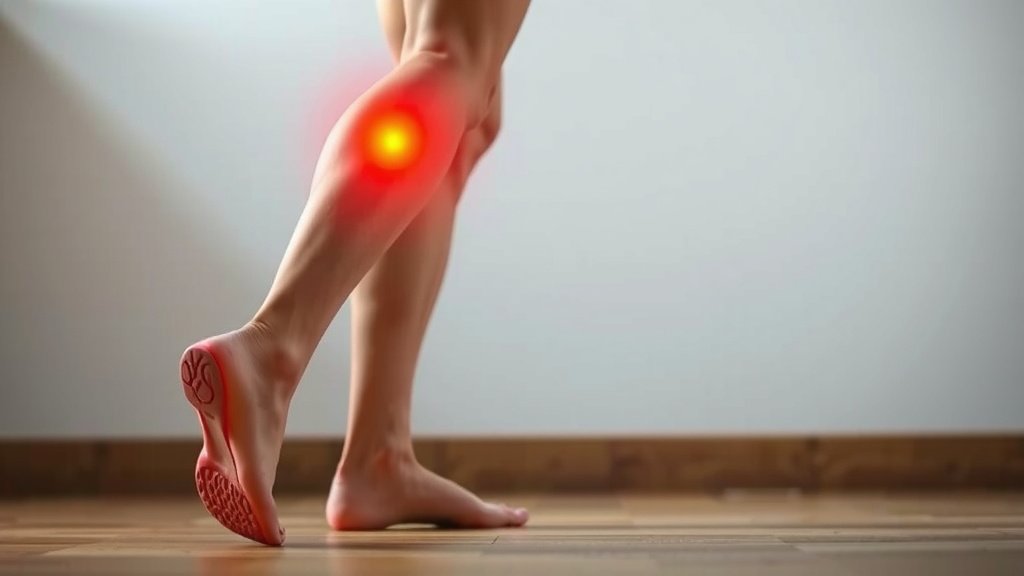
Your shins hurt after running mainly because of overuse and improper form. This often leads to conditions like shin splints or stress fractures. You might be increasing your mileage too quickly or wearing worn-out shoes. It’s your body’s way of saying it needs a break and some attention.
Pain in your shins during or after a run is a common complaint among runners. It can stem from various factors, including the type of surface you run on and the strength of your muscles. Ignoring this pain can turn a minor issue into a longer recovery.
- Sudden increase in running volume or intensity.
- Weak or tight calf muscles and foot muscles.
- Running on hard surfaces like concrete.
- Worn-out or unsupportive running shoes.
- Poor running technique, like overstriding.
We found that understanding these causes is the first step to getting back to pain-free running. Let’s walk through exactly why your shins might be hurting and what you can do about it.
So, your shins are screaming after your runs. It’s a common runner’s lament, and you’re definitely not alone. That nagging ache can be frustrating, but understanding the root cause is the first step toward getting back to pain-free miles.
Understanding Why Your Shin Pain Flares Up
When your shins hurt after running, it usually signals that your body is under too much stress. This stress can come from a few different places. We found that the most frequent culprits are overdoing it and having a technique that needs tweaking.
The Overuse Epidemic
Think of your running routine like a new song you’re learning. If you try to play it at full speed on day one, you’re going to hit a lot of wrong notes. Your muscles, bones, and connective tissues need time to adapt to the demands you’re placing on them. When you ramp up your mileage or intensity too quickly, you can overwhelm these tissues. This is often the spark that ignites shin pain. Many experts point to a rapid increase in training load as a primary driver of these issues (National Institutes of Health).
Too Much, Too Soon
Did you recently sign up for a race? Or maybe you just got really excited about your progress and added extra miles? That’s fantastic energy! But if you went from running 5 miles a week to 15 miles a week in a short period, your shins might be protesting. Research consistently shows that a quick jump in training volume is a major risk factor for shin splints and other overuse injuries.
Not Enough Rest
Rest days aren’t lazy days; they are recovery days. During rest, your body repairs itself and gets stronger. If you’re running every single day without adequate recovery, you’re essentially asking your body to build a house on a shaky foundation. We found that consistently skipping rest can lead to cumulative stress on your lower legs.
Your Running Form: A Closer Look
How you run matters just as much as how much you run. Even small adjustments in your stride can significantly impact the forces traveling up your legs. If your form isn’t biomechanically sound, you can place undue stress on your shin muscles and bones.
The Case of the Overstriding Runner
One common form issue is overstriding. This happens when your foot lands too far in front of your body, often with a stiff leg. Imagine hitting the brakes with your foot every time you land. This braking action sends a shockwave right up your shin. We found that a more efficient stride lands your foot more underneath your body.
Foot Strike Patterns
Whether you’re a heel striker or a midfoot striker, the way your foot contacts the ground can influence shin pain. If your foot lands with excessive force or in a way that creates a jarring impact, it can contribute to inflammation. Many physical therapists suggest focusing on a lighter, quicker cadence to absorb impact more evenly (American Physical Therapy Association).
When Your Body Parts Need Attention
Sometimes, the pain isn’t just about what you’re doing; it’s also about the condition of your body. Your muscles and bones are like the tools you use for running. If they’re not in good shape, they’re more prone to breaking down.
Muscle Imbalances and Weaknesses
Your lower leg is a team effort. Your calf muscles work with the muscles in your shin (like the tibialis anterior) and even muscles in your feet. If some players are weak and others are tight or overactive, the whole team suffers. For instance, weak calf muscles can force your shin muscles to work overtime, leading to pain.
Tight Calves: The Unsung Villain?
It might seem counterintuitive, but tight calf muscles can actually cause shin pain. When your calves are tight, they can limit the flexibility of your ankle. This can force your shin muscles to absorb more shock or compensate in other ways. We found that regular calf stretching can often alleviate this type of pressure.
Weak Tibialis Anterior
This is the muscle right on the front of your shin. Its job is to help lift your foot as you walk and run. If it’s weak, your foot might slap down harder when you land, or you might have trouble controlling your foot during the push-off phase. Strengthening this muscle is often a key component of recovery.
Surface and Shoe Situations
The ground beneath your feet and the shoes on your feet play huge roles. They are your direct interface with the running world.
Running on Hard Surfaces
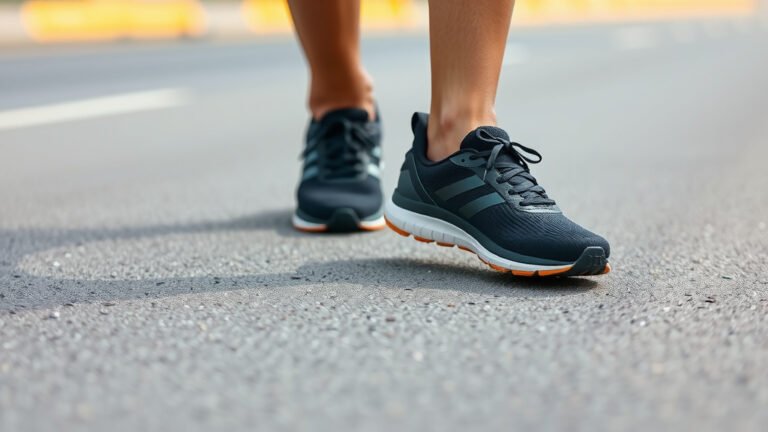
Concrete and asphalt are tough on your joints. They don’t offer much natural shock absorption. Running exclusively on these hard surfaces can send more impact directly into your shins. Trails or even a well-maintained track can offer a softer ride. We found that varying your running surfaces can reduce cumulative stress.
The Worn-Out Shoe Dilemma
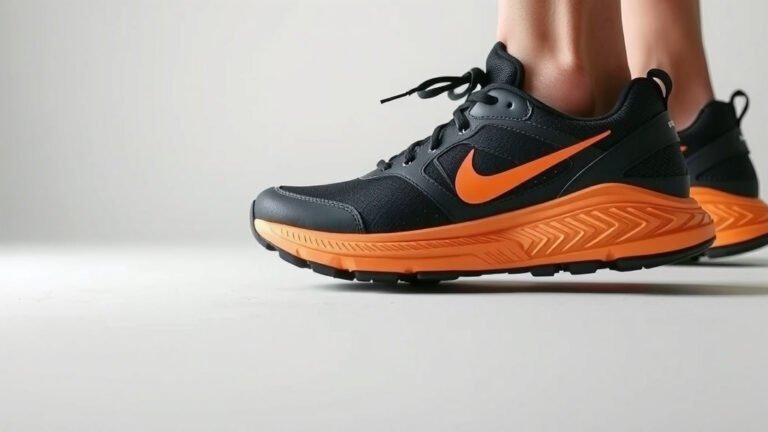
Your running shoes are your shock absorbers. Over time, the cushioning and support materials break down. Wearing shoes that have logged too many miles means you’re missing out on that essential protection. Many shoe manufacturers recommend replacing running shoes every 300-500 miles, depending on the shoe and your running style (Cleveland Clinic).
| Cause | What It Feels Like | What You Can Do |
|---|---|---|
| Overuse | Dull ache along the shin, worsens with activity | Rest, gradual return to running, cross-training |
| Poor Form | Sharp pain, often localized to one spot, can feel like a “hit” | Stride analysis, focus on cadence, strengthen supporting muscles |
| Muscle Imbalance | Tightness and soreness, can feel like cramping | Stretching, foam rolling, strengthening weak muscles |
| Worn Shoes | General discomfort, lack of cushioning feel | Replace shoes, ensure proper fit and support |
If your shins are hurting, don’t just push through it. Your body is giving you important signals.
Putting It All Together: A Quick Checklist
Here’s a handy list to help you assess what might be going on:
- Have you recently increased your running distance or speed significantly?
- Do your calf muscles feel particularly tight?
- Are your running shoes more than a few months old or have they seen many miles?
- Do you mostly run on hard surfaces like pavement?
- Does your foot land far in front of your body when you run?
- Are you giving yourself enough rest days between runs?
Conclusion
Your shin pain is your body’s signal that something needs adjustment. We’ve seen that common culprits like pushing too hard too soon, worn-out shoes, or even how you strike the ground can all contribute. It’s rarely just one thing, but a combination of factors. The good news is you have the power to make changes. By listening to your body, assessing your training, and considering your gear and form, you can get back to enjoying your runs. Start by incorporating more rest and focusing on gentle strengthening and stretching.
Frequently Asked Questions
How long should I rest my shins before running again?
The duration of rest depends on the severity of your pain. For mild discomfort, a few days of rest might suffice, combined with cross-training. If your pain is significant or you suspect a stress fracture, you may need several weeks off from running. It’s wise to listen to your body and consult a healthcare professional if pain persists.
Can I run through shin splint pain?
Pushing through shin splint pain is generally not recommended. Doing so can worsen the inflammation and potentially lead to more serious injuries like stress fractures. It’s better to rest, identify the cause, and address it before returning to running. You can often continue low-impact cross-training like swimming or cycling during your rest period.
What are the best exercises for shin splint prevention?
Focus on strengthening your tibialis anterior (the muscle on the front of your shin) and your calf muscles. Exercises like toe raises, heel walks, and calf stretches are very effective. Balance exercises can also improve your stability while running. Consistency is key, so aim to incorporate these into your routine regularly.
Should I wear supportive shoes even when I’m not running?
Wearing supportive footwear throughout the day can help reduce strain on your lower legs, especially if you have pronation issues or weak foot muscles. This can aid in recovery and prevention. Avoid going barefoot on hard surfaces for extended periods, and opt for shoes that offer good arch support and cushioning.
Is it better to run on a treadmill or outside for shin pain?
Treadmills often provide a more consistent and slightly softer surface than hard outdoor paths like concrete. This can reduce the impact on your shins. However, if you primarily run outdoors, gradually introducing yourself back to pavement after a period of rest and recovery is often recommended to simulate real-world conditions.