Why Your Knees Hurt After Running: Common Causes
Your knees might hurt after running for a few common reasons. Often, it’s due to overuse, like increasing your mileage too quickly. You might also be experiencing issues with your running form or wearing the wrong type of shoes. Sometimes, it’s simply muscle fatigue catching up with you.
Pain in your knees after a run is a signal your body is sending. We’ve found that ignoring these signals can lead to more serious problems down the road. Understanding the root cause can help you find relief and keep running safely. Many runners experience this, and you’re not alone in asking why.
- Overuse: Running too much, too soon.
- Poor form: How you land and push off.
- Wrong shoes: Lack of support or cushioning.
- Weak muscles: Supporting leg muscles need strength.
- Sudden changes: Increasing intensity or distance.
Below, we’ll break down the common culprits behind your aching knees and what you can do about them.
Decoding Knee Pain After Your Runs
So, your knees are barking after a good run? It’s a common runner’s complaint, and thankfully, usually manageable. We’ve found that knee pain often pops up when your body signals that something is out of balance. It’s your way of telling you to pay attention before a small niggle becomes a bigger problem. Let’s dive into the most frequent reasons why your knees might be feeling it.
The Overuse Factor: Too Much, Too Soon
One of the biggest culprits behind knee pain is simply doing too much, too quickly. Your body, including those hardworking knee joints, needs time to adapt to increased stress. Imagine asking a new gym-goer to lift a heavy weight on day one – not a good idea! Similarly, if you’ve recently ramped up your mileage, pace, or frequency without adequate recovery, your knees can get overloaded. This often leads to conditions like runner’s knee.
When Gradual Isn’t Gradual Enough
Many experts recommend the “10% rule,” suggesting you shouldn’t increase your weekly mileage by more than 10 percent (Mayo Clinic). This helps your muscles, tendons, and ligaments gradually strengthen and adjust. Ignoring this can lead to inflammation around your kneecap, making each stride painful. Did you just sign up for a half-marathon and suddenly double your longest run? That might be the reason.
Your Running Form: The Way You Move Matters
How you strike the ground and push off plays a huge role in how much stress your knees endure. Even small inefficiencies in your gait can add up over miles. Think of it like wearing shoes that don’t fit quite right; they might be okay for a few steps, but they’ll start to chafe after a while. Poor form can put uneven pressure on your knee joint.
Landing Technique and Knee Alignment
Are you a “heel striker”? Do your knees tend to cave inward when you land? These are common issues we see. Landing too heavily on your heel can send shockwaves up your leg. When your knees collapse inward (“knee valgus”), it puts extra strain on the inside of your knee, often leading to pain. Research often points to improving your cadence (steps per minute) and ensuring your foot lands closer to beneath your body to help alleviate this (NCBI).
Stride and Cadence Check
A shorter, quicker stride is often more efficient and less jarring on your joints than a long, bounding one. Aiming for a cadence around 170-180 steps per minute can help distribute impact more evenly. If you’re taking fewer than 160 steps per minute, you might be overstriding, which can send unnecessary force through your knees. Try listening to your footfalls; are they heavy thuds, or a lighter, quicker rhythm?
The Shoe Situation: Are You Wearing the Right Kicks?
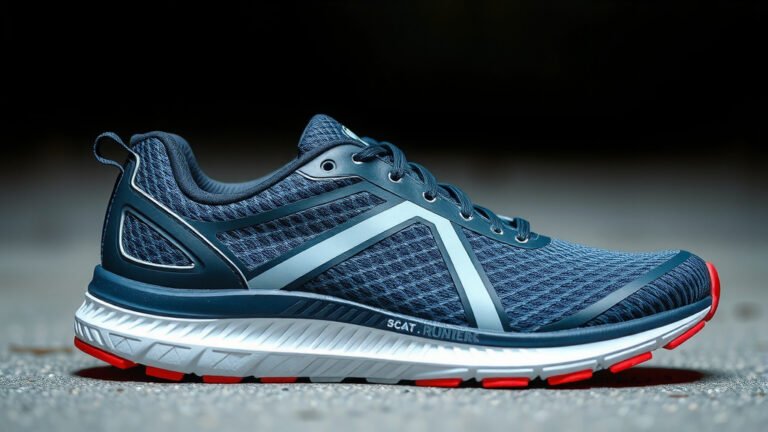
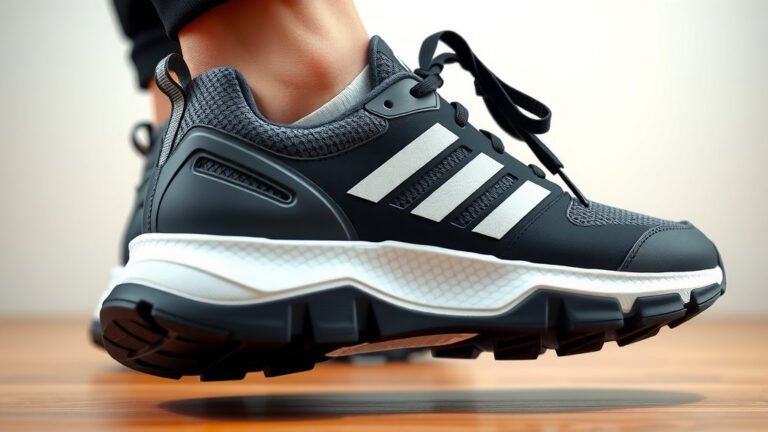
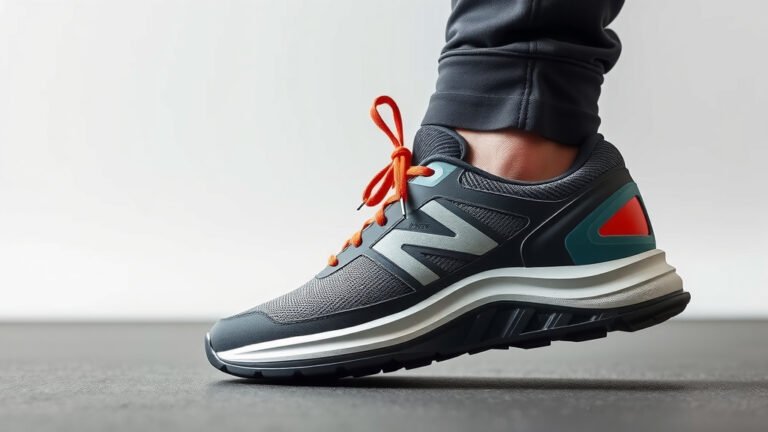
Your running shoes are your first line of defense against impact. If they’re old, worn out, or simply not the right type for your foot and running style, they can contribute to knee pain. Imagine running on rocks without shoes – ouch! Your shoes provide cushioning and support.
Wear and Tear: When Old Shoes Fail
Running shoes typically last between 300 to 500 miles. After that, their cushioning and support systems break down, even if they still look okay on the outside. If your shoes are past their prime, the shock absorption they once provided is gone. This means your knees are taking more of a beating with every step. We found that replacing worn-out shoes is one of the simplest ways to reduce knee discomfort.
Choosing the Right Shoe for You
There are different types of running shoes designed for various foot types and pronation patterns. Do you have flat feet? Do you overpronate (your foot rolls inward excessively)? Or are your arches high and rigid? A shoe store specializing in running can often assess your gait and recommend shoes that offer the right kind of support and cushioning for your specific needs. Getting this right can make a world of difference.
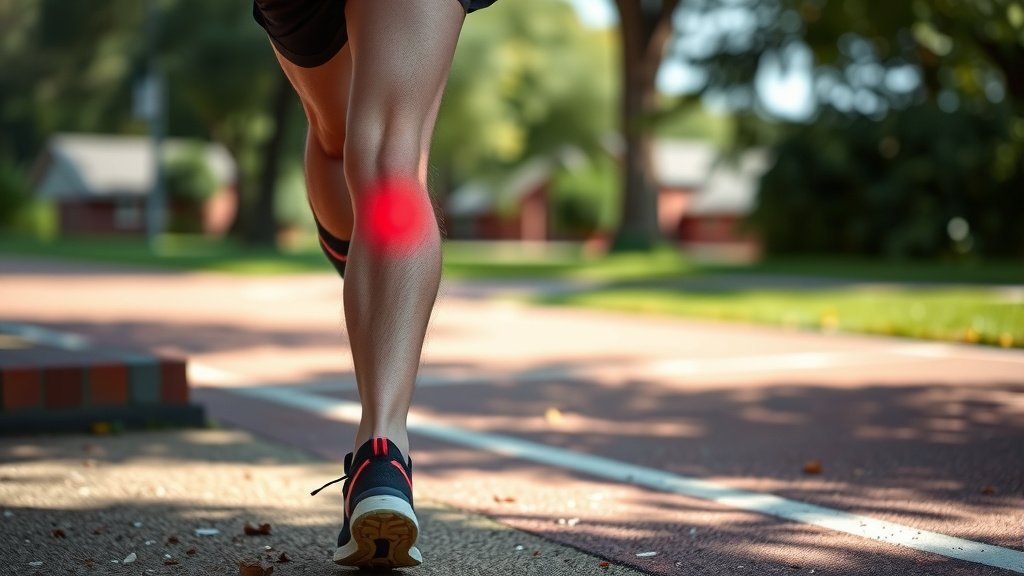
Muscle Imbalances and Weakness
Your knees don’t work in isolation. They are supported by a complex network of muscles in your hips, glutes, quads, hamstrings, and calves. If these supporting muscles are weak or imbalanced, your knees can become overloaded. Think of them as the foundation of a house; if the foundation is weak, the walls (your knees) bear more stress.
Weak Hips and Glutes
Often, weak hip and glute muscles are a major contributor to knee pain. When these powerful muscles aren’t firing correctly, your legs can become unstable. This can lead to your knees caving inward or not tracking properly during your run. Strengthening these areas is a key strategy for many runners experiencing knee issues. Many physical therapists emphasize glute strength for knee health (Cleveland Clinic).
Quad and Hamstring Strength
Your quadriceps (front of thigh) and hamstrings (back of thigh) play a vital role in knee stability and shock absorption. If one group is significantly stronger than the other, it can pull your kneecap out of alignment. Exercises like squats, lunges, and deadlifts can help build balanced strength in these key muscle groups.
Listen to Your Body: A Quick Self-Checklist
Before you chalk up your knee pain to just “being a runner,” take a moment to consider these points. Have you recently:
- Increased your mileage or intensity significantly?
- Changed your running surface (e.g., from track to pavement)?
- Experienced a sudden lack of sleep or increased stress?
- Noticed your shoes feeling flat or unsupportive?
- Felt any tightness in your hamstrings or calves?
- Skipped your warm-up or cool-down routine?
Answering yes to any of these might point you towards the likely cause of your knee discomfort. It’s not about blaming yourself, but about gathering clues to find the best path to relief.
Conclusion
Your knee pain after running doesn’t have to be a persistent problem. You’ve learned that issues like overuse, improper running form, worn-out or incorrect shoes, and weak supporting muscles are common culprits. It’s all about listening to your body’s signals and making smart adjustments. Don’t let knee aches sideline your running journey. Start by assessing your recent training changes and your gear. If pain persists, consider consulting a running specialist or physical therapist for personalized advice.
Frequently Asked Questions
Can I run through knee pain?
Generally, it’s best not to push through sharp or persistent knee pain. Running on sore knees can worsen the issue and lead to longer recovery times. Try to identify the cause of your pain and address it first.
How can I strengthen my knees for running?
Focus on strengthening the muscles that support your knees, especially your hips, glutes, quads, and hamstrings. Exercises like squats, lunges, glute bridges, and calf raises are highly effective.
What’s the first step if my knees hurt after a run?
Your first step should be to evaluate your recent running habits. Did you increase mileage too quickly? Have you changed your shoes recently? Assessing these factors can often reveal the root cause of your discomfort.
How often should I replace my running shoes?
Most running shoes need replacement every 300 to 500 miles. Even if they look fine externally, the internal cushioning and support break down over time, which can impact your knees.
Can stretching help prevent knee pain?
Yes, regular stretching, particularly of your hamstrings, quads, and calves, can help improve flexibility and reduce muscle tightness that might contribute to knee pain. Always warm up before running and cool down afterward.