Hammer Toe Running Shoes: A Buyer’s Guide
Choosing the right running shoes for hammer toes is all about finding a shoe with a wide toe box and ample cushioning. You need space for your toes to lie flat and move naturally. This helps prevent painful rubbing and pressure points. A shoe that is too narrow will only make hammer toes feel worse. Look for shoes designed to accommodate foot deformities.
Hammer toes can be tricky for runners. They often need extra support and a careful fit. We found that many standard running shoes just won’t cut it. Proper footwear can mean the difference between pain-free miles and sidelining yourself. Your goal is to find shoes that offer both comfort and protection.
TL;DR:
- Look for a wide toe box.
- Prioritize shoes with good cushioning.
- Seek out shoes designed for foot deformities.
- Ensure ample toe room to prevent pressure.
- Comfort and protection are key.
Let’s walk through exactly how to find those perfect running shoes for your hammer toes. We’ll cover what to look for and what to avoid.
Finding the Best Running Shoes When You Have Hammer Toes
Hammer toes can make finding comfortable running shoes a real challenge. You need footwear that won’t aggravate your condition. We’ve researched what runners with hammer toes need most in a shoe. It all comes down to careful selection. You want to keep running without pain.
Understanding Hammer Toes and Running
Hammer toes are a condition where your toe bends abnormally at the middle joint. This can cause pain, corns, and calluses. When you run, your feet experience impact and pressure. This can make hammer toe pain much worse. Standard shoes often squeeze your toes. This is exactly what you don’t want.
Why Standard Running Shoes Might Not Work
Many running shoes have a tapered toe box. This is designed for a snug fit. For hammer toes, this tapered shape is a problem. It forces your toes into a cramped position. This can lead to increased pressure. It might also cause friction. Your toes need room to spread out naturally.
The Goal: Comfort and Prevention
Your main goal is to find shoes that prevent further irritation. You need to avoid rubbing and pressure points. A shoe that feels good in the store might not feel good after a mile. We found that many runners with hammer toes prioritize flexibility and extra padding. These features can make a big difference.
Key Features to Look For in Running Shoes
When you’re shopping, keep these essential features in mind. They are crucial for managing hammer toes while running.
The All-Important Wide Toe Box
This is non-negotiable. You absolutely need a shoe with a generous toe box. Think of it like a spacious living room for your toes. They should be able to lie flat without touching the sides or top of the shoe. Some brands even offer shoes with a truly anatomical toe box shape. This allows your toes to splay naturally.
What to Look For
- Shape: A rounded or anatomical toe box is best. Avoid pointed or sharply tapered styles.
- Width Options: Many brands offer shoes in multiple widths. Look for wide (W) or extra-wide (XW) options.
- Heel-to-Toe Drop: While not directly related to toe box width, a lower drop can sometimes allow toes more room to spread.
Ample Cushioning for Shock Absorption
Running puts a lot of stress on your feet. Good cushioning helps absorb that shock. This reduces the impact on your joints and toes. For hammer toes, this is extra important. You want to minimize any jarring sensation. We found that shoes with plush midsoles often feel best.
Types of Cushioning
- Responsive Cushioning: This offers a balance of softness and energy return. It makes your run feel springy.
- Maximum Cushioning: These shoes are very soft. They provide the highest level of shock absorption. This can be great for long runs or if your toes are very sensitive.
Many runners with hammer toes prefer shoes with a good amount of cushioning under the forefoot. This is where your toes are. It helps buffer them from the ground. The American Podiatric Medical Association (APMA) often recommends well-cushioned shoes for foot health (APMA).
Flexibility and a Smooth Ride
Your running shoe should bend naturally with your foot. It shouldn’t be stiff. A shoe that is too rigid can force your toes into awkward positions. You want a shoe that allows your foot to move smoothly through its stride. This can reduce strain on your toes.
Where to Test Flexibility
You can test this by holding the shoe. Try to bend it at the forefoot, where your toes naturally bend. It should bend relatively easily there. It shouldn’t feel like a brick. A shoe that twists easily side-to-side is also a good sign of flexibility.
Consider Specialized Footwear Options
Some shoe brands cater to specific foot issues. You might find shoes designed for bunions or hammertoes. These often have features like seamless interiors or extra-wide forefoot areas. They are built with foot deformities in mind. Research brands known for their comfort and wide fit options.
What to Avoid When Choosing Shoes
Knowing what to avoid is just as important as knowing what to look for. These common pitfalls can lead to pain.
Narrow or Tapered Toe Boxes
We’ve said it before, but it bears repeating. Avoid any shoe that squeezes your toes. Even if the rest of the shoe fits, if the toe box is too narrow, it’s a no-go. Your toes need space to lie flat and move freely. Anything less can cause rubbing and increase pain.
Stiff, Unsupportive Shoes
A shoe that doesn’t bend or flex can be problematic. It can force your toes to work harder. This can lead to discomfort and fatigue. You need a shoe that moves with your foot, not against it. Look for shoes that offer a smooth transition from heel strike to toe-off.
Shoes That Are Too Small
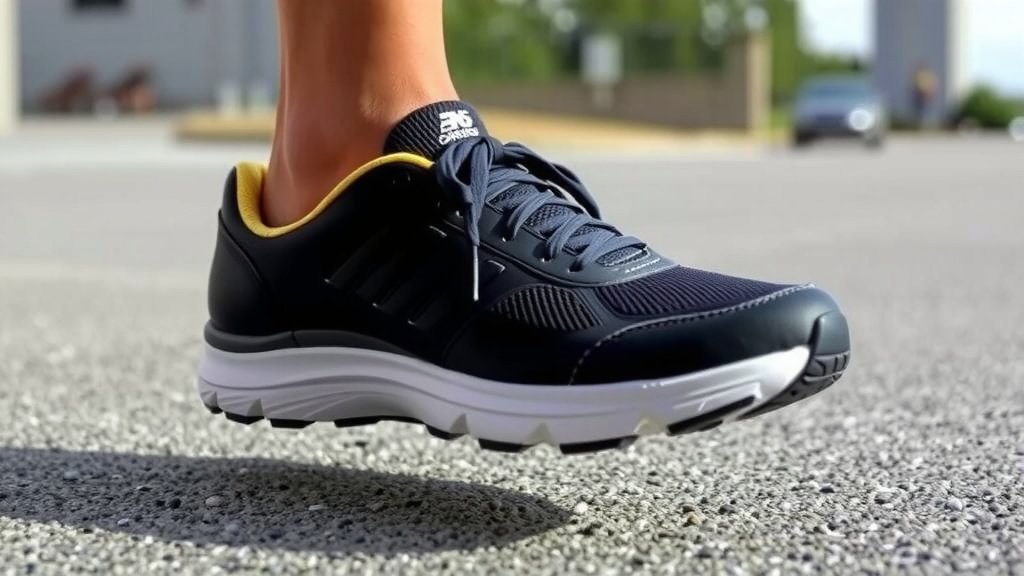
This might seem obvious, but it’s worth mentioning. Always try on shoes at the end of the day. Your feet swell throughout the day. Make sure there’s about a thumb’s width of space between your longest toe and the end of the shoe. This applies to everyone, but it’s even more critical with hammer toes.
The Fit Test: Your Most Important Step
Even the best-designed shoe won’t work if it doesn’t fit you properly. Take your time during the fitting process.
Where to Buy and How to Test
We recommend visiting a specialized running store. The staff there are usually knowledgeable. They can measure your feet and assess your gait. Try on different brands and models. Walk and jog around the store to see how they feel. Pay attention to any pressure points or rubbing.
Consider Your Socks
Always wear the type of socks you normally run in when trying on shoes. Running socks can be thicker than everyday socks. This can affect the fit. If you use orthotics, bring them with you. You need to ensure the shoes accommodate them comfortably.
Quick Checklist for Hammer Toe Running Shoes
Here’s a handy checklist to guide your shopping trip:
- Does the toe box feel wide enough for your toes to lie flat?
- Can you wiggle your toes freely inside the shoe?
- Is there ample cushioning, especially in the forefoot?
- Does the shoe bend naturally where your foot bends?
- Do you feel any immediate pressure points or rubbing?
- Did you try them on with your running socks?
Conclusion
Finding the right running shoes for hammer toes means prioritizing a wide toe box and excellent cushioning. You need ample space for your toes to lie flat and move freely. This prevents painful pressure and rubbing. Remember to look for shoes with a flexible sole and consider specialized options if needed. Always test the fit with your running socks. By focusing on these key features, you can significantly improve your running comfort and continue enjoying your miles pain-free. Your next step is to visit a running store and try on shoes that meet these criteria.
Frequently Asked Questions
Can socks make a difference when trying on running shoes for hammer toes?
Absolutely. Always try on shoes with the same type of socks you run in. Running socks can be thicker than casual socks, which affects the shoe’s fit. This is especially important for ensuring your toes have enough room.
How much space should I have in the toe box for hammer toes?
You should have about a thumb’s width of space between your longest toe and the end of the shoe. More importantly, your toes should lie flat and be able to wiggle freely without touching the shoe’s sides or top.
Are minimalist running shoes a good option for hammer toes?
Generally, no. Minimalist shoes often lack the cushioning and wider toe boxes needed to accommodate hammer toes comfortably. We found that shoes with good cushioning and ample toe room are typically a better choice.
What if my hammer toes hurt even in shoes with a wide toe box?
If you experience pain even in well-fitting shoes, consider consulting a podiatrist. They can assess if orthotics or custom inserts might provide additional support or pressure relief for your specific condition.
Should I look for shoes with a “rocker” sole for my hammer toes?
A rocker sole can sometimes help by promoting a smoother transition through your stride. This can reduce the need for your toes to bend excessively during the toe-off phase. It’s another feature worth looking for, especially if you have flexibility issues.