Choosing Running Shoes for Light Runners: A Guide
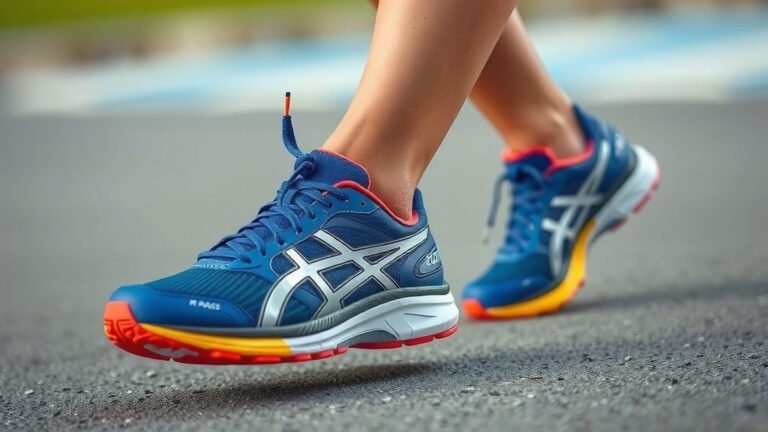
Choosing the right running shoes for lighter runners means looking for shoes that offer a good balance of cushioning and responsiveness. You don’t need the maximum cushioning found in shoes designed for heavier runners. Instead, focus on shoes that feel lightweight and agile underfoot. This will help you maintain your natural stride and avoid feeling weighed down.
As a lighter runner, your biomechanics might be different. You might have a faster cadence and experience less impact force with each step. This means you can often get away with shoes that have a bit less plushness. However, adequate cushioning is still important to protect your joints. We found that many lighter runners prefer shoes that offer a firmer, more ground-feel experience.
TL;DR:
- Look for lightweight shoes.
- Prioritize responsiveness over maximum cushioning.
- Consider a firmer feel for better ground feedback.
- Ensure shoes still offer joint protection.
Ready to find your perfect pair? Let’s dive into what makes a running shoe ideal for you.
Picking the Right Running Shoes for Lighter Runners
As a lighter runner, your shoe needs might differ from someone heavier. You often experience less impact force per stride. This means you might not need the thickest, most cushioned shoes available. Your goal is a shoe that feels light and agile, not bulky.
Understanding Your Running Style and Needs
Think about how you run. Do you tend to land more on your heel or your midfoot? Lighter runners often have a higher cadence, meaning they take more steps per minute. This can also mean less force goes into each step. We found that many lighter runners enjoy a shoe that offers a firmer, more responsive feel. It helps them feel connected to the ground.
Key Features to Look For
What makes a running shoe good for you? It’s about finding the sweet spot between support and lightness. You want enough cushion to protect your joints. But you don’t want so much that the shoe feels sluggish.
Cushioning: Less is Often More
For lighter runners, excessive cushioning can sometimes feel like running in quicksand. It can make the shoe heavier and less responsive. We found that shoes with a moderate amount of cushioning are often ideal. This provides enough shock absorption without bogging you down.
Consider this: if you’re carrying less weight, you naturally transmit less force. So, shoes designed for heavier runners might feel overkill. A medium-cushioned shoe offers a great balance. It protects your feet on longer runs but still feels peppy.
Weight: Agility is Key
The weight of your shoe makes a big difference. Lighter shoes allow for a more natural and energetic stride. They can help you feel quicker and more efficient. Think about it like wearing heavy boots versus lightweight sneakers. Which ones would you rather run in?
We’ve seen many lighter runners gravitate towards shoes labeled as “lightweight” or “performance” trainers. These shoes are often built with lighter materials. This helps reduce fatigue over time.
Responsiveness: Feel the Road
Responsiveness refers to how much energy the shoe returns to you with each step. A responsive shoe feels more “springy”. It helps propel you forward. For lighter runners, this can enhance the feeling of speed and efficiency.
Many experts suggest that a firmer midsole often leads to a more responsive shoe. This provides a better ground feel. You can sense the road beneath you more clearly. This connection can improve your running form. It also helps prevent overstriding. A responsive shoe can make your runs feel more enjoyable.
Fit: The Foundation of Comfort
No matter how light or responsive a shoe is, it’s useless if it doesn’t fit well. Your shoes should feel snug but not tight. There should be about a thumb’s width of space between your longest toe and the end of the shoe. The heel should not slip. The midfoot should feel secure.
Pay attention to the width of the shoe. If your feet feel squeezed, look for wider options. A good fit prevents blisters and discomfort. It’s the most important factor for any runner. Many podiatrists agree that a proper fit is essential for injury prevention (Cleveland Clinic).
Types of Shoes for Lighter Runners
Let’s break down the categories of shoes that might work best for you.
Lightweight Trainers
These are often the sweet spot. They offer a good blend of cushioning and responsiveness. They’re versatile enough for daily runs. They can also handle faster workouts or even races. Many lightweight trainers use advanced foam compounds. These provide cushioning without adding bulk.
Performance or Tempo Shoes
If you do a lot of speed work or race, these are worth considering. They are typically even lighter than daily trainers. They often have less cushioning. The focus is on speed and efficiency. They might feature a firmer ride. This helps you feel the ground and react quickly.
Minimalist Shoes (with caution)
These shoes offer very little cushioning or support. They provide maximum ground feel. While some lighter runners enjoy them, they require a gradual adaptation period. Your body needs time to adjust to the lack of protection. We’ve found that jumping into minimalist shoes can increase the risk of injury if done too quickly. They are not for everyone. Always consult a professional before making a drastic change to your footwear.
What About Support?
Lighter runners usually don’t need a lot of motion control. Most lighter runners have a neutral gait. This means their foot motion is balanced. You likely don’t need shoes designed to correct overpronation.
Neutral shoes offer a good balance of cushioning and flexibility. They allow your foot to move naturally. If you’re unsure about your pronation, a running store specialist can help. They can often analyze your gait on a treadmill. This can guide your choice.
Trying Before You Buy: The Test Run
The best way to know if a shoe is right is to try it on. Don’t just walk around the store. If possible, take them for a short jog. This is the only way to truly feel how they perform on your feet.
Here’s a quick checklist for your shoe shopping trip:
- Bring your running socks.
- Try shoes on later in the day when your feet are slightly swollen.
- Walk and jog in them.
- Check for heel slippage.
- Ensure no pinching or rubbing.
- Does it feel too soft or too firm?
A Quick Comparison of Shoe Types for Lighter Runners
| Shoe Type | Best For | Cushioning Level | Weight | Responsiveness |
|---|---|---|---|---|
| Lightweight Trainers | Daily runs, varied paces | Moderate | Light to Medium | Good |
| Performance/Tempo Shoes | Speed work, races | Minimal to Moderate | Very Light | High |
| Stability Shoes | Usually not needed by lighter runners | Varies | Medium to Heavy | Lower |
Remember, this is a general guide. Your personal preference plays a huge role. What feels great to one runner might not work for another.
Conclusion
Choosing running shoes as a lighter runner is all about finding that sweet spot. You want a shoe that feels lightweight and agile, offering enough cushioning for protection without feeling bulky. Prioritize responsiveness for a more energetic stride. Remember, a great fit is non-negotiable for comfort and injury prevention. Don’t be afraid to try on different models and take them for a short jog. Your perfect pair awaits!
Frequently Asked Questions
Do lighter runners need less cushioning?
Yes, generally. Lighter runners experience less impact force with each step. This means they often don’t need the maximum cushioning found in shoes designed for heavier individuals. A moderate amount of cushioning typically provides a good balance of protection and responsiveness.
Should I look for “lightweight” or “performance” shoes?
These categories are often ideal for lighter runners. Lightweight trainers offer a good blend for daily runs, while performance or tempo shoes are even lighter and more responsive for speed work or races. They help you feel quicker and more efficient.
What does “responsiveness” mean in a running shoe?
Responsiveness refers to how much energy a shoe returns to you with each stride, making it feel “springy.” For lighter runners, a responsive shoe can enhance speed and efficiency. Often, shoes with a slightly firmer feel offer better responsiveness and ground feedback.
Can I wear minimalist shoes if I’m a light runner?
Some lighter runners enjoy minimalist shoes for their ground feel. However, these offer very little protection. You must adapt gradually to avoid injury. It’s wise to consult a professional before making such a significant footwear change.
Do I need stability or motion control shoes?
Most lighter runners do not need stability or motion control features. They typically have a neutral gait, meaning their foot motion is balanced. Neutral shoes allow your foot to move naturally and often provide the right mix of cushioning and flexibility.