Master Zero Drop Running Safely: A Beginner’s Guide
Yes, you can absolutely run in zero drop shoes safely, but it requires a smart transition and a focus on proper form. Many runners find success by gradually introducing these shoes to avoid injury. It’s all about letting your body adapt slowly.
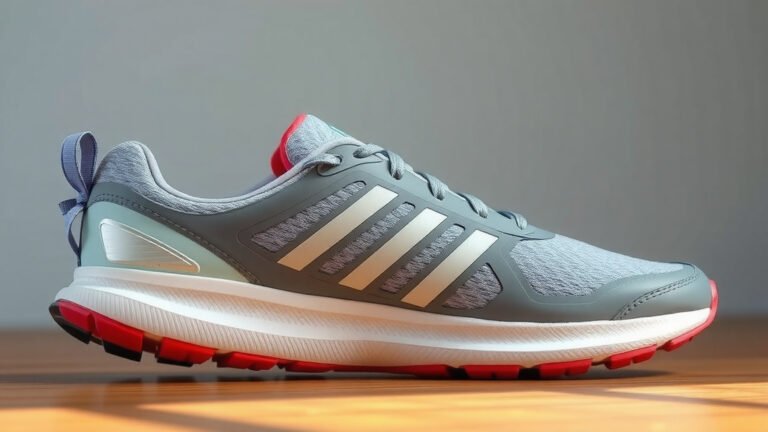
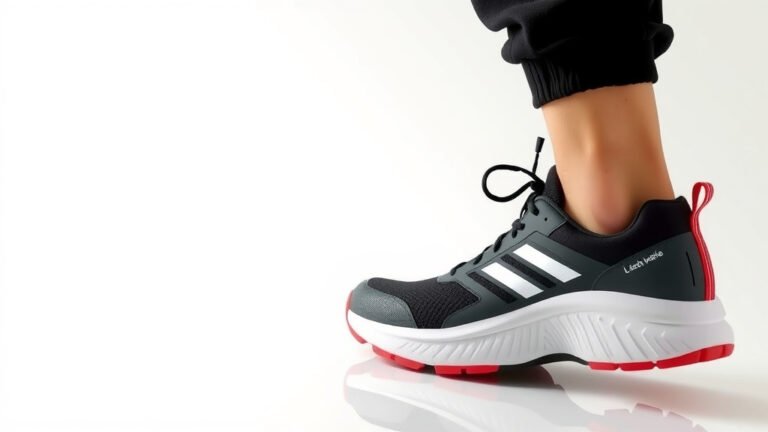
Zero drop shoes have no difference in height between the heel and the toe. This can change how your foot strikes the ground. Many experts suggest it encourages a more natural stride. However, a sudden switch can lead to discomfort if you’re not careful.
- Start slow with short walks or runs.
- Focus on your running form.
- Listen to your body for any pain.
- Gradually increase your mileage.
- Strengthen your calf and foot muscles.
Ready to give them a try? Let’s walk through exactly how to make the switch safely so you can enjoy your runs.
Making the Switch to Zero Drop Running Shoes
Transitioning to zero drop running shoes can feel like a big change. Your body has likely adapted to the heel-to-toe drop of your previous shoes. It’s important to approach this new footwear with patience and awareness. Think of it like learning to walk again, but for your feet.
Understanding the Zero Drop Difference
So, what exactly is zero drop? It means there’s no height difference between the heel and the toe of the shoe. Your foot sits perfectly flat. This position can encourage a more natural foot strike. Many runners report feeling more connected to the ground. This can lead to better proprioception, which is your body’s awareness of its position in space (National Institutes of Health).
Traditional shoes often have a heel-to-toe drop of 4mm to 12mm or more. This drop can create a slight forward tilt. When you switch to zero drop, your body’s mechanics will naturally adjust. Your Achilles tendon and calf muscles will likely feel this change first. They’ll need time to get stronger and more flexible.
Your Gradual Transition Plan
Jumping straight into long runs in zero drop shoes is a recipe for potential soreness. We recommend a step-by-step approach. Start with short bursts of activity. This allows your feet and lower legs to begin adapting without overwhelming them.
Phase 1: Walking and Short Errands
Begin by wearing your zero drop shoes for everyday activities. Think about your daily walks or when you’re just running errands. Wear them for an hour or two at a time. This gets your feet used to the flat feeling. Your body will start to adjust to the new foot positioning.
Phase 2: Introducing Short Runs
Once walking feels comfortable, introduce very short runs. Aim for just 1-2 miles, or even less. Focus on how your feet feel during and after the run. If you notice any sharp pain, stop. It’s a sign you might be pushing too fast.
Phase 3: Gradually Increasing Mileage
As your body gets accustomed to the shorter runs, you can slowly increase your distance. A common guideline is to add no more than 10% to your weekly mileage. This applies whether you’re in traditional shoes or zero drop ones. This slow and steady increase is key to avoiding injury (Cleveland Clinic).
Focusing on Your Running Form
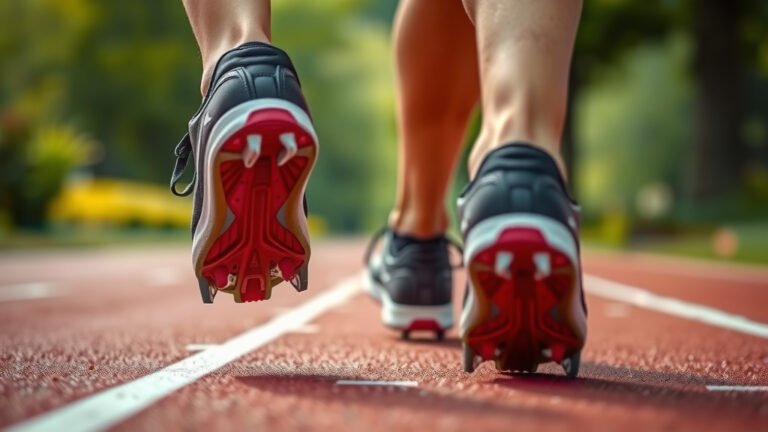
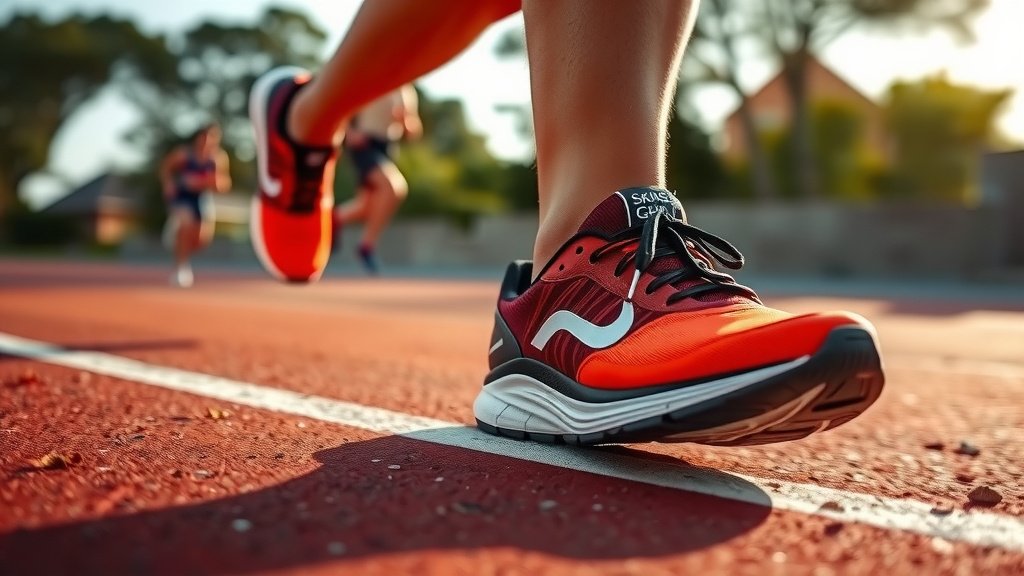
Zero drop shoes can influence your running form. They often encourage a more midfoot or forefoot strike. This means you’ll land more on the middle or front of your foot, rather than a hard heel strike. This can reduce the impact on your joints.
The Importance of a Midfoot Strike
A midfoot strike distributes your body weight more evenly. It’s less jarring than a heel strike. Imagine landing softly like a cat. This efficient landing can help protect your knees and hips. It uses your natural biomechanics more effectively.
Cadence and Posture
Consider your cadence, which is the number of steps you take per minute. A higher cadence, often around 170-180 steps per minute, can be beneficial. It helps shorten your stride and encourages landing beneath your body. Also, focus on maintaining good posture. Keep your chest up and shoulders relaxed.
Strength Training for Zero Drop Runners
Building strength in your feet and calves is essential. These muscles do more work in zero drop shoes. They act as shock absorbers and stabilizers. Strengthening them will help prevent common injuries like calf strains or Achilles tendonitis.
Calf Raises
Stand with your feet flat on the floor. Slowly rise up onto the balls of your feet, lifting your heels. Hold for a second, then slowly lower. You can do this on a flat surface or with the balls of your feet on a slight elevation for a deeper stretch. Start with 2-3 sets of 15-20 repetitions. You can progress to single-leg calf raises as you get stronger.
Toe Curls and Ball Grips
Sit in a chair with your feet flat on the floor. Place a small towel on the floor in front of you. Use your toes to scrunch the towel towards you. This helps strengthen the muscles on the underside of your foot. You can also try picking up small objects like marbles with your toes. These simple exercises can make a big difference in foot strength and stability.
Listening to Your Body: The Golden Rule
This might be the most important advice we can give you. Pay attention to any signals your body sends. A little bit of muscle soreness as your body adjusts is normal. However, sharp, persistent, or radiating pain is not. It’s your body telling you to slow down or take a break.
Don’t feel pressured to keep going if something hurts. It’s better to miss a single run than to be sidelined for weeks with an injury. Remember, everyone’s body is different. What works for one runner might not work for another. Be patient with yourself throughout this process.
Your Zero Drop Transition Checklist
Here’s a quick checklist to help you stay on track:
- Start wearing zero drop shoes for short walks.
- Begin with very short runs (1-2 miles).
- Gradually increase your running mileage by no more than 10% weekly.
- Focus on a midfoot strike and good posture.
- Incorporate calf and foot strengthening exercises.
- Rest and recover when your body signals it needs to.
Common Adjustments You Might Notice
As you transition, you might notice a few things. Your calves may feel tighter. This is because they are working harder. You might also feel more sensation in your feet. This can be a good thing, as it increases your awareness.
Some runners find they naturally increase their stride cadence. This is often a positive adaptation. It helps reduce the load on your joints. If you feel achy, it’s usually a sign of adaptation, not necessarily a problem. However, as mentioned, always differentiate between normal muscle fatigue and actual pain.
When to Seek Professional Advice
If you experience persistent pain or have concerns about your form, don’t hesitate to consult a professional. A physical therapist or a running coach who understands biomechanics can offer personalized guidance. They can help identify any underlying issues and provide specific exercises or form corrections. They can ensure your transition is as safe and effective as possible.
Conclusion
Transitioning to zero drop running shoes can feel like a big change, but it’s absolutely manageable with the right approach. Remember, patience and gradual progression are your best friends here. By slowly introducing these shoes, focusing on your form, and strengthening your lower legs, you’re setting yourself up for success. Listen to your body throughout this process – it’s the most important guide. Start incorporating these tips today, and you’ll be enjoying your runs in zero drop shoes safely and comfortably before you know it!
Frequently Asked Questions
How long does it typically take to get used to zero drop shoes?
The transition time varies for everyone, but many runners find it takes anywhere from a few weeks to a couple of months. It depends on your previous footwear, running frequency, and how diligently you follow a gradual transition plan. Be patient with your body’s adaptation process.
Can I wear zero drop shoes for walking and everyday activities first?
Absolutely! This is a highly recommended first step. Wearing zero drop shoes for daily walks and errands helps your feet and lower legs get accustomed to the flatter feel. It’s a low-impact way to begin adapting before you even start running in them.
What if my calves feel really sore in zero drop shoes?
Some calf soreness is normal as they adapt to the new mechanics. However, if the soreness is intense or persistent, it’s a sign to slow down. Ensure you’re doing calf-strengthening exercises and consider wearing your zero drop shoes for shorter durations.
Should I expect to change my running form significantly?
Yes, you likely will. Zero drop shoes often encourage a more natural midfoot or forefoot strike, reducing heel striking. Focus on landing softly beneath your body rather than actively trying to force a change. Your form may evolve naturally over time.
When should I consider seeing a professional about my zero drop transition?
You should seek professional advice if you experience sharp, persistent, or radiating pain that doesn’t subside with rest. A physical therapist or running coach specializing in biomechanics can assess your form and provide personalized guidance to prevent injury.