Foot Strike Pattern Guide: Optimize Your Running Form
Your foot strike pattern is about how your foot lands when you run. The most common patterns are heel striking and midfoot/forefoot striking. Many runners benefit from a midfoot or forefoot strike for reduced impact.
Understanding your foot strike can help improve your running form and potentially reduce injuries. It’s a key part of how your body absorbs shock and propels you forward. We’ve looked into what works best for runners.
- Heel strike: Landing on your heel first.
- Midfoot strike: Landing on the middle of your foot.
- Forefoot strike: Landing on the ball of your foot.
- Changing your strike can take time and practice.
- Focus on a softer landing to help your body.
Let’s break down each foot strike pattern and what it means for your running.
“`htmlUnderstanding Your Running Foot Strike
So, you’re curious about how your foot hits the ground when you run? That’s a smart place to focus your attention. Your foot strike pattern is a big piece of the running puzzle. It’s not just about where your foot lands, but how your body absorbs and uses that impact. Our guide explains how your foot strike pattern affects your running shoe choice.
For years, the common wisdom for many runners was to land on their heel. But as we’ve learned more, a different picture is emerging. Many experts and studies now suggest that changing your strike can offer some real benefits for your body. Let’s dive into what those different patterns look like.
Breaking Down the Foot Strike Patterns
The Heel Strike: A Common Landing
This is perhaps the most familiar way to land. You’re likely a heel striker if your heel is the first part of your foot to touch the ground when you run. Think of it like a braking motion. When your heel hits first, your leg is usually straight or almost straight.
This can lead to a higher impact force traveling up your leg. It’s like hitting the brakes hard with each step. Some research has shown that heel striking can contribute to certain types of injuries because of this shock absorption pattern. Your body has to work harder to manage the force. This is why many coaches and physiotherapists look closely at this pattern.
The Midfoot Strike: Finding the Middle Ground
With a midfoot strike, your foot lands more flatly on the ground. Instead of just the heel, the middle part of your foot contacts the surface first. It’s a more balanced landing. Your leg is also typically bent when you strike the ground.
This pattern often leads to a softer impact. Your body can absorb the shock more efficiently through your foot and ankle. Many runners find this feels more natural and less jarring than a heavy heel strike. It’s like your foot is ready to spring forward immediately.
The Forefoot Strike: Landing on the Ball
This pattern involves landing on the ball of your foot, right behind your toes. It’s a very springy landing. You might hear a distinct “tap, tap” sound when you run this way. Your ankle and calf muscles play a bigger role in absorbing shock.
Forefoot striking can be very efficient for speed and propulsion. However, it can also place more demand on your calf muscles and Achilles tendon. Some runners find this can lead to different kinds of strain if they aren’t used to it. Your body needs to be conditioned for this type of landing.
Why Your Foot Strike Matters for Runners
Impact and Shock Absorption
The primary reason foot strike is discussed is its effect on impact forces. When your heel strikes first, the shock travels directly up your tibia. This is similar to hitting a hard surface with a rigid object. Your bones and joints have to absorb a lot of this force.
A midfoot or forefoot strike allows your foot and ankle to act more like natural shock absorbers. They can bend and flex to cushion the landing. This can potentially reduce stress on your knees, hips, and back. Many studies suggest this can be a key factor in injury prevention (NCBI).
Running Efficiency and Speed
Your foot strike can also influence how efficiently you run. Landing too far back on your heel can sometimes feel like you’re overstriding. This means your foot is landing in front of your center of gravity, which can act like a brake. It requires more energy to move forward.
Forefoot and midfoot strikes tend to land closer to your body’s center. This allows for a more direct transfer of energy from your landing to your next push-off. Many sprinters use a forefoot strike because it’s excellent for quick acceleration and power.
Transitioning to a Different Foot Strike
Is a Change Necessary?
It’s important to know that there’s no single “perfect” foot strike for every runner. Many people run perfectly healthy lives as heel strikers. However, if you’re experiencing persistent injuries or discomfort, exploring a change might be beneficial.
We found that for runners experiencing issues like shin splints or knee pain, a softer landing can make a difference. The goal isn’t necessarily to force a specific strike, but to encourage a softer, more efficient landing. Sometimes, this naturally leads to a midfoot strike.
How to Make the Change Safely
Making a significant change to your running form takes time and patience. It’s not something you should force overnight. Your body needs time to adapt and build strength in new ways.
- Start Gradually: Try incorporating a few minutes of focused landing form into each run.
- Focus on Cadence: Increasing your steps per minute slightly can help you land more under your body.
- Listen to Your Body: Pay attention to any new aches or pains. If something hurts, back off.
- Run Softly: Imagine you’re trying not to wake someone up with your footsteps.
Common Pitfalls to Avoid
One of the biggest mistakes people make is trying to dramatically change their strike pattern all at once. This can lead to strains in your calves or feet because those muscles aren’t used to the new demands.
Another error is focusing too much on the “how” and not enough on the “why.” The goal is often reduced impact and better efficiency, not just landing on your toes. Think about landing lightly and quickly. Many sources suggest a faster cadence can naturally help shift your landing.
| Pattern | Landing Point | Pros | Cons |
|---|---|---|---|
| Heel Strike | Heel first | Natural for many, requires less initial effort | Higher impact, potential for braking effect, can strain joints |
| Midfoot Strike | Middle of foot | Softer landing, better shock absorption, good efficiency | May require some adaptation, calf/foot strength needed |
| Forefoot Strike | Ball of foot | Very efficient for speed, powerful push-off | High demand on calves and Achilles, can lead to strain if not conditioned |
A Checklist for a Better Landing
Ready to think about your own running form? Here’s a quick checklist to help you focus on a smoother landing.
- Notice your landing: Pay attention to where your foot touches the ground.
- Feel the impact: Is it a hard thud or a softer sound?
- Land under your body: Try to land with your foot closer to beneath you.
- Keep your knees slightly bent: This helps absorb shock.
- Think light steps: Imagine running quietly.
- Increase cadence slightly: Aim for quicker, shorter strides.
Conclusion
Understanding your foot strike pattern is a key step toward a more comfortable and efficient run. We’ve seen that while heel striking is common, a midfoot or forefoot strike can often lead to reduced impact and better shock absorption. If you’re experiencing pain or want to optimize your form, consider making small, gradual adjustments.
The goal is a lighter, softer landing, not a drastic overnight change. Start by being mindful of how you land and practice a slightly quicker cadence. Listen to your body throughout the process, and you’ll be on your way to a better running experience.
Frequently Asked Questions
Can I tell my foot strike pattern just by looking at my shoes?
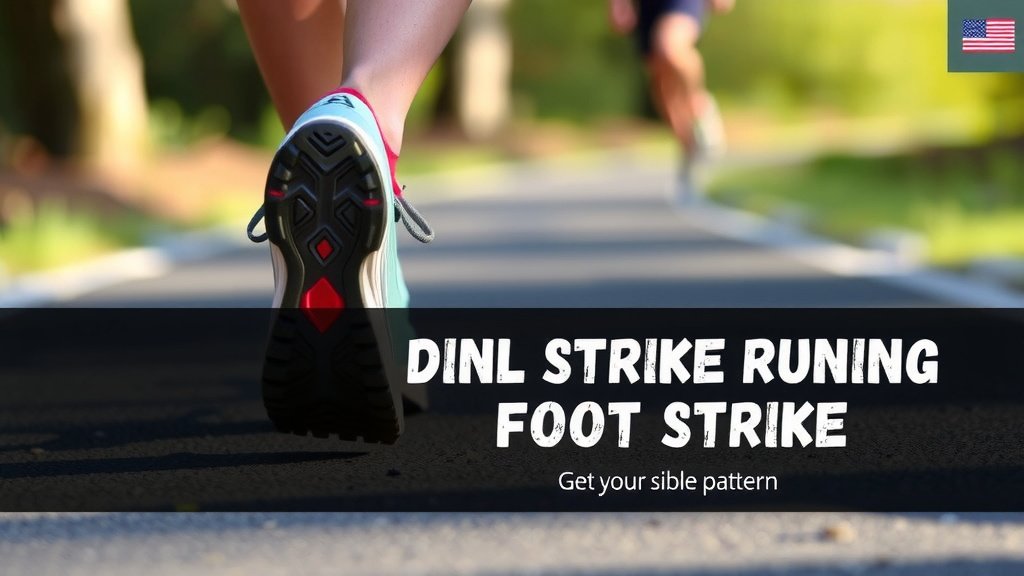
Yes, sometimes you can get a clue. Look at the wear pattern on the sole of your running shoes. If the heel is heavily worn, you’re likely a heel striker. Excessive wear on the forefoot suggests a forefoot strike pattern, and more even wear might indicate a midfoot strike.
Is it bad if I’m a heel striker?
Not necessarily. Many people run healthy lives as heel strikers. However, research suggests that heel striking can sometimes lead to higher impact forces traveling up your leg. If you experience pain or discomfort, exploring other patterns might be beneficial for you.
How long does it take to change my foot strike pattern?
Changing your foot strike pattern is a gradual process that can take weeks or even months. Your body needs time to build strength and adapt to new mechanics. It’s best to make small adjustments over time rather than forcing a quick change, which could lead to injury.
What’s the best way to practice landing softer?
Try to imagine you’re running very quietly, perhaps like you’re trying not to wake someone up. Focus on quick, light steps rather than long, bounding strides. Many runners find that increasing their cadence slightly, even by just a few steps per minute, helps them land more softly and under their body.
Will changing my foot strike automatically fix my running injuries?
While changing your foot strike can help reduce certain types of impact and may alleviate some injuries like shin splints or knee pain, it’s not a guaranteed fix for all problems. Running form is complex, and injuries can have multiple causes. It’s always a good idea to consult with a physical therapist or running coach if you have persistent pain.