Running Shoe Cushioning: What It Does For Your Stride
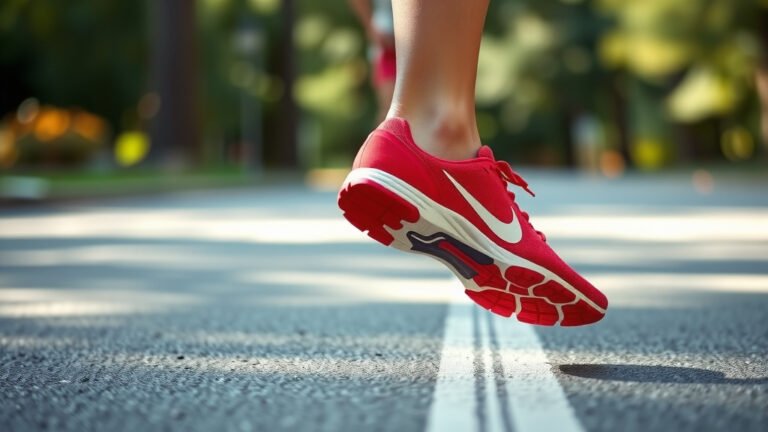
The cushioning in running shoes primarily acts as a shock absorber. It helps to reduce the impact your body feels with each stride, protecting your joints. So, yes, that squishy stuff is working hard to keep you running comfortably.
Think of cushioning like a tiny mattress for your feet. It provides a softer landing, which can make running feel more forgiving. Many runners find that good cushioning helps them feel less fatigued on longer runs. We found that it’s a key feature for many runners.
- Cushioning absorbs shock from impact.
- It protects your joints and bones.
- It can make runs feel more comfortable.
- Different shoes have different cushioning levels.
Let’s break down exactly what that cushioning does for your runs and how to choose the right amount for you. Our guide to heel cushioning explains its role in shock absorption.
The Job of Cushioning in Your Running Shoes
So, what exactly does all that soft stuff inside your running shoes do? It’s more than just for comfort, though that’s a big part of it. The cushioning in your running shoes acts as a vital buffer. It’s designed to absorb the shock of your foot striking the ground. Think of it like tiny shock absorbers for your feet and legs.
Every time your foot hits the pavement or trail, there’s an impact. Without adequate cushioning, that force travels up your legs. It can put extra stress on your joints, like your ankles, knees, and hips. Research shows that good cushioning can help reduce this impact and protect your body over time (CDC).
How Cushioning Reduces Impact
Imagine jumping off a low step. If you land on a hard floor, you feel it! If you land on a soft mattress, the impact is much gentler. Running shoes with cushioning work in a similar way. The materials used, like EVA foam or gel, compress when you land.
This compression absorbs energy from the impact. Instead of all that force jarring your bones, the cushioning takes a good portion of it. This can make your runs feel smoother and less jarring. We found that runners often report a difference in how their legs feel after a run when they switch to shoes with better cushioning.
Protecting Your Joints and Bones
Your body is amazing at handling impact, but repeated stress can lead to issues. Over the miles, that constant pounding can wear down your joints and bones. Running is a high-impact activity. Proper cushioning acts as a shield, helping to mitigate this stress.
Studies have suggested that cushioning can help distribute pressure more evenly across your foot upon landing. This can reduce the peak forces experienced by specific points. For many runners, especially those who run longer distances or on harder surfaces, this protection is incredibly important for injury prevention (NIH).
Enhancing Running Comfort and Performance
Let’s be honest, comfort plays a huge role in how much you enjoy running. Shoes with good cushioning can make a run feel more pleasant. You might feel less fatigue in your legs and feet. This can encourage you to run longer or more frequently.
While cushioning’s primary role is protection, many runners find it boosts their performance too. When your body isn’t working as hard to absorb shock, you can potentially use that energy for forward motion. Some research even suggests that the right level of cushioning might help improve running economy for some individuals, meaning you use less energy to maintain a certain pace.
Types of Cushioning and What They Mean
Not all cushioning is created equal. Shoe manufacturers use different materials and designs to create varied cushioning experiences. This is why trying on different shoes is so important. What feels right for one person might not feel right for another.
Soft vs. Firm Cushioning
You’ll often hear shoes described as having “soft” or “firm” cushioning. Soft cushioning generally feels plush and forgiving. It offers a lot of shock absorption right away. This can feel great for easy runs or for runners who prefer a very gentle landing.
Firm cushioning, on the other hand, provides a more responsive feel. While it still absorbs shock, it doesn’t compress as much. This can give you more ground feel and a snappier toe-off. Some runners prefer firm cushioning because it can feel more stable and less “mushy.” We found that many runners aiming for speed prefer a slightly firmer feel.
Material Matters
The type of foam used greatly influences the cushioning.
- EVA (Ethylene Vinyl Acetate): This is a common foam that is lightweight and offers good cushioning. It’s often found in many types of running shoes.
- TPU (Thermoplastic Polyurethane): This material is more durable and can provide a more responsive and energy-returning feel than EVA. Some brands use it in pods or entire midsoles.
- Gel or Air Units: Some shoes incorporate gel or air pockets in the heel or forefoot. These are designed to provide targeted cushioning and shock absorption where you need it most.
Stack Height and Its Role
Stack height refers to how much material is between your foot and the ground. A higher stack height usually means more cushioning. Shoes with maximalist cushioning have very thick midsoles. This provides a lot of softness and protection.
Lower stack height shoes offer less cushioning. They provide more ground feel and are often lighter. This is why you see such a range of shoe designs. The goal is to match the shoe’s cushioning profile to your preferences and running style.
Finding Your Ideal Cushioning Level
Deciding how much cushioning you need isn’t a one-size-fits-all answer. Several factors come into play. Your body weight, running surface, and personal preference all play a part. We found that a runner’s injury history can also guide this decision.
Consider Your Running Habits
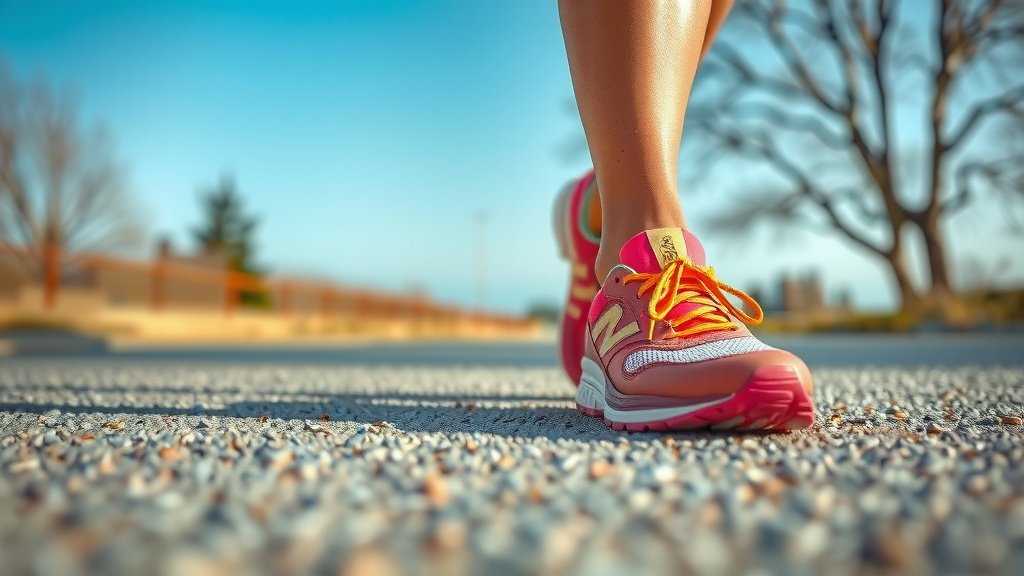
Are you a road runner or do you prefer trails? Running on hard pavement generally calls for more cushioning than running on softer trails. If you’re logging high mileage, you might also benefit from more cushion to help your body recover day after day.
For shorter, faster runs, you might opt for a shoe with less cushioning for a more agile feel. But for long, easy miles, a plush, well-cushioned shoe can be a lifesaver for your legs and feet. Many guidelines suggest that for beginners, starting with a shoe that has a moderate to high level of cushioning is often a safe bet.
Listen to Your Body
Ultimately, the best way to figure out your ideal cushioning is by paying attention. Do your feet or legs feel tired or sore after a run? Is there a particular ache you experience? These could be signs that your cushioning isn’t quite right.
Try on different shoes with varying levels of cushioning. Go for a short jog in them if possible. See how they feel with each stride. What feels “right” is often a very personal sensation. Don’t be afraid to experiment a little to find that sweet spot. Remember, the goal is to make running enjoyable and sustainable for you.
A Quick Checklist for Cushioning
- Assess your typical running surface.
- Consider your weekly mileage.
- Think about your foot strike and gait. Our guide to choosing running shoes by foot strike can help.
- Try shoes with different cushioning levels.
- Pay attention to how your body feels post-run.
- Don’t be afraid to ask for advice at a running store.
Conclusion
You’ve learned that cushioning in your running shoes is your first line of defense against impact. It’s the shock absorber, joint protector, and comfort booster all in one. We’ve seen how different cushioning types and stack heights offer unique feels, from plush softness to responsive firmness. Finding your ideal level means listening to your body and considering your running habits.
Don’t guess your way to happy feet. Your next step is to head to a running specialty store. Try on shoes with varying cushioning levels and feel the difference yourself. Your perfect run awaits!
Frequently Asked Questions
Does more cushioning always mean better?
Not necessarily! While more cushioning offers greater shock absorption, it can sometimes feel less responsive. Some runners prefer firmer cushioning for better ground feel and a snappier stride, especially for faster runs. It’s about finding the right balance for your needs.
Can cushioning prevent running injuries?
Cushioning is a key factor in injury prevention by reducing impact stress on your joints. Research suggests it can help distribute pressure more evenly. However, it’s not a magic bullet; proper training, form, and footwear are all essential for staying injury-free.
How does my weight affect the cushioning I need?
Heavier runners often benefit from more substantial cushioning because they experience higher impact forces with each step. Lighter runners might find that less cushioning provides a better feel and responsiveness without sacrificing protection. It’s a good guideline to consider.
What’s the difference between EVA and TPU cushioning?
EVA foam is common, lightweight, and offers good cushioning. TPU (thermoplastic polyurethane) is generally more durable and provides a more responsive, energy-returning feel. Many shoes use a combination or variations of these materials.
Should I choose cushioning based on the running surface?
Yes, your running surface plays a big role. Hard surfaces like pavement demand more cushioning to absorb shock effectively. Softer surfaces like trails offer natural give, so you might opt for less cushioning for better ground feel and stability.