What is a Firm Running Shoe: Your Definitive Guide
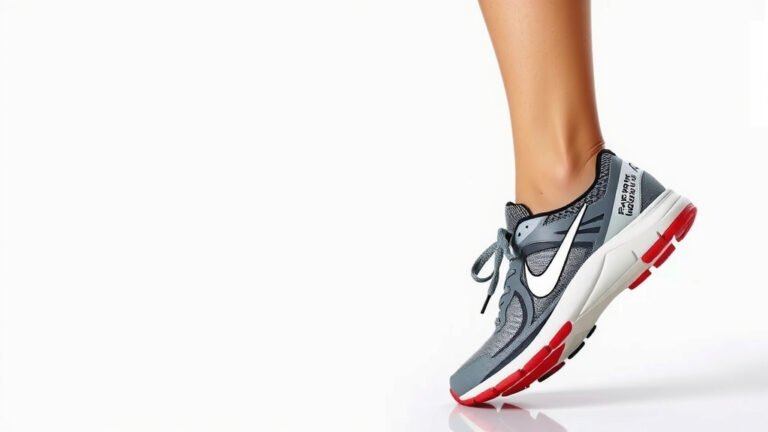
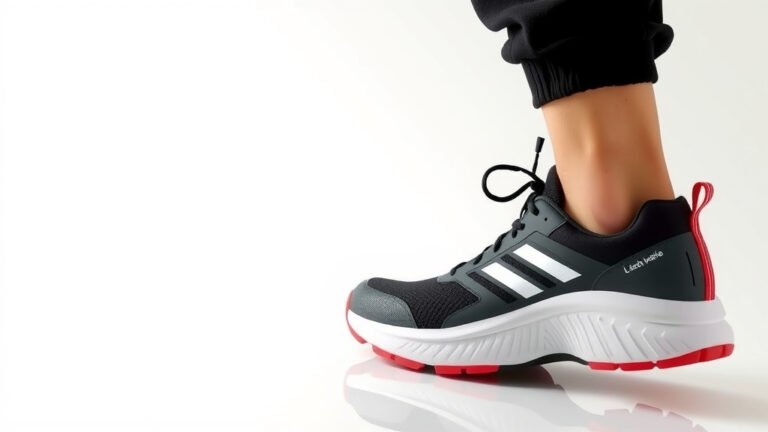
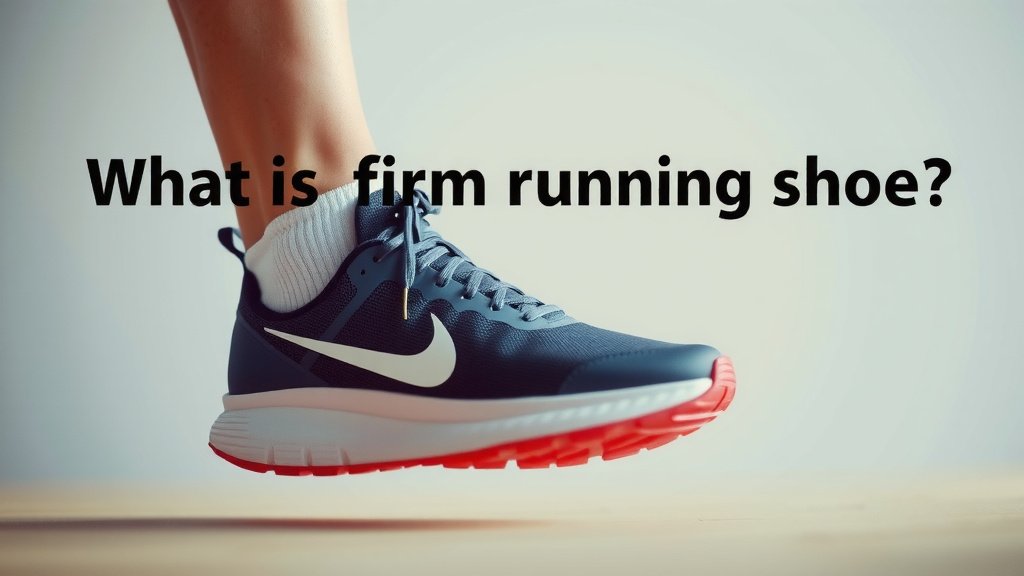
A firm running shoe is designed to offer minimal cushioning and a direct feel for the ground. You get less shock absorption, which many runners find helps them feel faster and more connected to their stride. Think of them as the minimalist cousin in the running shoe family, prioritizing responsiveness over plush comfort. They are great for runners seeking a more natural running experience. If you’re seeking a more natural running experience, our guide on choosing running shoes by foot strike can help.
These shoes often feature a lower heel-to-toe drop, encouraging a midfoot or forefoot strike. They are typically lightweight and flexible, allowing your foot to move more naturally. While not for everyone, they can be a fantastic choice for experienced runners or those looking to build foot strength. Many runners turn to them for speed work or race days.
- Firm running shoes have minimal cushioning.
- They provide a direct feel for the ground.
- They often have a lower heel-to-toe drop.
- They can help runners feel faster and more connected.
- Best for experienced runners or those building foot strength.
Ready to understand if a firm running shoe is right for your feet and running goals? Let’s dive into what makes them tick and who they’re best suited for.
Understanding Firm Running Shoes
So, what exactly makes a running shoe “firm”? It’s all about what’s inside the shoe’s sole. A firm shoe uses less soft material, like foam, in its midsole. This means it doesn’t compress as much when your foot hits the ground. Think of it like walking on a firm mattress versus a soft, squishy one. You feel the surface beneath you more directly.
What’s Inside: The Midsole Matters Most
The midsole is the part of the shoe that sits between the outsole (the bottom rubber tread) and the upper (where your foot goes). In firm running shoes, this midsole material is denser. It offers less “give” or shock absorption. This design choice is intentional. It helps runners feel more in control of their stride.
We found that many firm shoes use materials like firmer EVA foam or even some carbon fiber plates. These materials resist compression. They return energy more efficiently. This can make your foot strike feel quicker and more responsive. It’s like the shoe is giving a little “push” back with each step.
Key Features of Firm Running Shoes
Beyond the midsole, several other design elements contribute to a shoe’s firmness. These aren’t hard and fast rules, but they are common characteristics you’ll notice. When you’re shopping, keep an eye out for these. They can help you identify a shoe that fits your preferences.
Minimal Cushioning
This is the most defining feature. You won’t find thick layers of soft foam here. The goal isn’t to make your foot feel like it’s floating. Instead, it’s to provide a stable platform. You still get some padding, of course. But it’s tuned to be less plush and more supportive. Many runners who prefer this feel report less “mushiness” underfoot.
Lower Heel-to-Toe Drop
The heel-to-toe drop is the difference in height between the heel and the forefoot of the shoe. Firm shoes often have a drop of 4mm or less. Some even have a “zero-drop” design, where the heel and forefoot are at the same level. This lower profile encourages your foot to land more naturally. It often leads to a midfoot or forefoot strike. This can reduce stress on your knees and ankles. Research from institutions like the American Podiatric Medical Association suggests lower drop shoes can promote a more natural gait.
Direct Ground Feel
Because there’s less cushioning to absorb sensations, you’ll feel the ground more keenly. This isn’t a bad thing for many runners. It allows you to better sense the terrain and adjust your foot placement. It’s like having better “traction” with the earth. This connection can improve your proprioception, which is your body’s awareness of its position in space.
Lightweight and Flexible
Firm shoes tend to be lighter than their maximally cushioned counterparts. Less material means less weight. They are also often more flexible. This allows your foot to move more freely. You can bend and twist your foot more easily. This natural movement is key for many runners seeking a minimalist feel.
Who Benefits Most from Firm Running Shoes?
While firm shoes offer unique advantages, they aren’t the best fit for every runner. Your personal preferences, running style, and goals play a big role. Let’s look at who often finds success with this type of shoe.
Experienced Runners Seeking Responsiveness
Runners who have been at it for a while often develop a strong foot strike. They might find that highly cushioned shoes feel slow or even sluggish. A firm shoe gives them the responsiveness they crave. It allows them to feel the road and react quickly. This is especially true for runners focused on speed work or racing.
Runners Focused on Natural Foot Movement
If you’re interested in a more “barefoot” or natural running experience, firm shoes can be a great stepping stone. The lower drop and less cushioning encourage your foot to work more. This can help strengthen the muscles in your feet and lower legs. Many experts, including biomechanics researchers, suggest that strengthening these intrinsic foot muscles can lead to better long-term foot health (NIH study, 2019).
Runners Who Prefer a Direct Connection
Some runners simply enjoy feeling the ground beneath them. They like the tactile feedback that comes with less cushioning. This direct connection can make them feel more agile and in tune with their surroundings. It’s a preference, much like choosing a firm mattress over a soft one.
Considerations for Different Foot Strikes
While firm shoes often promote a forefoot or midfoot strike, this doesn’t mean heel strikers can’t use them. However, if you are a very heavy heel striker, you might find the lack of cushioning less forgiving. It’s always wise to listen to your body. If you experience discomfort, it might be a sign that the shoe isn’t the right match for your biomechanics.
When Might a Firm Shoe Not Be the Best Choice?
It’s important to be realistic about the limitations of firm running shoes. They serve a specific purpose, and for some runners, other shoe types might be more suitable. Understanding these trade-offs is key to making an informed decision.
Beginners or Those New to Running
If you’re just starting out, your body might not yet be accustomed to the demands of running. Highly cushioned shoes offer more protection and can ease you into the sport. They absorb more impact, which can prevent early injuries. We found that beginners often benefit from the extra buffer that softer shoes provide.
Runners Experiencing Joint Pain
If you frequently deal with joint pain, especially in your knees, hips, or ankles, a shoe with more cushioning might offer much-needed relief. The shock absorption in softer shoes can reduce the stress on these joints. This can make your runs more comfortable. The Cleveland Clinic notes that cushioning can be beneficial for runners experiencing impact-related pain.
Long-Distance, Slow-Paced Runs
For very long runs at a more relaxed pace, some runners find that plush cushioning is more enjoyable. It can help reduce fatigue over many miles. While firm shoes can be used for long distances, they often require more foot strength and might feel less comfortable for some on very extended efforts.
Weighing Your Options: A Quick Checklist
To help you decide if a firm running shoe aligns with your running goals, consider this quick checklist:
- Do you prefer feeling the ground more directly?
- Are you an experienced runner looking for speed and responsiveness?
- Do you want to strengthen your feet and improve natural movement?
- Do you typically land on your midfoot or forefoot?
- Do you find very soft, “mushy” shoes uncomfortable or unstable?
- Are you comfortable with less impact absorption?
Firmness vs. Support: What’s the Difference?
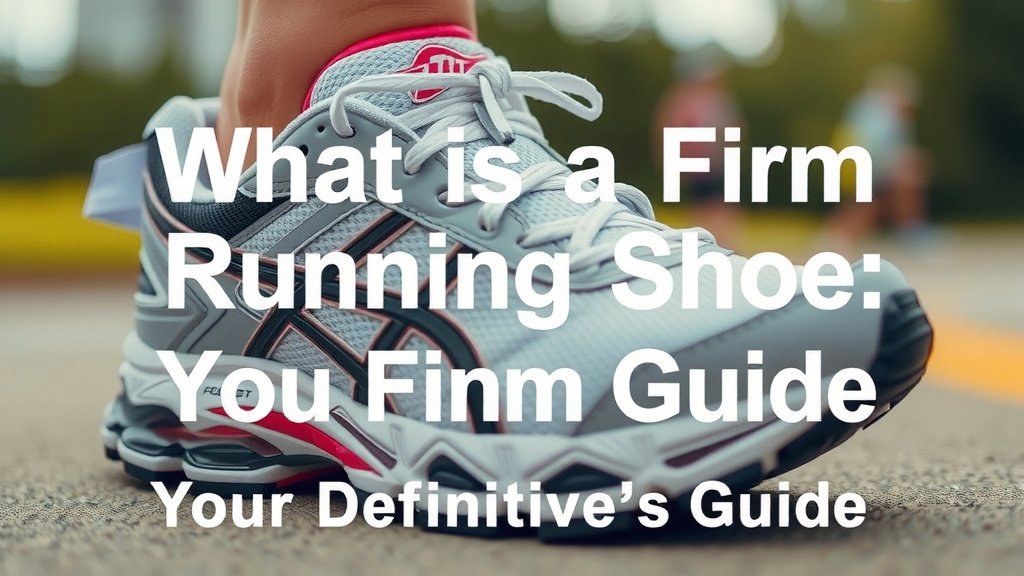
It’s easy to confuse “firm” with “supportive.” While they can overlap, they aren’t the same thing. A shoe can be firm but not offer much stability for overpronation, for example. Conversely, a supportive shoe might still have a good amount of cushioning.
Firmness: The Feel Underfoot
As we’ve discussed, firmness relates to how much the midsole compresses. A firm shoe feels solid and responsive. It provides less of a “sinking” feeling.
Support: How the Shoe Guides Your Foot
Support in running shoes typically refers to features that help control excessive foot motion. This is especially important for runners who overpronate, meaning their foot rolls inward too much. These shoes often have denser foam on the inside edge of the midsole or other stability elements. They aim to gently guide your foot into a more neutral path. You can find firm shoes that are also supportive, but it’s not an automatic connection.
Understanding the distinction helps you choose a shoe that not only feels good but also meets your biomechanical needs. If you need stability, look for those features specifically, regardless of the shoe’s overall firmness.
Conclusion
You’ve learned that firm running shoes offer a less cushioned, more direct feel. They can be ideal for experienced runners seeking speed and a connection to the ground. Their lower drop and lighter build encourage natural foot movement. If you’re looking to strengthen your feet or race faster, a firm shoe might be your next best pick. Before you buy, consider your running experience and comfort needs. Try them on to see if that responsive feel works for your stride.
Frequently Asked Questions
Are firm running shoes bad for your knees?
Firm running shoes aren’t inherently bad for your knees. They may reduce impact on your knees if they encourage a midfoot or forefoot strike. However, if you’re a heavy heel striker or have existing knee pain, the reduced cushioning might feel less forgiving.
Can beginners wear firm running shoes?
Generally, beginners are advised to start with shoes offering more cushioning. Your body needs time to adapt to the impact of running. Highly cushioned shoes provide a buffer that can help prevent injuries as you build strength and endurance.
How do I know if I need a firm shoe?
You might prefer a firm shoe if you enjoy feeling the ground, want a more responsive ride, or aim to strengthen your feet. If softer, plush shoes feel unstable or “mushy” to you, a firmer option could be a better fit.
How often should I replace firm running shoes?
Like all running shoes, firm shoes wear out over time. We recommend replacing them every 300-500 miles. You might notice reduced responsiveness or a less direct ground feel when they’re ready for replacement.
Can firm shoes help with foot strength?
Yes, firm running shoes can help build foot strength. Their minimal cushioning and often lower drop encourage your foot muscles to work harder with each stride. This engagement can lead to stronger feet and lower legs over time.