Understanding the Roman Foot Shape: A 2026 Guide
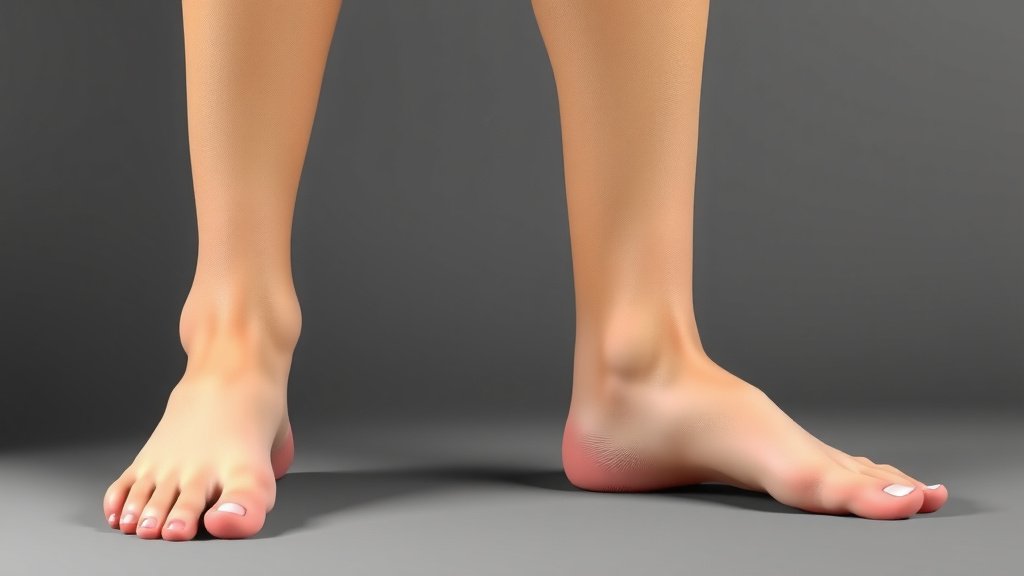
A Roman foot shape is identified when your second toe is longer than your big toe. This foot type is also known as “flame foot” or “morton’s toe.” It’s a common and perfectly normal foot shape for many people.
If you have a Roman foot, your feet have a distinct look. The toes typically align in descending order of length from the big toe. This unique toe alignment can influence your shoe choices and how you walk.
- A Roman foot has a longer second toe.
- It’s also called “flame foot” or “morton’s toe.”
- This is a very common and natural foot type.
- Your toe alignment is distinct and can affect footwear.
We’ll walk you through what a Roman foot shape means for you, from choosing the right shoes to understanding any potential impacts.
Understanding Your Roman Foot Shape
So, you’ve discovered your second toe is the longest, with the others stepping down in length. That’s the hallmark of a Roman foot shape, also called a “flame foot” or “Morton’s toe.” It’s one of the most common foot types out there, right alongside the Greek foot (second toe longer than the big toe) and the Egyptian foot (big toe longest). You’re in good company with this particular toe arrangement!
What Makes a Roman Foot Distinct?
The defining characteristic is that unmistakable longer second toe. It’s like the star of your foot’s show, standing a bit taller than your big toe. Your toes generally arrange themselves in a descending order from there, creating a gentle slope. This isn’t a sign of anything wrong; it’s just how your feet are beautifully designed.
The “Morton’s Toe” Connection
You might hear this foot shape referred to as “Morton’s toe.” This name comes from Dudley J. Morton, an orthopedic surgeon who studied foot structure. He noted that this particular toe alignment could sometimes be linked to certain biomechanical issues. However, it’s important to remember that having a Morton’s toe doesn’t automatically mean you’ll experience problems. For many, it’s just a normal variation.
Comparing Foot Shapes: A Quick Look
Let’s put your Roman foot into context. Understanding the differences can help you appreciate your own unique feet.
| Foot Shape | Key Feature |
|---|---|
| Roman Foot (Flame Foot) | Second toe is the longest. |
| Greek Foot (Mortar Foot) | Second toe is longer than the big toe. |
| Egyptian Foot (Peasant Foot) | Big toe is the longest, with others sloping down. |
| Square Foot (T Common Foot) | First four toes are roughly the same length. |
Do You Need Special Shoes for a Roman Foot?
This is a question many people with Roman feet ponder. The answer is usually no, you don’t *need* entirely different shoes. Most standard shoe widths will work just fine. However, you might find certain styles feel a bit more comfortable or look better with your toe alignment.
Finding the Right Fit
Because your second toe is the longest, you want to make sure there’s enough space in the toe box. You don’t want your longest toe pressing against the end of the shoe. This is true for any foot shape, but it’s something to keep in mind with a Roman foot.
Toe Box Comfort
A roomy toe box is your friend. It prevents your toes from being squished together. This can help avoid discomfort, especially during long walks or if you’re on your feet all day. Look for shoes that aren’t too narrow in the front. Many athletic shoes and some casual styles offer a generous toe box.
Heel to Toe Drop
We found that some people with a Morton’s toe find that a shoe with a lower heel-to-toe drop can feel more comfortable. This means the difference in height between the heel and the ball of your foot is less pronounced. It encourages a more natural foot strike. However, this is very individual and not a hard rule.
Styles to Consider (and Why)
Certain shoe styles might naturally accommodate your Roman foot shape well.
- Almond-shaped toe boxes: These often provide a bit more room than a sharply pointed toe.
- Round-toed shoes: These are generally very forgiving and offer plenty of space.
- Shoes with flexible materials: Leather or certain mesh fabrics can mold nicely to your foot.
Conversely, ultra-pointed shoes might feel restrictive. You want your toes to have a little wiggle room, especially your longest second toe.
Potential Considerations for Roman Feet
While having a Roman foot shape is perfectly normal, some research suggests it *can* be associated with certain biomechanical considerations. Again, this doesn’t mean you will experience them, but it’s good to be aware.
Morton’s Neuroma
One condition sometimes linked to a Morton’s toe is Morton’s neuroma. This is a thickening of the tissue around a nerve leading to your toes. It often causes pain or a tingling sensation. Tight shoes or high heels can sometimes exacerbate this. If you experience persistent foot pain, it’s always best to consult a healthcare professional.
Forefoot Pressure
Research has indicated that the metatarsal bones in the forefoot can sometimes bear slightly different pressure distribution with a Morton’s toe. This isn’t typically an issue for most, but it’s why proper footwear that supports the foot’s natural alignment is beneficial. We found that choosing shoes with good arch support can be helpful for overall foot health.
How to Check Your Foot Shape
Want to be sure about your foot shape? It’s easy to check! You can do a simple “wet test.”
- Wet the sole of your foot.
- Step onto a firm surface, like a piece of cardboard or a dark tile.
- Lift your foot and examine the imprint.
If you see a clear imprint of your heel and the ball of your foot, with a noticeable curve on the inside, you likely have a neutral or possibly high arch. If the middle part of your foot is mostly filled in, you might have a flatter arch. For a Roman foot, the imprint will show the length of your toes, with the second one being the longest.
Simple Steps for Happy Roman Feet
Here’s a quick checklist to help you care for your Roman foot shape:
- Choose shoes with ample toe room.
- Avoid overly narrow or pointed shoes.
- Listen to your feet – don’t ignore pain.
- Consider shoes with good arch support.
- If you stand a lot, opt for comfortable, cushioned footwear.
Conclusion
You’ve learned that a Roman foot shape, characterized by its longest second toe, is a common and normal variation. While it’s not a cause for concern, understanding your foot’s unique alignment can guide you in choosing footwear that feels best. By prioritizing shoes with a roomy toe box and considering your personal comfort, you can ensure your feet stay happy and supported throughout your day. Your feet are wonderfully unique, and a little attention to how they fit into your shoes can make a big difference in your overall comfort.
Frequently Asked Questions
Is a Roman foot shape considered unhealthy?
No, a Roman foot shape is not considered unhealthy. It’s a natural variation in toe length that many people have. While some associations with certain foot conditions exist in research, having this foot shape doesn’t automatically mean you’ll experience problems.
What kind of socks are best for a Roman foot?
Socks that offer a good fit without being too tight are ideal. You might prefer socks that have a seamless toe to avoid any irritation on your longer second toe. Moisture-wicking materials can also enhance comfort, especially if you’re active.
Can a Roman foot shape affect my posture?
While your foot shape is just one factor, it can subtly influence biomechanics. Some research suggests potential differences in pressure distribution. However, for most people with a Roman foot, posture isn’t significantly impacted, especially with supportive footwear.
Are there any exercises that help with a Roman foot?
General foot strengthening exercises are beneficial for all foot types, including Roman feet. Simple toe curls, walking on your tiptoes, and stretching your calf muscles can help improve overall foot health and flexibility.
Can my Roman foot shape change over time?
Your basic toe length and foot shape are determined by genetics and typically don’t change significantly after your feet have fully developed. However, factors like weight gain or certain medical conditions can affect the arch or overall foot structure.