Carbon Plate Shoe Lifespan: How Many Miles
Generally, carbon plate shoes can last between 300 to 500 miles of running. This range is similar to many high-quality running shoes. Factors like your running style and the shoe’s construction influence how long they truly perform at their best. We found that keeping track of your mileage is key.
These shoes are built for speed, using advanced materials for a responsive ride. While the carbon plate itself is durable, the foam and outsole wear down over time. You might notice a loss of energy return or increased wear on the bottom. Knowing when to replace them helps prevent injuries.
- Carbon plate shoes typically last 300-500 miles.
- Your running form and weight matter for shoe lifespan.
- Foam and outsole wear are the main limiting factors.
- Look for signs like reduced cushioning or a flat feel.
- Replacing them at the right time protects your feet.
Ready to dive deeper into what affects your carbon plate shoes’ life? Let’s get into the details below.
Understanding the Lifespan of Your Carbon Plate Running Shoes
Wondering how long those speedy carbon plate shoes will keep you flying? You’re not alone! Many runners ask themselves this very question. We’ve found that your carbon plate shoes typically last between 300 to 500 miles. This is a pretty standard range for most high-quality running shoes, even those without the fancy plates. The real magic of these shoes is in their responsiveness, which comes from a combination of the carbon plate and the foam midsole. But, just like any gear, they don’t last forever. It’s important to know when to hang them up to keep your feet happy and injury-free.
What Makes Carbon Plate Shoes Different?
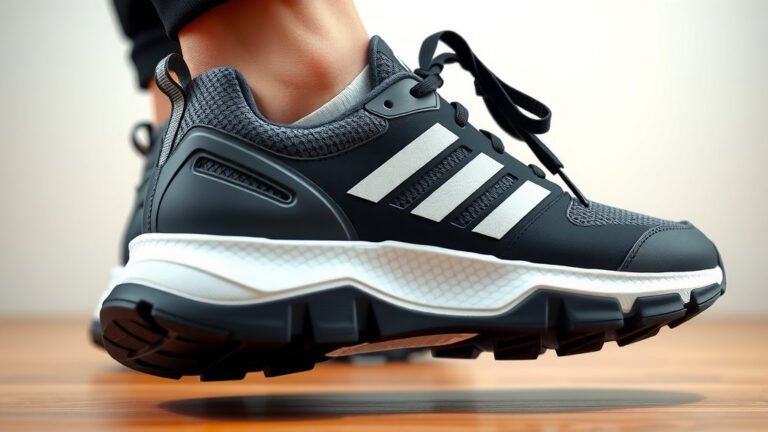
Carbon plate shoes are designed for speed. They have a stiff plate, usually made of carbon fiber, embedded in the midsole. This plate works with the foam to give you a propulsive feeling. Think of it like a spring in your step. When you push off, the plate helps to return energy. This can make your stride feel more efficient. Research suggests this design can help runners conserve energy, especially over longer distances. This is why you see them in many races.
The Plate Itself: Built to Last
The carbon plate is quite durable. It’s designed to maintain its stiffness and shape for a long time. You’re unlikely to “wear out” the plate itself in the way you would wear down rubber on a tire. It’s not the plate that usually gives up first. Its job is to provide a stable, energetic platform for your foot.
The Midsole Foam: Where the Magic Fades
The real hero, and often the first to show signs of wear, is the midsole foam. This is the soft, bouncy material that cushions your foot. Over time and with repeated compressions, the foam loses its ability to spring back. It gets compressed and compacted. This means less cushioning and less energy return. You might start to feel the ground more than usual. Many experts point to foam degradation as the primary reason for replacing running shoes (American College of Sports Medicine).
The Outsole: Your Shoe’s Bottom Line
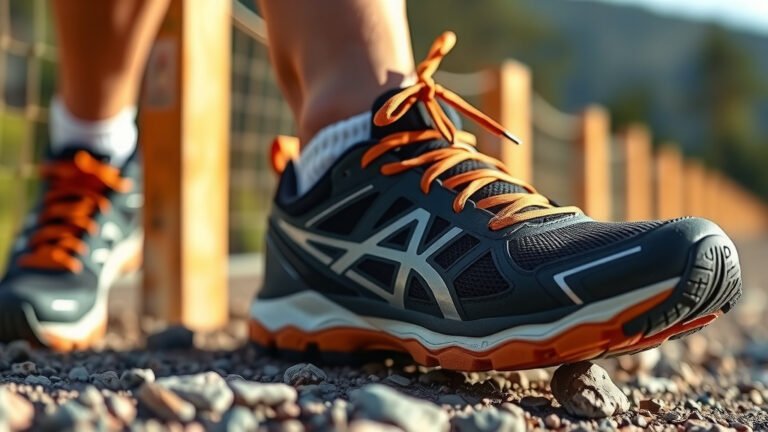
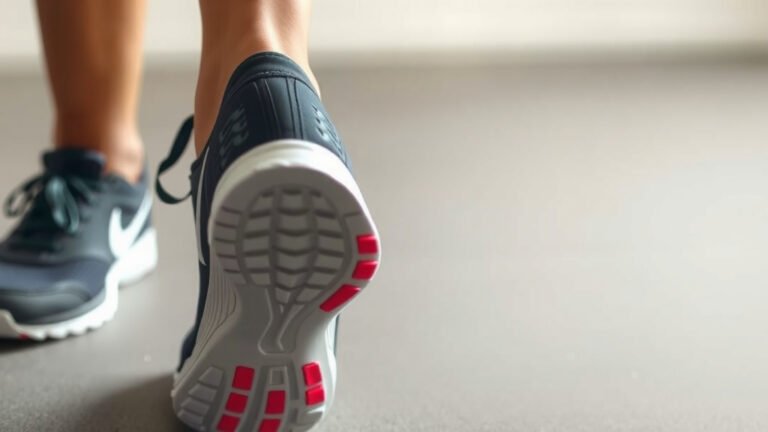
The outsole is the rubber layer on the very bottom of your shoe. Its job is to provide grip and durability. You’ll see wear patterns here. If the tread wears down too much, you could lose traction. This is especially noticeable on wet surfaces. Smooth, flat spots on the outsole are a clear sign of age. The rate of wear depends heavily on the rubber compound used and how much you run on abrasive surfaces like concrete.
Factors That Influence How Long Your Shoes Last
While the 300-500 mile range is a good guideline, your personal running habits play a big role. Not everyone’s shoe journey is the same. What affects how long your carbon plate shoes serve you well?
Your Running Style and Biomechanics
How you run matters! If you’re a heavy heel-striker, you’ll likely put more stress on the heel of the shoe. This can cause faster foam compression and outsole wear in that area. If you tend to overpronate (your foot rolls inward excessively), you might wear down one side of the shoe more than the other. We found that runners with a more neutral stride often get a bit more life out of their shoes.
Your Weight
Simply put, more weight means more impact on your shoes. If you’re a heavier runner, your shoes will compress more with each step. This can lead to faster breakdown of the midsole foam. While specific mileage can vary, heavier runners might find themselves replacing shoes closer to the lower end of the 300-mile range. It’s about the forces acting on the shoe.
Running Surface
Where you run makes a difference. Pounding the pavement on hard concrete is tougher on shoes than running on a soft track or a well-maintained trail. Rougher surfaces can also cause more abrasion to the outsole rubber. We found that runners who primarily use treadmills might see a slightly longer lifespan for their shoes.
Shoe Construction and Materials
Not all carbon plate shoes are created equal. The type of foam used, the thickness of the outsole rubber, and even the specific design of the carbon plate can affect durability. Some brands focus more on lightweight racing performance, which might mean using less durable foam or thinner outsoles. Others might balance speed with a bit more robustness.
When It’s Time to Say Goodbye to Your Carbon Plate Shoes
So, how do you know for sure? Beyond just hitting a mileage number, there are clear signs your shoes are past their prime. Paying attention to how your feet feel is key. We’ve put together a checklist:
- Reduced Cushioning: Do your runs feel harder? Can you feel more impact?
- Loss of Responsiveness: Does the “spring” feel gone? Do they feel flat?
- Visible Wear: Are the treads on the outsole worn smooth?
- Creasing in the Midsole: Deep creases or wrinkles in the foam can signal it’s compressed.
- Discomfort or New Aches: Are you starting to feel new pains in your feet, legs, or hips?
We recommend keeping a log of your runs, either in a notebook or an app. This helps you track mileage more accurately. For carbon plate shoes, which are often used for faster workouts and races, distinguishing between training shoe mileage and race mileage can be helpful for their overall performance life.
A Quick Comparison: Carbon Plate vs. Traditional Shoes
It’s helpful to compare. While the 300-500 mile range is common, how do carbon plate shoes stack up? We found that their lifespan is generally similar to other performance-oriented running shoes.
| Shoe Type | Typical Lifespan (Miles) | Primary Wear Factor |
|---|---|---|
| Carbon Plate Shoes | 300-500 | Midsole Foam Compression, Outsole Wear |
| Standard Performance Trainers | 300-500 | Midsole Foam Compression, Outsole Wear |
| Everyday Trainers | 400-600 | Midsole Foam Compression, Outsole Wear |
| Minimalist Shoes | 300-500 | Outsole Wear, Upper Material |
As you can see, the carbon plate technology itself doesn’t significantly shorten the shoe’s life. The limiting factors are typically the foam and outsole. For many, these shoes are a special tool for race day or key workouts, so they might not accumulate the same mileage as an everyday trainer.
Your Checklist for Shoe Longevity
Want to get the most out of your investment? Here’s a quick guide:
- Track your mileage diligently.
- Rotate between multiple pairs of shoes if possible.
- Avoid using them for non-running activities.
- Store them in a cool, dry place away from direct sun.
- Inspect them regularly for signs of wear.
- Listen to your body – if they feel off, they probably are.
Conclusion
Your carbon plate shoes are amazing tools for speed, but they don’t last forever. We found that you can expect them to perform at their best for about 300 to 500 miles. Remember, the foam midsole and outsole wear are the real indicators, not just the plate itself. By tracking your mileage and paying attention to how your shoes feel and look, you’ll know exactly when it’s time for a new pair. Protecting your feet means replacing them before they lose their magic. So, get out there, enjoy those fast miles, and keep an eye on that odometer!
Frequently Asked Questions
Can I use my carbon plate shoes for everyday training runs?
You can, but we recommend saving them for your speedier workouts and races. Using them for all your runs will cause them to wear out faster. Rotating them with a more durable trainer will help extend the life of your carbon plate shoes.
Will the carbon plate itself break or wear out?
The carbon plate is remarkably durable and designed to last the shoe’s entire lifespan. You are far more likely to experience wear in the midsole foam or the outsole rubber. The plate’s function is to provide stiffness and propulsion, which it maintains well over time.
How does my running weight affect shoe lifespan?
Heavier runners generally put more impact force on their shoes with each stride. This increased pressure can compress the midsole foam more quickly, potentially leading to a slightly shorter lifespan for your carbon plate shoes. You might find yourself replacing them closer to the 300-mile mark.
Are there specific signs to look for on the outsole?
Yes, absolutely. Look for the tread pattern wearing down significantly, especially in areas where you naturally land. If the rubber appears smooth or flat, especially on the heel or forefoot, it’s a sign of reduced grip and increased wear. This wear can impact traction and the shoe’s overall performance.
Should I keep a log of my carbon plate shoe mileage?
We highly recommend it. Since carbon plate shoes are often used for specific, faster runs, manually tracking your mileage is the most accurate way to know when they’re nearing the end of their useful life. This helps you plan replacements and ensures you’re getting the most performance from them.