Trail Running Shoes Explained: What They Are & Why You Need Them
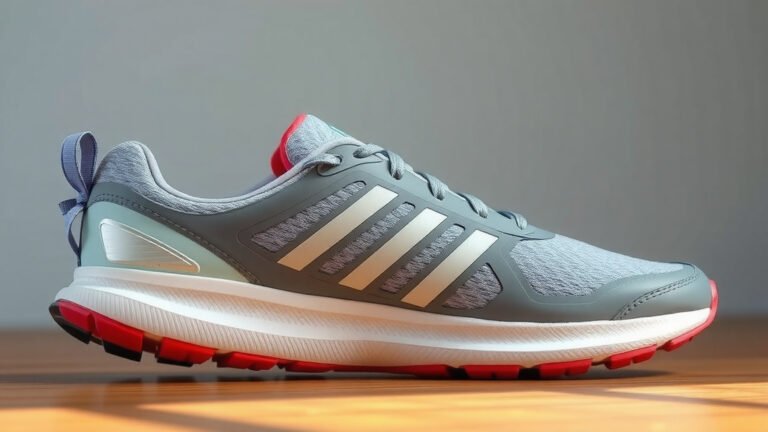
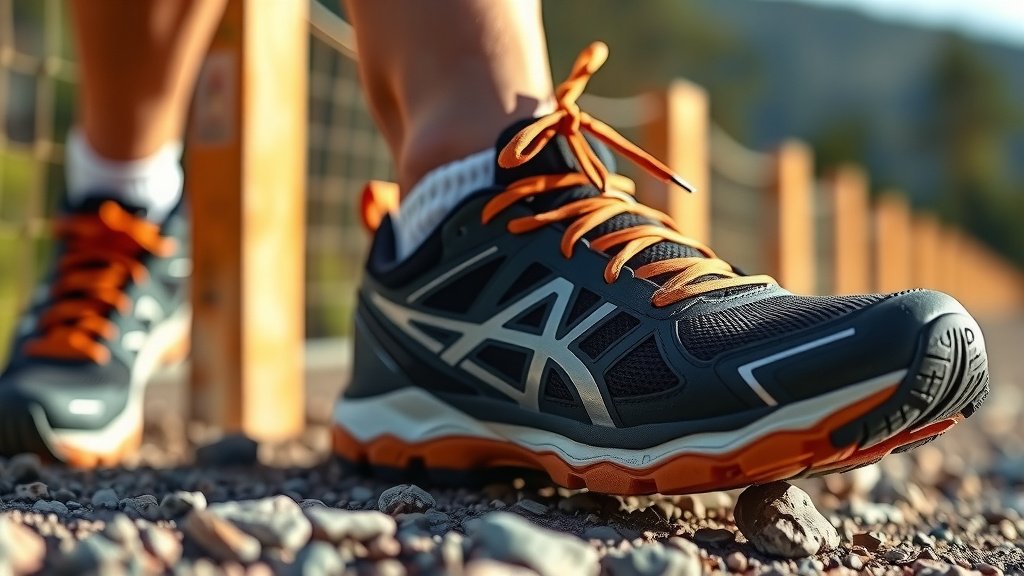
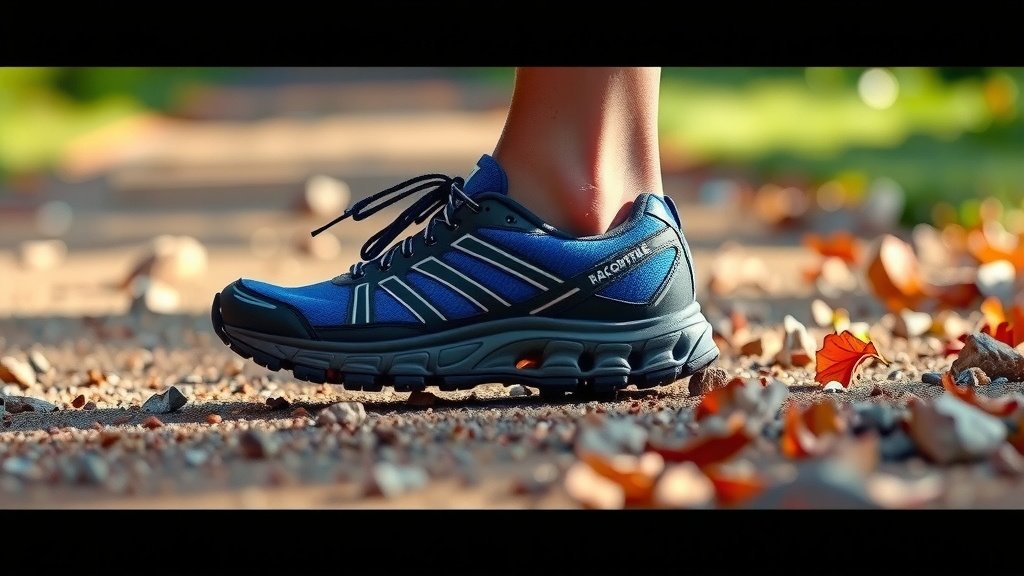
A trail running shoe is a specialized type of footwear designed for off-road running. They offer enhanced traction, protection, and support on uneven terrain. Think of them as your trusty sidekick for conquering dirt paths, rocky inclines, and muddy trails.
Unlike your typical road running shoes, trail shoes are built to withstand the elements. They often feature more aggressive outsoles for grip and reinforced uppers to shield your feet. This means you can focus on the run, not on what might be lurking underfoot.
- Trail running shoes are for off-road adventures.
- They have better grip and foot protection.
- Road shoes are not ideal for trails.
- Trail shoes make running on uneven ground safer.
Ready to hit the dirt? Let’s break down exactly what makes these shoes trail-ready and how they can improve your outdoor running experience.
Understanding Trail Running Shoes
Trail running shoes are specialized footwear built for running on natural, uneven surfaces. Think dirt paths, rocky trails, and muddy fields. They are designed to give you better grip, protection, and stability than your everyday road running shoes.
If you’re looking to take your runs off the pavement, understanding these shoes is your first step. We’ll break down what makes them different and why they’re so important for your safety and enjoyment on the trail.
Key Features That Set Trail Shoes Apart
Trail running shoes have several distinct features. These elements work together to handle the challenges of off-road running. They are engineered for durability and performance where regular shoes might fall short.
1. Superior Traction: Gripping the Unpredictable
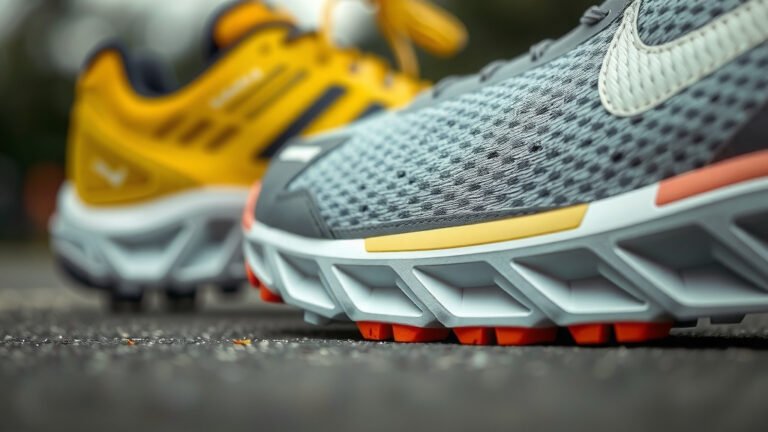
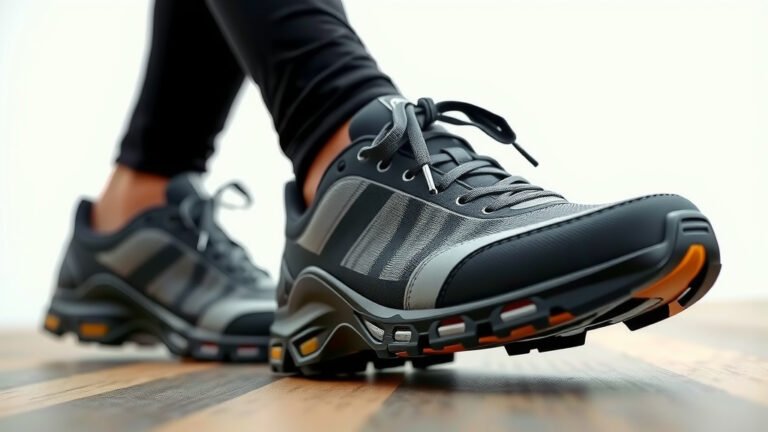
The most noticeable difference is the outsole. Trail shoe outsoles have deep, aggressive lugs. These are the knobby bits that dig into soft ground like mud or gravel. They provide excellent traction on slippery surfaces. This helps prevent slips and falls, which are common on trails.
Road running shoes have flatter, smoother soles. They are made for smooth asphalt. Their grip on loose dirt or wet rocks would be very poor. Many experts say good traction is the number one reason to choose trail shoes (World Athletics).
2. Enhanced Protection: Shielding Your Feet
Trails are full of hazards. You might encounter sharp rocks, roots, or other debris. Trail shoes offer more foot protection than road shoes. This is often achieved through reinforced toe caps and rock plates.
Toe Protection
A reinforced toe bumper guards your toes from stubbing. It’s like a sturdy shield against roots and rocks. This feature can save you from painful bumps and bruises during your run. It adds confidence when navigating technical terrain.
Rock Plates
Some trail shoes include a flexible rock plate in the midsole. This thin, tough layer acts as armor. It prevents sharp objects from poking through the sole and into your foot. It protects your feet from pointy rocks and roots without making the shoe too stiff. Many trail runners find this feature essential for comfort.
3. Durability: Built to Last on Rough Terrain
Trail running is tough on shoes. The constant impact with rocks and uneven ground can wear down materials quickly. Trail shoes use more robust materials in their construction. This makes them more resistant to tears and abrasions.
The upper mesh is often made from stronger, tightly woven fabrics. This helps prevent punctures from twigs and thorns. The overall construction is designed to withstand the abuse of outdoor trails. You can expect them to last longer under demanding conditions.
4. Stability and Support: Keeping You Balanced
Uneven surfaces constantly challenge your balance. Trail shoes offer improved stability features. This helps keep your feet secure and supported on varied terrain.
Midsole Support
While flexibility is important, many trail shoes offer a bit more structure in the midsole. This can help prevent your foot from rolling on uneven ground. It provides a stable platform for your stride. Some models have wider bases for added stability.
Heel Counter
A firm heel counter helps lock your heel in place. This reduces slippage inside the shoe. It contributes to a more secure and stable ride. A good fit here is vital for preventing blisters and improving control.
5. Water Resistance and Drainage: Handling the Elements
Trail conditions can be wet. You might run through puddles, streams, or rain. Trail shoes often have features to manage water. Trail conditions can be wet, and trail shoes often have features to manage water, as detailed in our rain running shoe guide.
Some shoes offer water-resistant uppers. This can keep your feet drier in light rain or shallow water. Others are designed with excellent drainage. This means water can escape quickly. This prevents your shoes from becoming heavy and waterlogged. Many sources suggest looking for quick-drying materials for wet conditions (The American College of Sports Medicine).
Trail vs. Road Running Shoes: What’s the Difference?
It’s important to know why you shouldn’t use road shoes on the trail. They are designed for very different purposes. Think of them like using a screwdriver as a hammer – it might work in a pinch, but it’s not ideal.
| Feature | Trail Running Shoes | Road Running Shoes |
|---|---|---|
| Outsole Tread | Deep, aggressive lugs for grip | Flatter, smoother for pavement |
| Upper Protection | Reinforced, durable materials, toe bumpers | Lighter, more breathable mesh |
| Cushioning | Varies, can be less plush for ground feel | Often softer and more cushioned |
| Stability | Enhanced for uneven surfaces | Designed for predictable surfaces |
| Weight | Often slightly heavier due to durability | Generally lighter |
Using road shoes on trails can lead to poor traction. This increases your risk of falling. The lack of protection can also result in foot injuries. Your shoes might get damaged quickly. It’s best to match your footwear to your running environment.
Choosing the Right Trail Running Shoe for You
Finding the perfect trail shoe involves a few considerations. What kind of trails will you be running? What are your personal preferences?
Consider Your Terrain
Are you running on smooth, packed dirt paths? Or are you tackling rocky, technical singletrack? For smoother trails, you might not need as much aggressive protection. For rougher terrain, prioritize durability and rock plate features.
Fit is Key
Just like with any running shoe, fit is paramount. You want a shoe that feels snug but not tight. There should be enough room in the toe box for your toes to splay. Make sure your heel doesn’t slip. Many running stores offer gait analysis and fitting advice.
Cushioning Level
Some trail shoes offer minimal cushioning for maximum ground feel. Others provide more plush cushioning for longer runs. Consider how much comfort and impact absorption you need for the distances you plan to run.
A quick checklist for your trail shoe search:
- Check the outsole lugs for aggressive grip.
- Look for reinforced toe protection.
- Consider if a rock plate is necessary.
- Ensure a secure heel fit with no slippage.
- Think about the level of cushioning you prefer.
- Make sure they feel comfortable on your feet.
Conclusion
You’ve learned that trail running shoes are purpose-built for off-road adventures. Their key features—superior traction, enhanced protection, and durable construction—make them essential for tackling uneven terrain safely. Unlike road shoes, they offer the grip and defense you need to conquer dirt paths and rocky trails with confidence. Now that you understand what makes them special, your next step is to find a pair that fits your feet and your favorite trails.
Frequently Asked Questions
Can I use my regular running shoes for trail running?
While you might be tempted, using regular road running shoes on trails is generally not recommended. They lack the aggressive tread for grip on loose surfaces and don’t offer the necessary protection from rocks and roots. This can lead to slips, falls, and potential foot injuries.
How do I know if I need a rock plate in my trail shoes?
A rock plate is beneficial if you frequently run on very rocky or root-filled trails. It acts like armor, protecting the bottom of your foot from sharp objects. If your trails are mostly smooth dirt, you might not need this feature and could prefer more ground feel.
Are trail running shoes heavier than road running shoes?
Trail running shoes are often slightly heavier than their road running counterparts. This extra weight comes from the more durable materials used in their construction and the added protective features like reinforced uppers and rock plates, which are necessary for off-road durability.
How much traction do trail shoes really need?
The amount of traction needed depends on the terrain. For muddy or very loose trails, you’ll want aggressive, deep lugs that can dig in. For drier, more packed dirt, less aggressive lugs might suffice. Most trail shoes offer significantly more traction than road shoes.
Do trail running shoes feel stiff compared to road shoes?
Some trail running shoes can feel a bit stiffer, especially those with rock plates or more robust support structures. This stiffness helps provide stability on uneven ground. However, many modern trail shoes balance protection with a good degree of flexibility for a comfortable ride.