
What is a Racing Flat and When Should You Use It
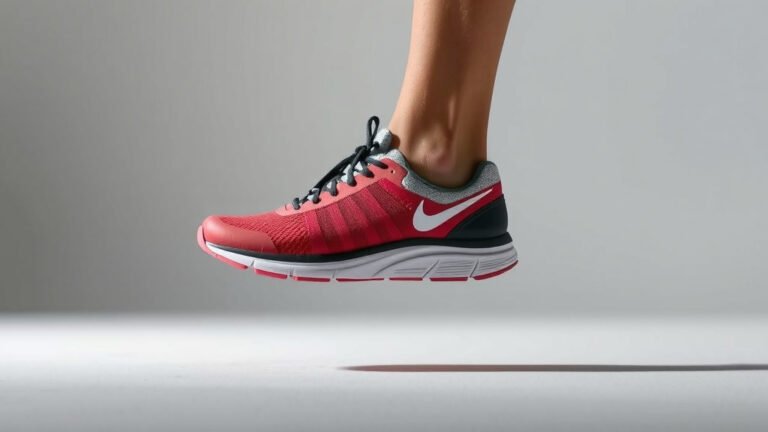
A racing flat is a type of running shoe designed for maximum speed and minimal weight. They are built with a thin, flexible sole and very little cushioning. This allows runners to feel the ground and maintain a quick stride. Racing flats are best suited for experienced runners on race day.
Think of them as the racing bikes of the running shoe world. Unlike your everyday trainers, which offer more support and cushioning, racing flats prioritize lightness and responsiveness. This minimalist design helps you shave seconds off your time. Many runners find them to be a fantastic tool for achieving personal bests.
- Racing flats are lightweight running shoes.
- They have minimal cushioning and a flexible sole.
- Their purpose is to maximize running speed.
- They are best for experienced runners on race day.
Ready to learn more about these speedy shoes? Let’s dive into what makes a racing flat unique and who they are best for.
What Exactly is a Racing Flat Running Shoe?
A racing flat is a type of running shoe designed for maximum speed and minimal weight. They are built with a thin, flexible sole and very little cushioning. This allows runners to feel the ground and maintain a quick stride. Racing flats are best suited for experienced runners on race day.
Think of them as the racing bikes of the running shoe world. Unlike your everyday trainers, which offer more support and cushioning, racing flats prioritize lightness and responsiveness. This minimalist design helps you shave seconds off your time. Many runners find them to be a fantastic tool for achieving personal bests.
- Racing flats are lightweight running shoes.
- They have minimal cushioning and a flexible sole.
- Their purpose is to maximize running speed.
- They are best for experienced runners on race day.
Ready to learn more about these speedy shoes? Let’s dive into what makes a racing flat unique and who they are best for.
The Core Design of a Racing Flat
The primary goal of a racing flat is simple: get you to the finish line as fast as possible. To achieve this, their construction is stripped down. You’ll notice they are incredibly lightweight. This is often the first thing runners comment on. Less weight means less energy expenditure with every step. Your legs feel fresher for longer.
Minimalist Cushioning Explained
You might be wondering, “Where’s the cushioning?” That’s the point. Racing flats have very little cushioning compared to standard running shoes. This isn’t because manufacturers are being stingy. It’s a deliberate design choice. Less foam means a lower profile shoe. You get a much better feel for the road or track beneath you. This ground feel helps you adjust your stride and stay efficient.
This reduced cushioning is why we often recommend them for more experienced runners. They typically have stronger legs and better running form. They can handle the impact without excessive strain. For newer runners or those with certain biomechanical needs, more cushioning might be preferable (Mayo Clinic).
Flexibility and Responsiveness
Another key feature is their flexibility. Racing flats bend easily. This allows your foot to move naturally through its stride cycle. Think about how your foot rolls from heel strike (or midfoot strike) to toe-off. A flexible shoe moves with you. This helps propel you forward efficiently. The materials used are often thin but durable. They aim to provide a snappy, responsive ride.
Who Benefits Most from Racing Flats?
These shoes are not for everyone, and that’s perfectly okay. They serve a very specific purpose. Understanding your running needs is key to choosing the right footwear.
The Experienced Runner’s Secret Weapon
Racing flats are generally best suited for experienced runners. This includes those who have been running consistently for a while. They usually have developed good running mechanics. Their bodies are accustomed to the demands of running. They know how to manage impact without heavy padding. For these runners, shaving off a few ounces can make a noticeable difference on race day.
Race Day Specialists
When do you see runners sporting these minimalist marvels? Most often, it’s on race day. Whether it’s a 5K, a half marathon, or a full marathon, runners seeking their fastest times often turn to flats. They might wear them for shorter, faster training sessions too. But their primary domain is competition. They are designed to help you perform at your peak.
The Importance of Proper Form
We’ve touched on this, but it bears repeating: good running form is crucial when using racing flats. If your stride is heavy or you tend to overpronate significantly, the lack of support and cushioning might lead to discomfort or injury. Many experts suggest that runners with a more neutral stride are ideal candidates (National Institutes of Health).

Racing Flats vs. Traditional Running Shoes
It’s helpful to see how racing flats stack up against the shoes you might wear for everyday training. This comparison can clarify why you’d choose one over the other.
| Feature | Racing Flat | Traditional Trainer |
|---|---|---|
| Weight | Very Lightweight | Moderate to Lightweight |
| Cushioning | Minimal | Moderate to High |
| Flexibility | High | Moderate |
| Support | Minimal | Moderate to High |
| Durability | Lower (designed for fewer miles) | Higher (designed for many miles) |
| Best Use | Races, Speed Work | Daily Training, Long Runs |
When to Reach for Your Trainers
Your everyday running trainers are built for durability and comfort. They offer more cushioning to absorb impact over long distances. They provide more support to help keep your foot stable. You can typically log hundreds of miles in a good pair of trainers. They are the workhorses of your running arsenal.
When to Lace Up the Flats
Racing flats, on the other hand, are your speed demons. They prioritize a quick turnover and a connected feel to the ground. Because they have less material, they generally don’t last as many miles as trainers. Most runners reserve them for races or a few key speed workouts per year. Think of them as your special occasion shoes.
Are Racing Flats Right for You? A Quick Checklist
Considering a pair of racing flats? Ask yourself these questions:
- Do you have a solid, efficient running form?
- Are you looking to improve your race times?
- Do you run regularly and have a good base level of fitness?
- Do you enjoy a more connected feel to the road?
- Are you preparing for a specific race event?
- Do you understand the difference between trainers and flats?
If you answered yes to most of these, racing flats might be a great addition to your running gear. It’s always wise to listen to your body and consider consulting with a running coach or physical therapist if you have concerns about your form or potential risks (American Physical Therapy Association).
Conclusion
You’ve learned that racing flats are specialized running shoes built for speed. Their lightweight design and minimal cushioning offer a connected feel to the ground. This helps experienced runners maximize their efficiency and performance on race day. While traditional trainers are great for daily miles, flats are your secret weapon for achieving personal bests. Ready to feel the difference? Consider trying a pair for your next big race to see if they can help you fly towards that finish line.
Frequently Asked Questions
Can beginners use racing flats?
Generally, racing flats are not recommended for beginner runners. They offer very little cushioning and support. This minimalist design requires a strong running form and well-conditioned legs to avoid injury. It’s best to build a solid running base in more supportive trainers first.
How do I know if I have good enough running form for flats?
You likely have good form if you run efficiently with minimal wasted motion and don’t experience pain after runs. Consider if your stride feels natural and your feet land relatively softly. If you’re unsure, ask an experienced running friend or coach to observe you during a run.
Will racing flats make me faster?
Racing flats can help you feel faster by reducing the weight on your feet and allowing for quicker turnover. They don’t magically add speed, but they can help you run more efficiently. Your improved race times will come from your training, with flats helping you realize your potential on race day.
How many miles can I expect from a pair of racing flats?
Due to their minimalist construction, racing flats don’t last as long as traditional trainers. You can typically expect around 100 to 300 miles from a pair. They are best reserved for races and a few key speed workouts to preserve their responsiveness.
What’s the difference between a racing flat and a lightweight trainer?
Lightweight trainers offer a balance of reduced weight and cushioning for daily runs. Racing flats go further, stripping away almost all cushioning for maximum lightness and ground feel. Think of lightweight trainers as versatile daily shoes and flats as dedicated race-day tools.