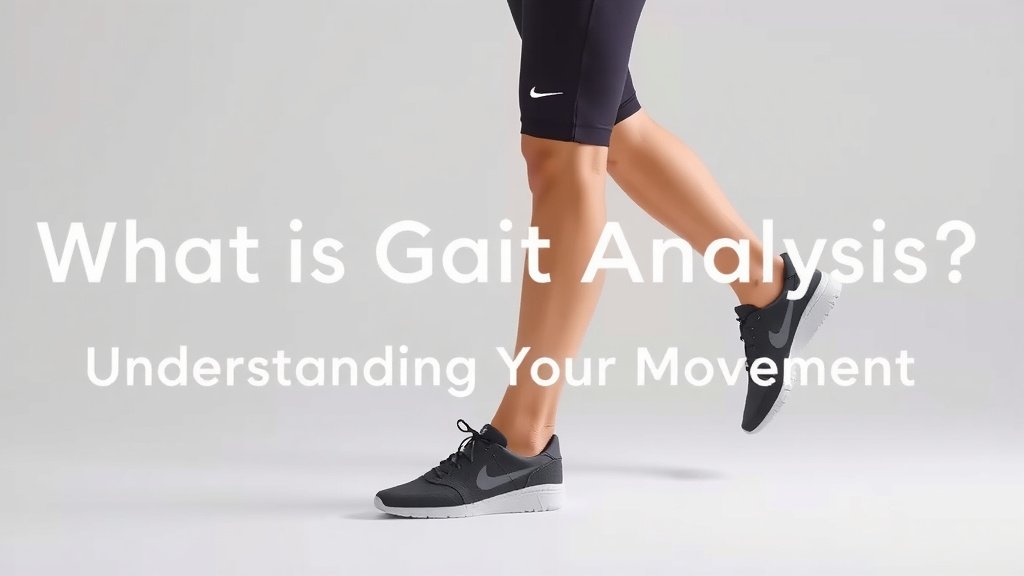
What is Gait Analysis: Understanding Your Movement
A gait analysis is a detailed study of how you walk or run. It involves observing and measuring your movements to understand the biomechanics of your stride. This analysis helps identify any abnormalities or inefficiencies in your walking pattern. It’s a tool used by athletes and medical professionals alike.
Think of it like a performance review for your legs. Experts observe everything from your foot strike to your posture. They look for patterns that might cause pain or limit your speed. It can be conducted using motion capture technology or even just keen observation.
- What gait analysis is: A study of your walking/running mechanics.
- What it measures: Foot strike, posture, limb movement, and more.
- Who uses it: Athletes, physical therapists, and doctors.
- Why it’s done: To find problems, improve performance, or prevent injury.
Let’s walk through exactly what a gait analysis entails and why it might be useful for you.
Understanding Your Walk: A Guide to Gait Analysis
So, what exactly is a gait analysis? Think of it as a detailed examination of how you move when you walk or run. It’s not just about speed; it’s about the whole picture of your stride. Experts look at every little detail of your movement. They want to understand the biomechanics of your walking pattern. This helps them spot any inefficiencies or problems you might not even know about.
It’s a tool that’s used by a wide range of people. Athletes use it to improve their performance. Physical therapists and doctors use it to help patients recover from injuries or manage chronic pain. You could say it’s like a performance review for your body, specifically focusing on how your legs and feet work together.
The Core Components of a Gait Analysis
During a gait analysis, professionals observe many different things. They don’t just watch you walk across a room. They often use special equipment to get a precise understanding. We’ll break down some of the key things they look at to give you a clearer picture.
Observing the Foot and Ankle
Your feet and ankles are the foundation of your walk. A gait analysis closely examines them. They look at how your foot strikes the ground. This could be a heel strike, midfoot strike, or forefoot strike. Each has its own implications for your joints. They also watch for how your arch behaves. Does it collapse too much (overpronation)? Or does it stay too rigid (supination)? These details can affect your knees and hips.
Examining Leg and Hip Movement
It’s not just about your feet. Your legs and hips play a huge role too. Experts measure how your knees and hips bend and straighten during each step. They check if your legs are moving in a straight line. Sometimes, knees can buckle inward. Or hips might drop too low on one side. These movements can be signs of muscle imbalances or weakness. It’s all about seeing if your limbs are working in harmony.
Posture and Body Alignment
Your posture is another critical element. How you hold your head, shoulders, and torso affects your entire stride. A gait analysis will note if you tend to lean forward or backward. It also checks for any imbalances in your upper body. Even small shifts in your posture can create bigger problems down the line. They’re looking for a well-aligned, efficient posture.
The Role of Arm Swing
Did you know your arm swing matters? It’s not just for balance. A proper arm swing helps propel you forward and maintain an efficient rhythm. The analysis might check if your arms are swinging symmetrically. Or if they are crossing your body. Inefficient arm swing can mean your body is working harder than it needs to.
How is a Gait Analysis Performed?
There are several ways to conduct a gait analysis, from simple observation to advanced technology. The goal is always the same: to gather data about your movement.
Visual Observation
Sometimes, a skilled professional can learn a lot just by watching you. They might ask you to walk or run on a treadmill. Or perhaps across a room. They’ll pay close attention to the details we just discussed. This method is quick and accessible. However, it relies heavily on the observer’s experience and keen eye.
Motion Capture Technology
For more detailed analysis, technology is often used. Small sensors or markers are placed on your body. Cameras then track these markers. This creates a 3D model of your movement. It allows for incredibly precise measurements of angles, speeds, and forces. This is common in sports science and advanced rehabilitation settings. It gives a very objective view of your gait.
Force Plates and Pressure Sensors
Some analyses also use force plates. These are special mats that measure the forces your feet exert on the ground. Pressure sensors can map out the distribution of pressure across your foot. This information is vital for understanding foot mechanics and impact. It can reveal issues with how you land and push off.
Video Analysis
Video recording is another popular method. You might be filmed from the front, side, and back while walking or running. The video can then be slowed down or paused. This allows the analyst to review specific moments in your stride in detail. It’s a great way to catch subtle issues that might be missed with the naked eye.
Why Would You Need a Gait Analysis?
You might be wondering if a gait analysis is right for you. The reasons can be quite varied. It’s not just for elite athletes!
Preventing and Managing Injuries
This is a big one. A gait analysis can identify biomechanical issues that might lead to injuries. Things like shin splints, plantar fasciitis, or knee pain can often be linked to how you walk or run. By correcting these underlying problems, you can reduce your risk of injury. Or, if you’re already injured, it can help pinpoint the cause for better treatment. Many sports medicine professionals see this as a key preventative measure (American Academy of Orthopaedic Surgeons).
Improving Athletic Performance
For athletes, even small inefficiencies can make a big difference. A gait analysis can help you run or move more efficiently. This means you can use less energy to achieve the same speed. Or you might be able to run faster with the same effort. Optimizing your form can lead to better race times or improved endurance. We found that even minor adjustments can yield noticeable results.
Evaluating Pain and Discomfort
If you experience chronic pain in your feet, ankles, knees, hips, or back, your gait could be a contributing factor. A gait analysis can help your doctor or physical therapist understand how your movement patterns might be causing or worsening your pain. This allows for more targeted and effective treatment plans. You might discover that a slight change in how you walk could significantly reduce your discomfort.
Choosing the Right Footwear
Your gait can also influence the type of shoes that are best for you. For instance, someone who overpronates might need shoes with more support. Someone who supinates might benefit from shoes with extra cushioning. A gait analysis can help guide you toward footwear that supports your natural foot mechanics and reduces stress on your joints. Getting the right shoes can feel like walking on clouds!
Rehabilitation After Injury or Surgery
After an injury or surgery, your body may have changed. You might be favoring one side or compensating for weakness. A gait analysis can help track your recovery progress. It can show if you’re returning to a normal walking pattern. It also helps therapists adjust your rehabilitation exercises as needed.
Here’s a quick checklist to see if a gait analysis might be beneficial for you:
- Do you frequently experience pain when walking or running?
- Have you had recurring injuries like shin splints or knee pain?
- Are you training for a race or athletic event and want to improve performance?
- Are you unsure about what type of athletic shoes are best for your feet?
- Has a doctor or physical therapist recommended it for a specific condition?
Conclusion
We’ve walked through what a gait analysis is: a detailed look at how you move. You learned about the key components, from your foot strike to your arm swing. We also covered how technology like motion capture can provide precise data. Remember, whether you’re an athlete aiming for peak performance or just experiencing discomfort, understanding your gait can be truly helpful. If you think your walking pattern might be contributing to pain or limiting you, consider scheduling a gait analysis. It’s your first step toward moving better and feeling better.
Frequently Asked Questions
How long does a gait analysis typically take?
The duration can vary depending on the method used and the setting. A basic visual assessment might take about 15-30 minutes. More advanced analyses with motion capture or force plates could range from 45 minutes to an hour or more. Your provider can give you a more precise estimate.
Can gait analysis help with everyday walking, not just running?
Absolutely! While often associated with runners, gait analysis is highly beneficial for understanding everyday walking patterns. It can identify inefficiencies or issues that may lead to discomfort or fatigue during normal daily activities. Correcting these can improve overall comfort and mobility.
What should I wear to a gait analysis appointment?
It’s best to wear comfortable clothing that allows for free movement. Think athletic shorts or leggings and a t-shirt. You’ll likely be asked to walk or run, so wear comfortable shoes as well. Avoid wearing anything restrictive that might hinder observation.
Will a gait analysis hurt?
No, a gait analysis is a non-invasive procedure and should not cause any pain. You will simply be asked to walk or run, sometimes on a treadmill or a designated path. If sensors are applied, they are typically small and unobtrusive. The goal is to observe your natural movement.
How do I find someone to perform a gait analysis?
You can often find gait analysis services through physical therapy clinics, sports medicine centers, and some specialty running stores. Your doctor or a physical therapist can also recommend a qualified professional in your area. Look for clinics that mention biomechanics or gait assessment services.