Understanding the Neutral Gait: A Comprehensive Guide
A neutral gait is a way of walking where your body moves in a balanced and controlled manner. It means your legs and feet move smoothly without excessive side-to-side motion. This type of gait is often considered the ideal for efficient and injury-free movement. Maintaining a neutral gait helps distribute your body weight evenly with each step.
Think of it like this: your hips stay relatively still, and your arms swing gently. Your feet land in a way that supports your body’s natural alignment. Many experts say that a neutral gait reduces stress on your joints. It’s all about a smooth, forward momentum.
- Neutral gait means balanced, controlled walking.
- It focuses on smooth, side-to-side stillness.
- Efficient movement reduces joint stress.
- It’s about even weight distribution.
- Your body moves forward without extra wobble.
We’ve gathered the key details about what makes a gait neutral and why it matters for your body. Let’s break it down.
Understanding Balanced Walking: The Neutral Gait Explained
A neutral gait is essentially your body’s natural, efficient way of moving. It’s when your stride is balanced and controlled. Your body moves forward smoothly. There’s minimal wasted energy or awkwardness. Many experts see it as the ideal pattern for walking. It helps keep your body aligned as you move.
Think of your body as a well-oiled machine. A neutral gait is when all the parts work together perfectly. Your legs and feet function like pistons. They move straight and true with each step. This efficiency helps prevent injuries. It’s all about making your walk as smooth as possible.
What Does a Neutral Gait Look Like in Action?
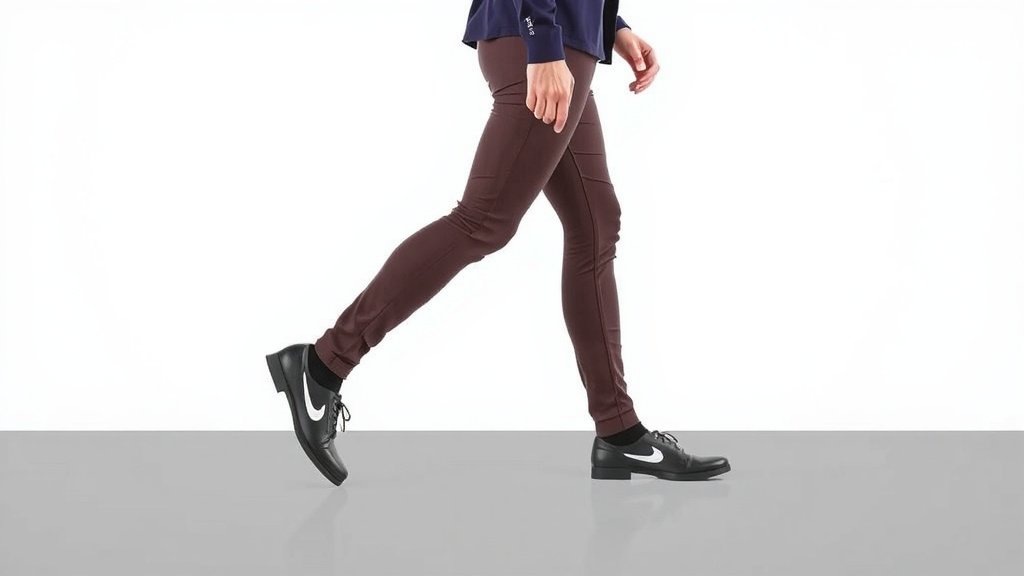
When you walk with a neutral gait, your body movements are quite specific. They create a visually balanced and stable stride. It’s not about being rigid; it’s about being controlled.
The Hip and Torso Stability
Your hips and torso should remain relatively stable. They shouldn’t wobble too much side to side. Imagine a string pulling you straight forward. This stability ensures your power goes into forward motion. It prevents energy loss. Many physical therapists highlight this stillness (American Physical Therapy Association). It’s a key indicator of a healthy gait.
Arm Swing Dynamics
Your arms will swing naturally. They should move opposite to your legs. This arm swing helps counterbalance your leg movement. It keeps your body balanced. The swing should be relaxed, not forced. It’s a gentle pendulum motion. This makes your walking more efficient.
Foot Placement and Roll-Through
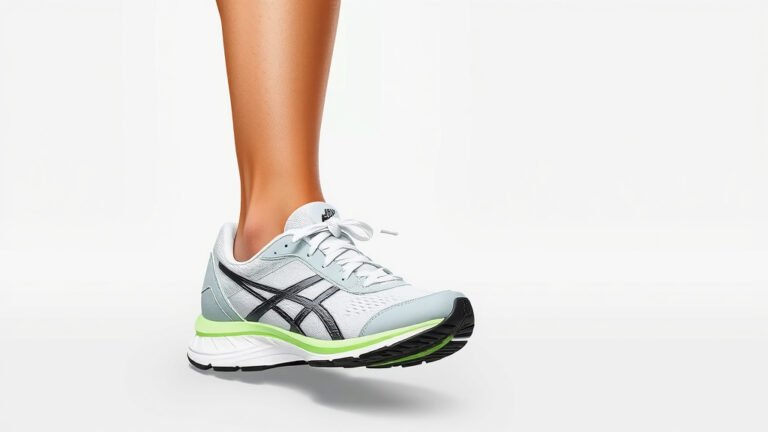
How your foot hits the ground is important. In a neutral gait, your foot typically lands on the heel. Then it rolls smoothly through the arch. It pushes off from the ball of the foot. This is often called the “ideal pronation.” Your foot slightly rolls inward. This helps absorb shock. It then rolls back to neutral. This motion is controlled and gradual.
The Supination Factor
Excessive outward rolling is called supination. This can be a sign of a gait issue. Your foot may not absorb shock well. This puts extra stress on your body. A neutral gait avoids this extreme. It’s a balanced inward-outward roll.
The Pronation Process
Pronation is the inward roll. A slight pronation is good. It distributes impact forces. Too much pronation can cause problems. A neutral gait has just the right amount. It’s natural shock absorption.
Why Is a Neutral Gait So Important?
Achieving a neutral gait isn’t just about looking graceful. It has real benefits for your physical health. It affects how your body handles the stress of walking.
Reducing Joint Stress and Strain
When your gait is neutral, your joints work optimally. They absorb shock evenly. This means less impact on your knees, hips, and ankles. Think of it like driving a car with properly inflated tires. Everything runs smoother. Research suggests good gait mechanics can prevent chronic pain (National Institutes of Health). You’re giving your joints a better experience.
Enhancing Walking Efficiency
A neutral gait conserves energy. Your body doesn’t have to work harder. It moves forward with less effort. This makes long walks or runs feel easier. You’re using your muscles more effectively. This efficiency is key for endurance. It’s like having a fuel-efficient car.
Preventing Common Foot and Leg Issues
Many common problems stem from poor gait. Issues like shin splints, plantar fasciitis, and knee pain can occur. These often happen when your foot doesn’t move correctly. A neutral gait helps keep your foot aligned. This alignment reduces the risk of these painful conditions. It’s a form of preventative care.
Identifying Your Gait Type
It’s helpful to know if you have a neutral gait. You can often tell by looking at your feet. Or you can observe your walking pattern.
The Wet Footprint Test
This is a simple home test. Wet your feet thoroughly. Step onto a piece of dark paper or cardboard. Step off and look at the imprint. A neutral gait often leaves a footprint with a visible curve. The arch is present but not overly high or flat. You can see a clear heel and forefoot connection. It’s a quick visual clue.
Observing Your Shoes
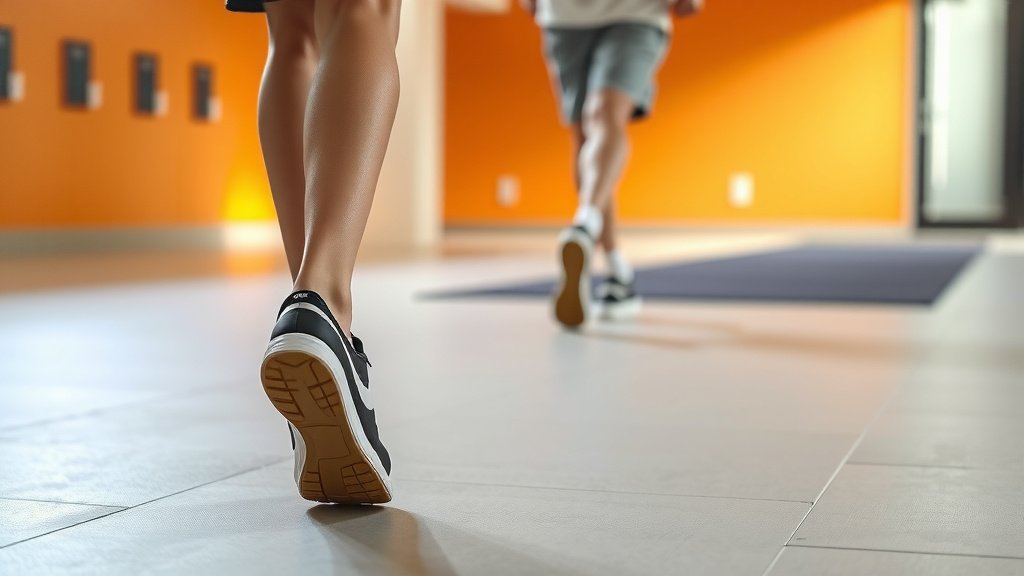
The wear pattern on your old shoes can tell a story. Look at the soles. Even wear across the heel and ball of the foot is common. You might see slight wear on the outside edge of the heel. You’ll also see wear on the ball of the foot. This suggests a neutral foot strike. Excessive wear on one side indicates a different gait. It’s like your shoes are giving you feedback.
| Gait Type | Typical Shoe Wear Pattern |
|---|---|
| Neutral | Even wear across heel and ball of foot; slight outer heel wear. |
| Overpronation | Excessive wear on the inside edge of the heel and ball of the foot. |
| Supination (Underpronation) | Excessive wear on the outside edge of the heel and ball of the foot. |
Professional Assessment
For a definitive answer, see a professional. A podiatrist or physical therapist can analyze your gait. They might watch you walk or run on a treadmill. They can pinpoint any imbalances. This professional advice is highly accurate.
Tips for Promoting a Neutral Gait
If you suspect your gait isn’t neutral, don’t worry. You can make positive changes. Many simple steps can help improve your walking pattern.
- Wear supportive footwear.
- Incorporate stretching exercises.
- Strengthen your core and leg muscles.
- Be mindful of your posture while walking.
- Consider gait analysis for personalized advice.
Conclusion
Understanding your gait is key to comfortable movement. A neutral gait offers balanced, efficient walking. It reduces stress on your joints. It helps prevent common foot and leg issues. By observing your shoe wear or trying the wet footprint test, you can get an idea of your pattern. If you’re concerned, a professional analysis provides clarity. Taking small steps to improve your walking can make a big difference.
Start by paying attention to how you walk each day. Your body will thank you for it. Consider trying one of the tips provided to improve your stride. Your journey to a healthier gait begins with awareness.
Frequently Asked Questions
What if my wet footprint test shows a very flat arch?
A flat arch imprint, often seen with overpronation, means your foot might roll inward excessively. This can put extra strain on your joints. It’s a good idea to look at your shoe wear patterns for more clues. Consulting a podiatrist or physical therapist can offer personalized advice and solutions.
Can wearing the wrong shoes really affect my gait?
Absolutely. Supportive footwear is essential for maintaining a neutral gait. Shoes that don’t offer proper cushioning or arch support can force your feet into awkward positions. This can disrupt your natural walking pattern and lead to discomfort or injury over time. Always choose shoes that feel comfortable and stable.
How long does it take to see improvement in my gait?
Improving your gait is a gradual process. You might notice small changes relatively quickly, especially with consistent effort. However, significant improvements and the full benefits, like reduced pain, can take weeks or months. Be patient and persistent with any exercises or footwear changes you make.
Is it possible to have a neutral gait when running but not when walking?
Yes, it’s quite possible. Running and walking engage your body’s mechanics differently. Your foot strike and weight distribution can change between the two activities. If you suspect this is the case, a professional gait analysis can identify the specific patterns for both walking and running.
Can poor posture contribute to a non-neutral gait?
Yes, poor posture can definitely influence your gait. When your body alignment is off, it affects how you distribute your weight and how your limbs move. Slouching or forward head posture can alter your natural stride. Focusing on improving your posture while standing and walking can help promote a more neutral gait.